Fruit flies remember their larval diet, which influences their longevity
Eating less protein as larvae may limit their ability to produce proteins as adults.
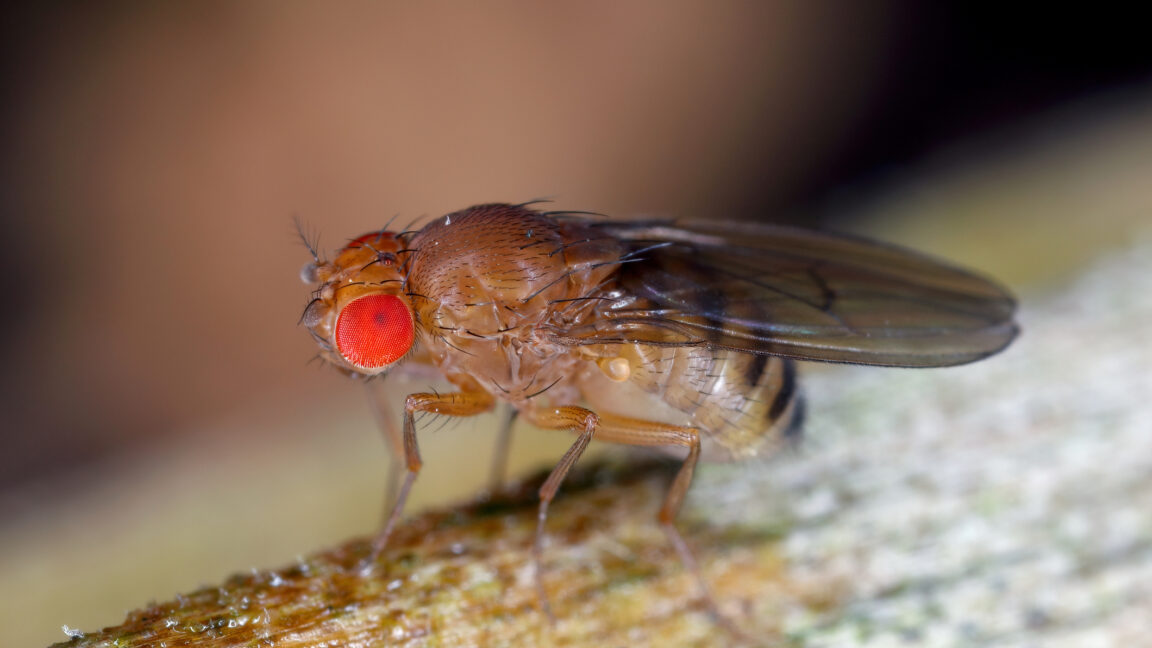
In the 1930s, researchers observed that water fleas and rats raised on limited diets during their early stages exhibited extended lifespans. This phenomenon has since been replicated in fruit flies and mice, but the mechanism behind this phenomenon remained unknown. A recent study published in Nature, led by Fumiaki Obata from the RIKEN Center for Biosystems Dynamics Research in Kobe, Japan, might have uncovered the answer.
The research team discovered a protein that retains information from a fruit fly's larval diet, which then impacts their longevity as adults.
The experiment involved feeding lab fruit flies a yeast and sugar mixture, with yeast serving as the primary protein source. The scientists reduced the yeast concentration in the diet, from 8% to either 1% or 2%, introducing this low-protein diet halfway through the larval period. After emerging as adults, the flies were returned to their standard food.
Written by urgent.news from Ars Technica's reporting — not their text. Machine-written — may contain errors; check the original before relying on it.