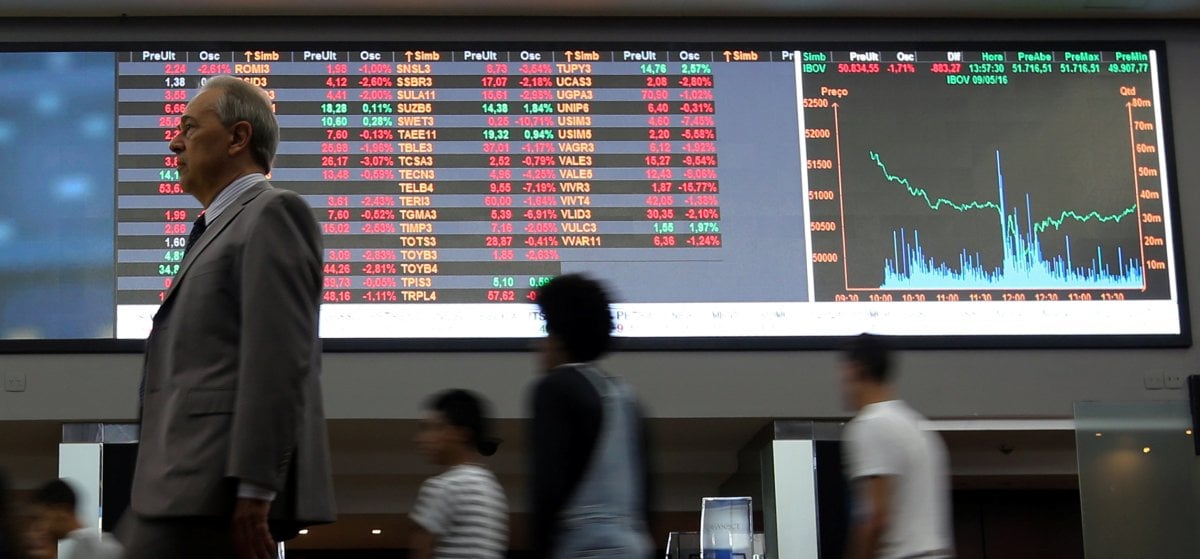
Dual chokepoint: Oil surges as Trump rejects Iran deal, Murban jumps 3%
Oil prices climbed on Tuesday (Sept. 29, 2026) as President Donald Trump’s rejection of an Iranian proposal to reopen the Strait of Hormuz kept supply risks elevated, with Brent up 1.4% near $106.80 and U.S. WTI gaining 1% around $93.50 as of morning Asian trade (10.19am, Beijing time). Abu Dhabi’s Murban crude led gains, rising 3.4% to $116.90, reflecting tighter Gulf supplies and higher freight…
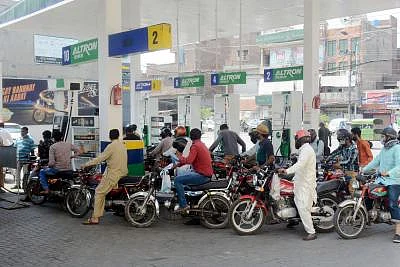
On Tuesday, September 29, 2026, oil prices surged as President Donald Trump declined an Iranian proposal to reopen the Strait of Hormuz, keeping supply risks high. Brent crude rose 1.4% to near $106.80, while U.S. WTI increased 1% to around $93.50 in early Asian trade. The Murban crude, from Abu Dhabi, led the gains, jumping 3.4% to $116.90, reflecting tighter Gulf supplies and higher freight costs due to shipping disruptions and a Saudi pipeline outage.
Natural gas prices also ticked up 0.9% to $3.13 as traders balanced Middle East tensions with seasonal demand. The Strait of Hormuz remains effectively closed after President Trump rejected Iran's plan to reopen it within seven days. Shipments are running 75-90% below normal due to the closure, forcing most tankers to idle, take longer routes, or use limited authorized corridors.
Iran's Gulf Strait Authority has warned ships against unauthorized routes, threatening consequences. The Red Sea and Bab al-Mandab Strait are also under pressure from Houthi attacks, which have reduced weekly transits to about 25 vessels. Analysts warn that sustained Houthi pressure could force more carriers to reroute around the Cape of Good Hope, causing higher freight and insurance costs.
The disruptions in the Gulf have tightened global oil supplies, driven benchmark prices above $100 a barrel, and increased the risk of inflationary pressure on fuel and goods dependent on Middle East shipping lanes. Until a deal to reopen the Strait of Hormuz or ensure safe passage through Bab al-Mandab is reached, ships are likely to avoid risky corridors, leading to sustained higher costs and delays for energy and cargo flows between Asia, Europe, and the Americas.
Written by urgent.news from Gulf News's reporting — not their text. Machine-written — may contain errors; check the original before relying on it.
This story
This is one outlet's version. Read the fullest account.
- Republican candidates press Trump to end Iran war thearabianpost.com
- Trump says war on Iran prevented Israel from being 'wiped out' middleeasteye.net
- Trump rejects Iran truce as US presses Lebanon on Hezbollah funding, Saudi-US stress Hormuz security gulfnews.com
- Trump denies offering Iran sanctions relief, Tehran says ready for talks al-monitor.com
- Iran says it expects US response Tuesday on plan to reopen Strait of Hormuz france24.com
- US-Iran war: Trump rejects report that US will offer Tehran ‘sanctions relief’; Araghchi meets mediators | Top Updates livemint.com
- Will the Strait of Hormuz reopen? Iran awaits US answer on Tuesday iol.co.za
- Iran expects US response today on Hormuz reopening proposal english.ajel.sa