Trump says war on Iran prevented Israel from being 'wiped out'
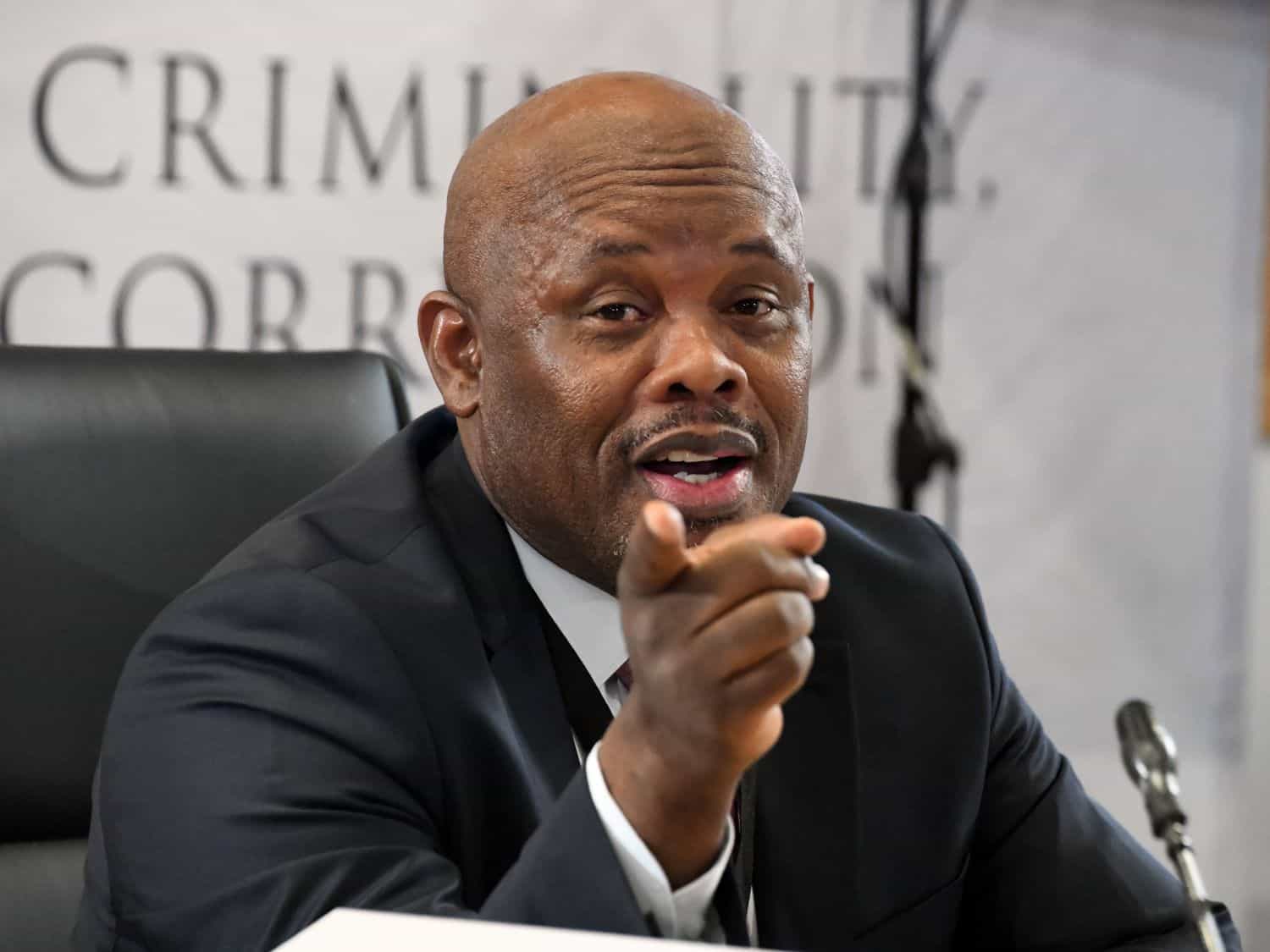
Trump says war on Iran prevented Israel from being 'wiped out' US President Donald Trump on Monday defended the war on Iran, claiming it stopped Iran from acquiring nuclear weapons and also prevented Israel from being "wiped out". “I went to war to stop the, one of, it could be one of the worst things that could ever happen to the world, to us, but to the world. Israel would be wiped out right…
Republican hopefuls in several tight US contests are pressing President Donald Trump to terminate the conflict with Iran expeditiously, exacerbating a party rift as high fuel costs and voter discontent spur calls for reform ahead of the November midterms. This pivot is most apparent among Republicans who earlier backed Trump's military campaign or opposed legislative efforts to curb it.
Michigan Senate candidate Mike Rogers and Iowa House candidate Ashley Hinson have demanded the conflict conclude swiftly, citing the financial hardship endured by families, farmers and enterprises. Their altered stance coincides with Trump's ongoing defense of the campaign while simultaneously asserting diplomatic channels might yield an agreement.
Addressing the White House on Monday, Trump asserted the US would "very soon" triumph in the war and forecasted a substantial drop in gasoline prices once hostilities ceased. US and Iranian representatives have independently engaged mediators to explore terms for halting hostilities. The political pressure has also infiltrated Congress.
Last week, the Senate voted 49-50 against a war powers resolution intended to limit Trump's military actions against Iran, with four Republicans - Susan Collins of Maine, Rand Paul of Kentucky, Thom Tillis of North Carolina and Lisa Murkowski of Alaska - joining Democrats in support, while Democrat John Fetterman opposed it. Previously, the House approved a comparable measure by 220-204 votes, with seven Republicans siding with Democrats.
Notably, Iowa Representatives Zach Nunn and Mariannette Miller-Meeks, who previously opposed attempts to constrain Trump's authority, joined the Democratic side. Nunn contended that sustained combat operations necessitated congressional authorization and pledged not to support another open-ended war. Miller-Meeks declared she would not vote to keep American troops in an open-ended conflict while Iowans faced escalating fuel expenses.
These votes marked the most significant Republican defection in the House over the war and highlighted the pressure on incumbents in competitive districts. Hinson has also endorsed initiatives to lower fuel costs, such as suspending federal gasoline taxes and restricting diesel exports. Trump subsequently indicated support for limiting diesel exports, although administration officials and energy sector groups cautioned that such restrictions could disrupt refinery economics and trigger undesired price hikes in certain regions.
Fuel prices have emerged as a pivotal political issue due to the Iran conflict's disruption of energy markets and shipping lanes. Diesel costs have surged notably, permeating freight, farming and food expenditures. The inflation and household affordability concerns have intensified, prompting candidates in agricultural and manufacturing states to emphasize economic ramifications over the administration's strategic rationale for the war.
Trump has contended that military action was imperative to prevent Iran from acquiring a nuclear weapon and has persistently maintained that Tehran can be compelled to an acceptable settlement. At the United Nations General Assembly last week, he delivered a stern warning to Iran while asserting that US pressure would ultimately prevail.
Republicans advocating for a faster end have largely refrained from disavowing Trump's initial decision to employ force. Rogers, who once supported the administration's stance, stated the war must conclude immediately, whereas Hinson framed her position around achieving a successful outcome and alleviating costs for Americans. Democratic opponents have accused them of altering their positions due to electoral pressure.
The dispute has intensified as polling indicates widespread public unease over the conflict and Trump's management of it. Republican backing for his approach has also waned from earlier stages of the war, adding to concerns within the party as candidates campaign on economic matters directly impacted by energy prices.
Written by urgent.news from Arabian Post's reporting — not their text. Machine-written — may contain errors; check the original before relying on it.
This story
This is one outlet's version. Read the fullest account.
- Republican candidates press Trump to end Iran war thearabianpost.com
- Trump rejects Iran truce as US presses Lebanon on Hezbollah funding, Saudi-US stress Hormuz security gulfnews.com
- Trump denies offering Iran sanctions relief, Tehran says ready for talks al-monitor.com
- Iran says it expects US response Tuesday on plan to reopen Strait of Hormuz france24.com
- US-Iran war: Trump rejects report that US will offer Tehran ‘sanctions relief’; Araghchi meets mediators | Top Updates livemint.com
- Will the Strait of Hormuz reopen? Iran awaits US answer on Tuesday iol.co.za
- Iran expects US response today on Hormuz reopening proposal english.ajel.sa
- Trump rejects report of Iran sanctions relief, frozen funds offer malaymail.com