Condenan a Telefónica por plagiar un software educativo en La Rioja
Un tribunal de Logroño concluye que la compañía usó sin permiso una solución de Grupo Pancorbo
The Tribunal of Instance in Logroño has sentenced Telefónica Soluciones de Informática y Comunicaciones to plagiar the educational software of local firm Sistemas de Oficina de Rioja (Pancorbo) by improperly using their educational software in a public contract. In the ruling, the judge fully accepts the complaint filed by Sistemas de Oficina de Rioja and its general director, Jose Luis Pancorbo.
The sentence declares that the multinational violated the intellectual property rights of the Rioja company over Virtuali, a technological solution for desktop virtualization designed for the school environment and implemented in public centers within the Neotec government competition in La Rioja. The court accepted that Telefónica approached Grupo Pancorbo as an essential collaborator for the bidding process of the project.
The judicial text notes that the technical documentation provided by the Rioja firm was included "almost literally and entirely" in Telefónica's batch V of the offer, a section without which the operator would not have been able to comply with the autonomous administration's demands. The resolution states that the transfer of the technical material was conditional on Telefónica subcontracting Grupo Pancorbo in case of being awarded the contract.
Upon Telefónica's breach of this commitment and subsequently requesting the exclusion of the tool for the company's own use without the creator's consent, the sentence concludes that consent for use was forfeited. The judge determined the existence of plagiarism and improper use of protected work under Article 139 of the Intellectual Property Law.
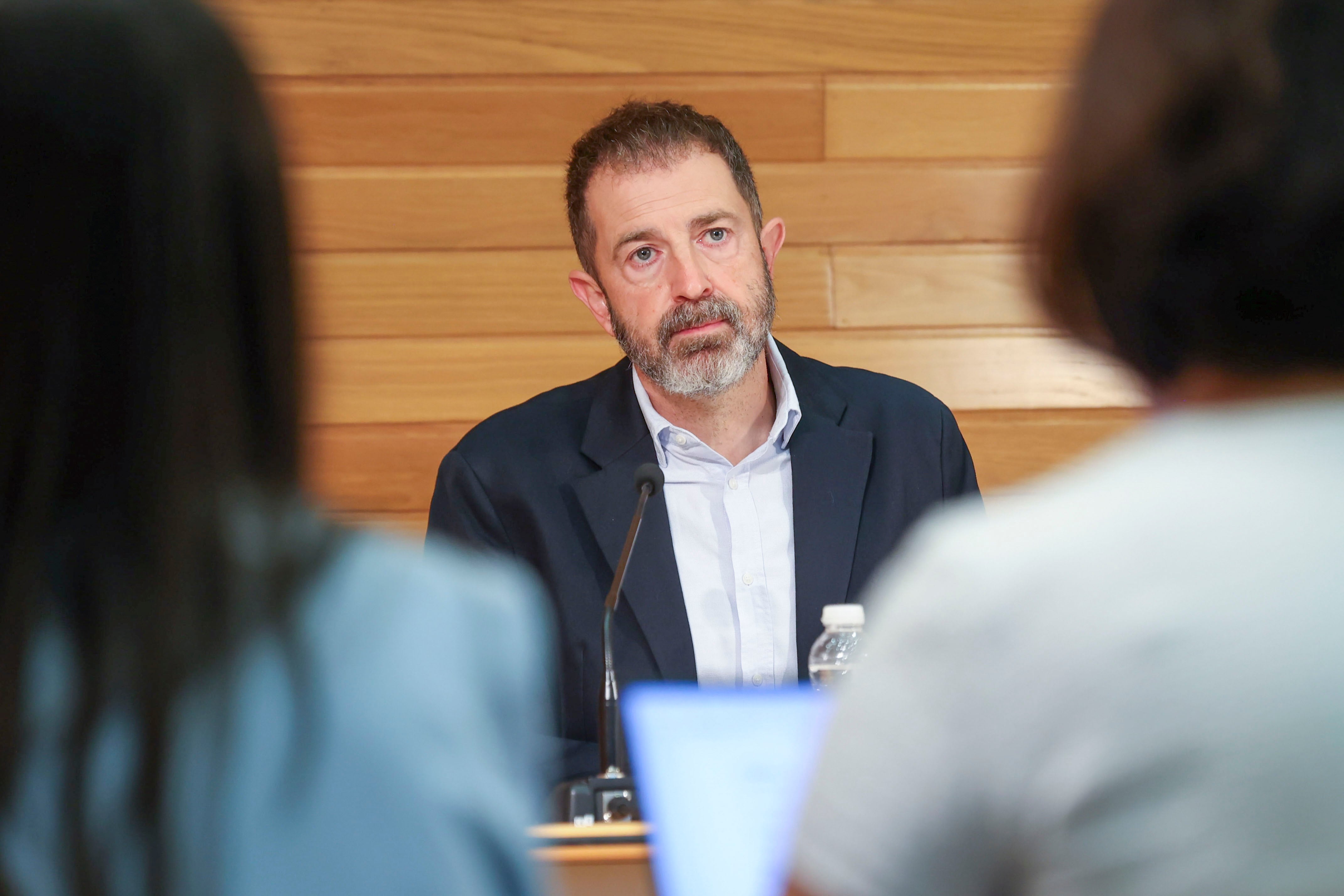
The condemnation imposes immediate cessation of the infringing activity by Telefónica, prohibits its future resumption, and demands payment of procedural costs. The decision is not final and admits appeal. Telefónica confirmed to this newspaper that they will appeal the ruling. "We consider that the contracting body now has two options: Telefónica can continue providing the service with Grupo Pancorbo, or we are dealing with a case of culpable breach of contract by Telefónica that could even open the door to a claim for culpable contractual resolution by Telefónica," stated lawyer Diego Hernaiz during a press conference held on Tuesday.
The conflict originated in 2017 when the Autonomous Executive awarded the virtualization of desktops for teachers and students in primary and secondary education. Telefónica won the bidding process using the solution developed by Grupo Pancorbo. "This technological solution allowed teachers and students to work remotely during COVID, in one of the few regions where their educational system had full remote work capacity from anywhere in the world, thanks to this virtualization solution," explained the general director of the SME, Jose Luis Pancorbo.
In 2021, both companies agreed to compete jointly in the NEOTEC aid bidding framework. The agreement stipulated that the SME would transfer the use of its technology in exchange for being subcontracted if Telefónica won the bidding. According to the Rioja firm, Telefónica submitted the offer claiming Pancorbo's technology as its own without fulfilling the agreed subcontracting conditions, which motivated the start of legal actions.
In parallel, the National Court rejected Telefónica's appeal against the Commission National de los Mercados y la Competencia (CNMC) and upheld the maximum rate of 0.07 cents per minute to be applied to Vodafone for emergency call services. The court's decision ratified the ruling made by the CNMC in September 2022. The judicial decision dismisses Telefónica's appeal and validates the upward adjustment of 0.07 cents per minute applicable between Telefónica and Vodafone for emergency and urgent health services (061), Guardia Civil (062), firefighters (080), National Police (091) and Municipal Police (092) call termination tariffs.
The tariff rates represent the majority provider's peage to Vodafone when an originating call in its network terminates in Telefónica's infrastructure. The National Court determined that the Delegated Regulation (EU) 2021/654, effective since July 1, 2021, is directly applicable to this type of traffic and obliges to modify the General Interconnection Agreement between the two companies.
The ruling rejects Telefónica's arguments of retroactivity and the regulator's incompetence, concluding that European normative prevails over the pre-existing model of billing based on minor pricing. The court specified that the application of the norm does not require an automatic refund of money, but authorizes Vodafone to claim economic adjustments corresponding to the period after July 2021.
The National Court imposed procedural costs on Telefónica with a limit of 3,000 euros. This decision also admits appeal to the Supreme Court.
Written by urgent.news from El Pais Economia's reporting — not their text. Machine-written — may contain errors; check the original before relying on it.