Colombia Turns to the IMF for the Fourth Time This Century
Colombia is once again knocking on the door of the International Monetary Fund (IMF), this time under President Abelardo De la Espriella, in a shift from the relationship maintained by the administration of Gustavo Petro with the multilateral organization. The new outreach comes amid strong pressure on public finances and opens the possibility that the […]
Colombia is pursuing financing from the International Monetary Fund (IMF) for the fourth time this century due to fiscal challenges. This move comes under President Abelardo De la Espriella, marking a shift from the administration of Gustavo Petro's relationship with the IMF. The fiscal difficulties have put significant pressure on public finances, prompting the need for the IMF's involvement.
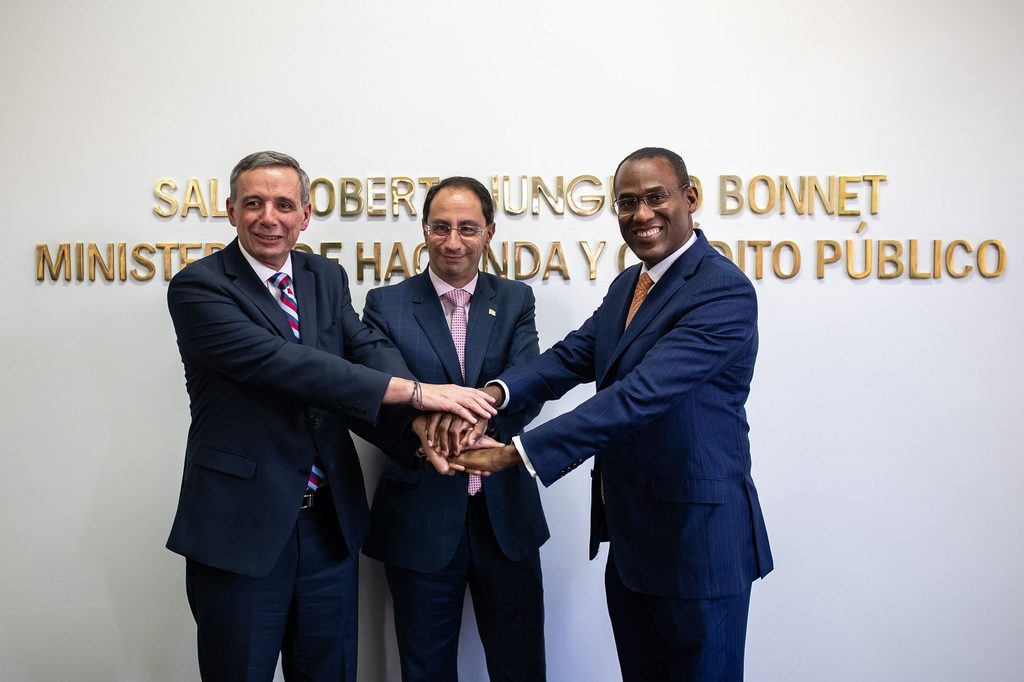
The process began over the weekend when Vice President Jose Manuel Restrepo and Finance Minister Miguel Gomez met with Nigel Clarke, the IMF’s deputy managing director, who visited Colombia for four days. The government requested an independent assessment of the economy and fiscal plan to explore alternative solutions to address the growing deficit.
Colombia's relationship with the IMF began during the economic crisis of the late 1990s. In 1999, under the Pastrana government, Colombia signed an Extended Arrangement with the IMF after experiencing a deep recession and deteriorating public finances. The country used IMF instruments again under the Uribe administration, with two Stand-By Arrangements approved in 2003 and 2005 to consolidate public finances and support economic recovery.
Unlike other Latin American countries, Colombia maintained a stable relationship with the Fund for years, primarily using the Flexible Credit Line as a precautionary measure. However, during the pandemic, the IMF significantly increased Colombia's credit line, and the country made a drawdown of around $5.4 billion in 2020, becoming one of the few cases where those resources were actually utilized.
In 2022, the arrangement was renewed for nearly $9.8 billion. In 2023, the Petro administration intended to keep the arrangement as a precautionary measure but criticized its predecessor's use of the line and subsequent debt repayment, which was completed in April 2026.
De la Espriella's administration has taken a different approach, re-engaging with the IMF amid the deteriorating public finances. The government admitted to facing increasing financing needs, with monthly expenditures at around 40 trillion pesos (approximately $12.5 billion) and revenues near 29 trillion pesos (approximately $9.1 billion), resulting in a monthly deficit of about 11 trillion pesos (approximately $3.4 billion).
The IMF's initial assessment, conducted through an Article IV consultation, will review the fiscal plan, growth prospects, employment, inflation, and main risks. The Fund acknowledged Colombia's strengths, including its independent central bank, resilient financial system, and economic policy frameworks. However, it emphasized the need for fiscal discipline, transparency, reduced imbalances, and strengthened investor confidence.
The IMF also called for addressing barriers to investment, improving security, closing infrastructure gaps, combating informality, and strengthening the rule of law and regulatory predictability while maintaining attention to priority social spending and vulnerable households.
Written by urgent.news from Colombia One's reporting — not their text. Machine-written — may contain errors; check the original before relying on it.