Acorn jelly draws Korean Gen Z as portable street food
com. Young adults in their 20s and 30s are lining up outside a specialty eatery in the Mangwon neighborhood of western Seoul, turning "cup mukbap" — a portable cup of acorn jelly served with rice and broth — into a viral street-food sensation. Even on weekdays, crowds gather well before doors open as people line up to grab a cup. The trend marks a…
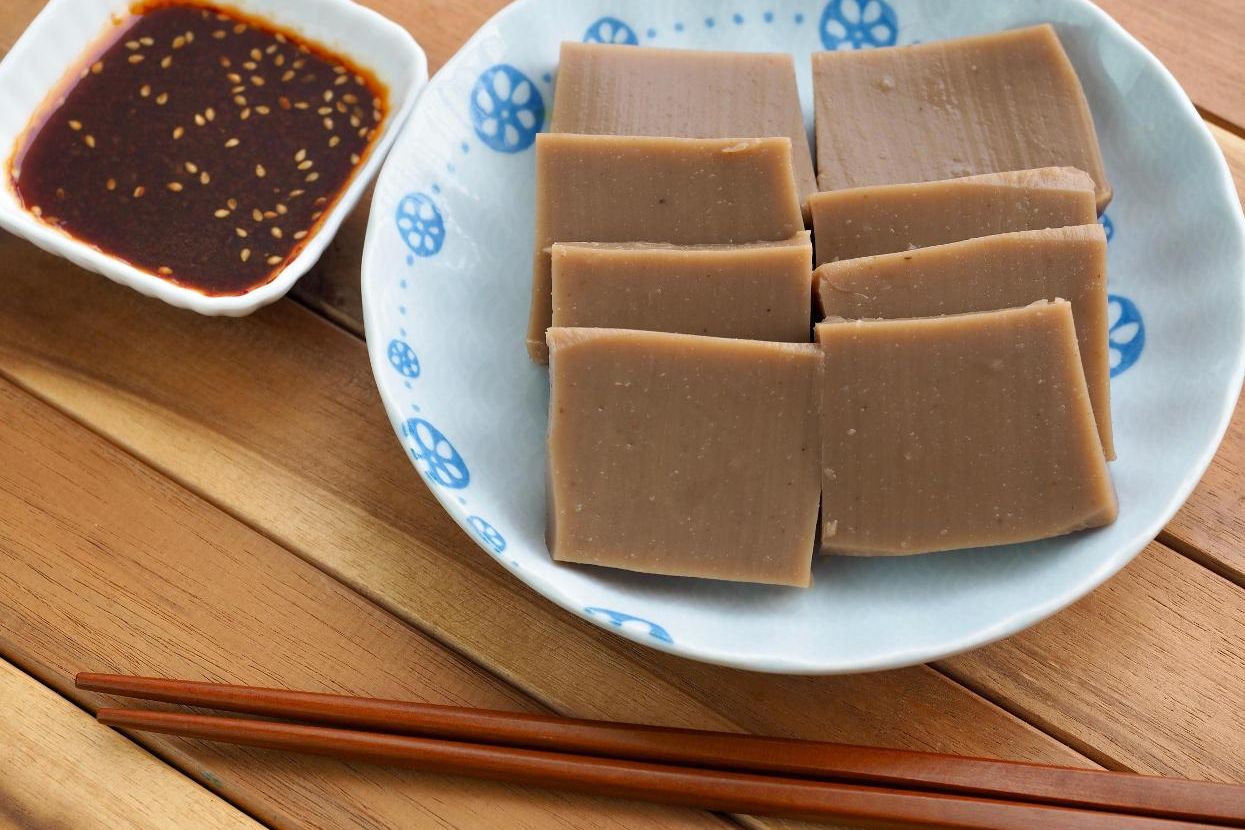
Young adults in their 20s and 30s are flocking to a specialty eatery in Seoul's Mangwon neighborhood, turning acorn jelly into a viral street food sensation. Despite being associated with traditional Korean side dishes and rustic tavern meals for years, the jelly is now being embraced by younger diners as a modern wellness food.
The trend marks a generational shift for dotorimuk, or acorn jelly. The acorns used to make the jelly are harvested annually in the fall when the brown nuts fall from oak trees. The nuts must be soaked repeatedly in water to remove their astringent tannins, which give them a bitter taste. After soaking, the nuts are finely ground and the sediment allowed to settle, extracting pure starch.
This starch is then dissolved in water, boiled, and allowed to cool into a thick jelly. The jelly is served in a portable cup, often paired with rice and broth, and its unique flavor and texture have captured the attention of Korean Gen Z.
Written by urgent.news from The Korea Times's reporting — not their text. Machine-written — may contain errors; check the original before relying on it.
Also reported by 1 other outlet
- Acorn jelly draws Korean Gen Z as portable street food koreatimes.co.kr