Will Hong Kong’s new AI ‘city brain’ really stop at traffic monitoring?
Something funny is happening to our lampposts. I first noticed this during a short walk down the road from our home estate, where one lamppost had sprouted a sort of growth on its side, and, further up, a cluster of cameras. When first installed, this had a rather informal air. The growth on the side […]
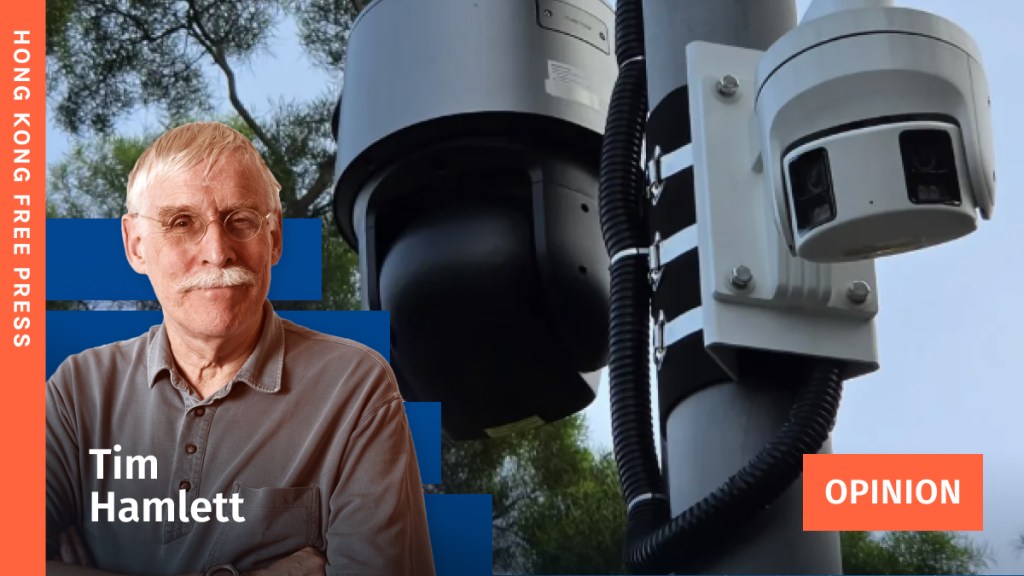
In a recent development, Hong Kong is set to be fitted with a "City Brain," a system incorporating artificial intelligence to centralise real-time data from various sources, such as CCTV cameras, tracking systems, smart sensors, government databases, social media, and mobile apps. The aim of this ambitious project is to optimise traffic lights, waste management, and other aspects of urban governance.
The government has assured citizens that the city brain is not intended for surveillance purposes, but rather to monitor traffic and urban conditions. Chief Secretary for Administration Eric Chan, who is heading the task force overseeing the project, explicitly stated that the city brain is not meant for surveillance, crime monitoring, or catching thieves.
However, questions remain about the extent of the city brain's capabilities and whether it will be seized and exploited to monitor individuals or crime. The installation of the city brain, which has been described as "random and odd," has raised concerns among residents. While some estates have benefited from the installation of lampposts with embedded cameras, others have not received the same treatment. Additionally, the most congested traffic spot, near the English Schools Foundation, remains unprotected.
As the city brain project moves forward, it remains to be seen if the government will adhere to its stated intentions or if the technology will be used for broader surveillance purposes. Opponents of the project argue that the weaponisation of official powers has already been seen in recent years, and they remain sceptical about the city brain's commitment to transparency and non-surveillance uses.
Written by urgent.news from Hong Kong Free Press's reporting — not their text. Machine-written — may contain errors; check the original before relying on it.