Why the U.S.-China thaw is harder than it looks
Also: All the news and watercooler chat from Fortune.
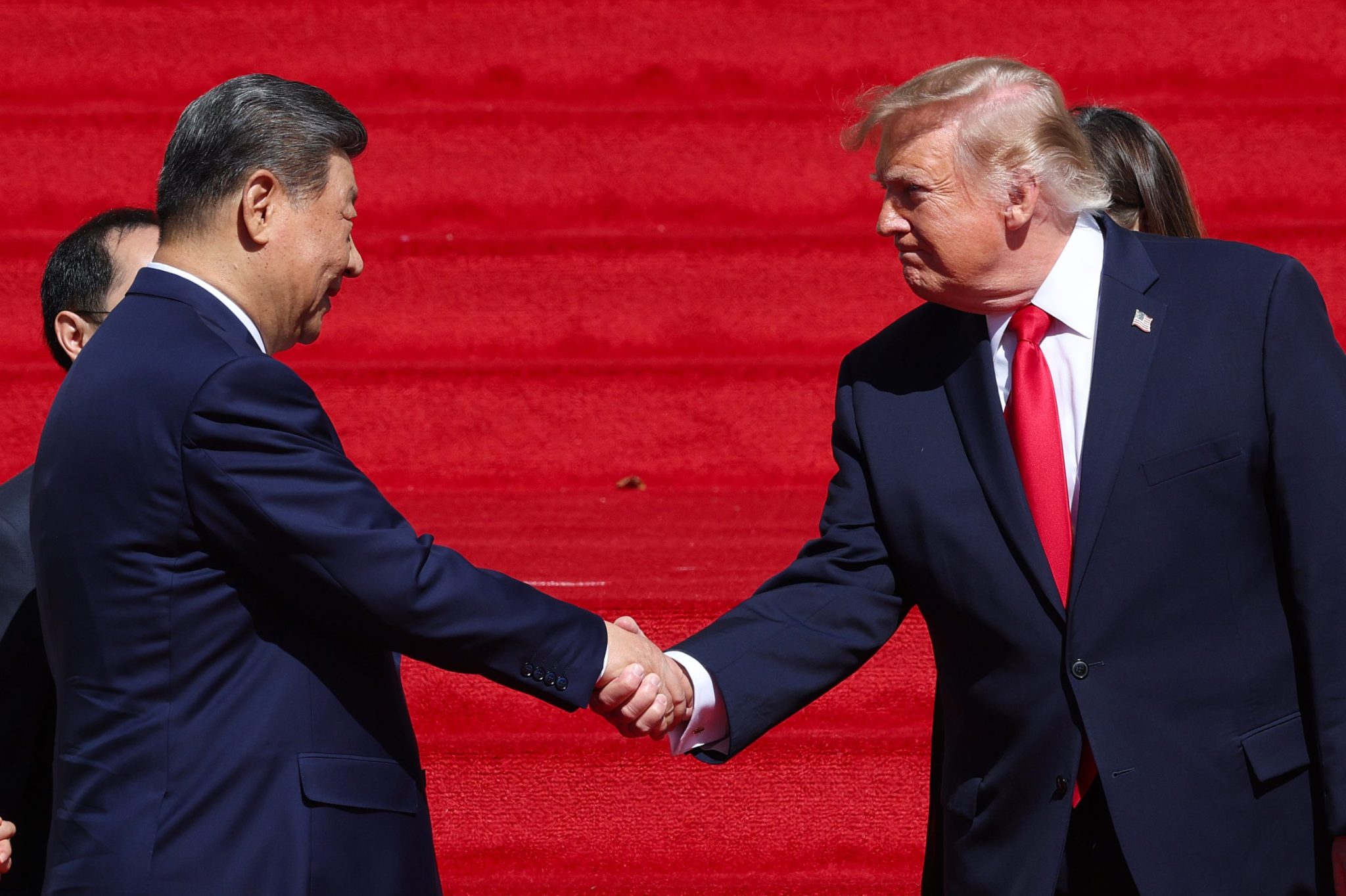
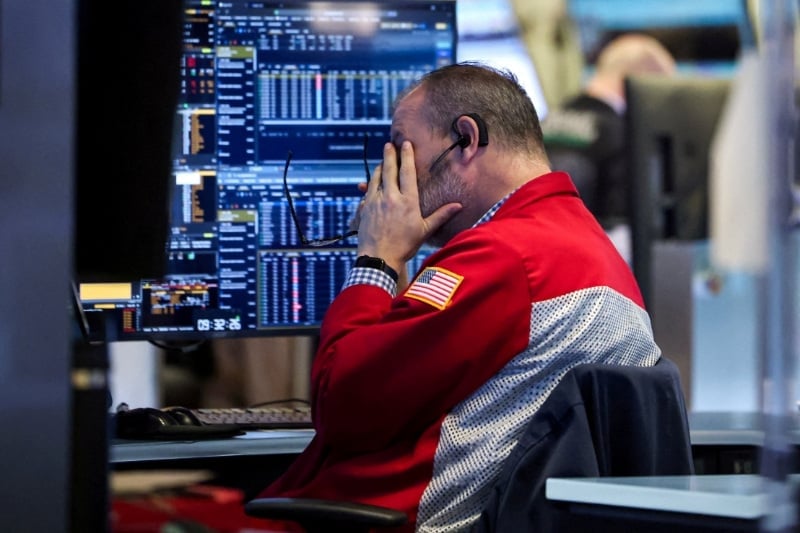
The apparent warmth between U.S. President Donald Trump and Chinese President Xi Jinping after their recent dinner is just the beginning of a difficult process. The main subject of the meeting was OpenAI's decision to pause AI training efforts once again. Globally, the markets have been mixed due to a rise in oil prices. Fortune magazine reported on the latest news and casual conversations from the publication.
A Scottish cousin shared his admiration for a Chinese-made phone during a visit in New York, suggesting that Apple's iPhone falls short when it comes to on-device AI agents and integration. Unfortunately, U.S. carriers do not sell or support most Chinese brands, leaving U.S. consumers unaware of the innovations emerging from China.
They cannot purchase vehicles from BYD, the leading electric vehicle manufacturer selling its popular Seagull model for approximately $8,000. Additionally, they are unable to acquire Chinese-made humanoid robots, pets, or experience the seamless brand integration found on super apps like WeChat.
Various reasons contribute to these product bans, such as legitimate concerns about security, intellectual property theft, and unfair competition resulting from state subsidies. However, Chinese companies have surpassed American competitors in certain areas, prompting some U.S. CEOs and entrepreneurs to seek out their technologies. This perspective is essential when considering the outcome of the China-U.S. summit and the perceived friendly relationship between the two leaders.
Trust remains a significant issue in the relationship between the U.S. and China. Recently, the Justice Department initiated a criminal trial against Huawei Technologies in Brooklyn federal court, accusing the company of a two-decade "culture of crime" involving the theft of intellectual property from companies like T-Mobile, Cisco, and Motorola.
In September, the NSA, FBI, and CISA jointly released an advisory warning about six Chinese AI firms allegedly stealing trade secrets from major U.S. AI companies like Anthropic, OpenAI, Google, and xAI.
These tensions are reciprocal. Chinese leaders have expressed reluctance to invest in the U.S. market due to geopolitical uncertainties. While China's overseas investments increased by 11% to $214 billion in the previous year, direct investments into the U.S. dropped by 71% to $1.9 billion. The AI race represents the most significant challenge between the two nations.
High-profile figures from both countries, including Nvidia's Jensen Huang, AMD's Lisa Su, Tim Cook, Elon Musk, Sam Altman, and Mark Zuckerberg, participated in the state dinner for Xi, highlighting the conflict over tariffs and export controls. Sam Altman of OpenAI and Meta's Mark Zuckerberg were present, while Anthropic's Dario Amodei was notably absent.
The AI safety debate should include Chinese companies, particularly as entities such as Alibaba have developed powerful AI chips. The U.S. and China have agreed to establish an AI safety channel, reminiscent of the Cold War-era Washington-Moscow hotline, with the aim of preventing nuclear disaster. However, Americans' opinions of China are growing more favorable as the perception of the U.S. declines, thanks to the "dumb trade war" with Canada and BYD's successful entry into the Canadian market.
Chinese companies are winning business through product quality and value, attracting entrepreneurs via DeepSeek and small business users via Alibaba.com's AI-powered Accio Work platform. CEO Kuo Zhang of Alibaba.com emphasized that achieving seamless international business requires building trust and providing flexible support for supply chains, with tariffs being only one factor to consider.
Written by urgent.news from Fortune's reporting — not their text. Machine-written — may contain errors; check the original before relying on it.