Why building better cities makes good business sense
Abu Dhabi is growing, and the signs are easy to see. New homes, roads and businesses are taking shape across the emirate. The important question is whether this development also makes everyday life better for the people who live here. They want a safe home, a reasonable journey to work, good schools and healthcare, and parks and shops close by. These things make daily life easier, but they also…
Abu Dhabi's rapid development is evident with new homes, roads, and businesses popping up across the emirate. However, the focus should be on whether these improvements enhance everyday life for residents. A safe home, reasonable commute, quality schools and healthcare, accessible parks and shops are essential for a better quality of life.
These factors also make economic sense for businesses. City planners now consider whether people will want to move to a city, secure their families' happiness, and remain long-term. Retaining skilled workers is costly, as businesses must recruit, train, and rebuild knowledge within their teams. A city offering a good quality of life helps employers retain talent for longer and provides investors with confidence in finding necessary workforce.
The wider economy also benefits as people settle, renting or buying homes, shopping locally, and participating in community life. They are more likely to plan for the future and spend money locally, creating stronger neighborhoods and a stable economy. Planning can also provide valuable time savings. Shorter, more reliable commutes reduce traffic time, while nearby schools, clinics, or shops minimize long trips.
Public infrastructure like shaded walking paths and parks encourages outdoor activities and family gatherings. Abu Dhabi is implementing this approach with its Liveability Strategy since 2023. Over 60 projects worth Dh12 billion ($3.26 billion) have been supported, part of a Dh42 billion program. These include over 200 parks and sports courts, 24 schools, 21 mosques, 28 community centers, and more than 20 retail facilities.
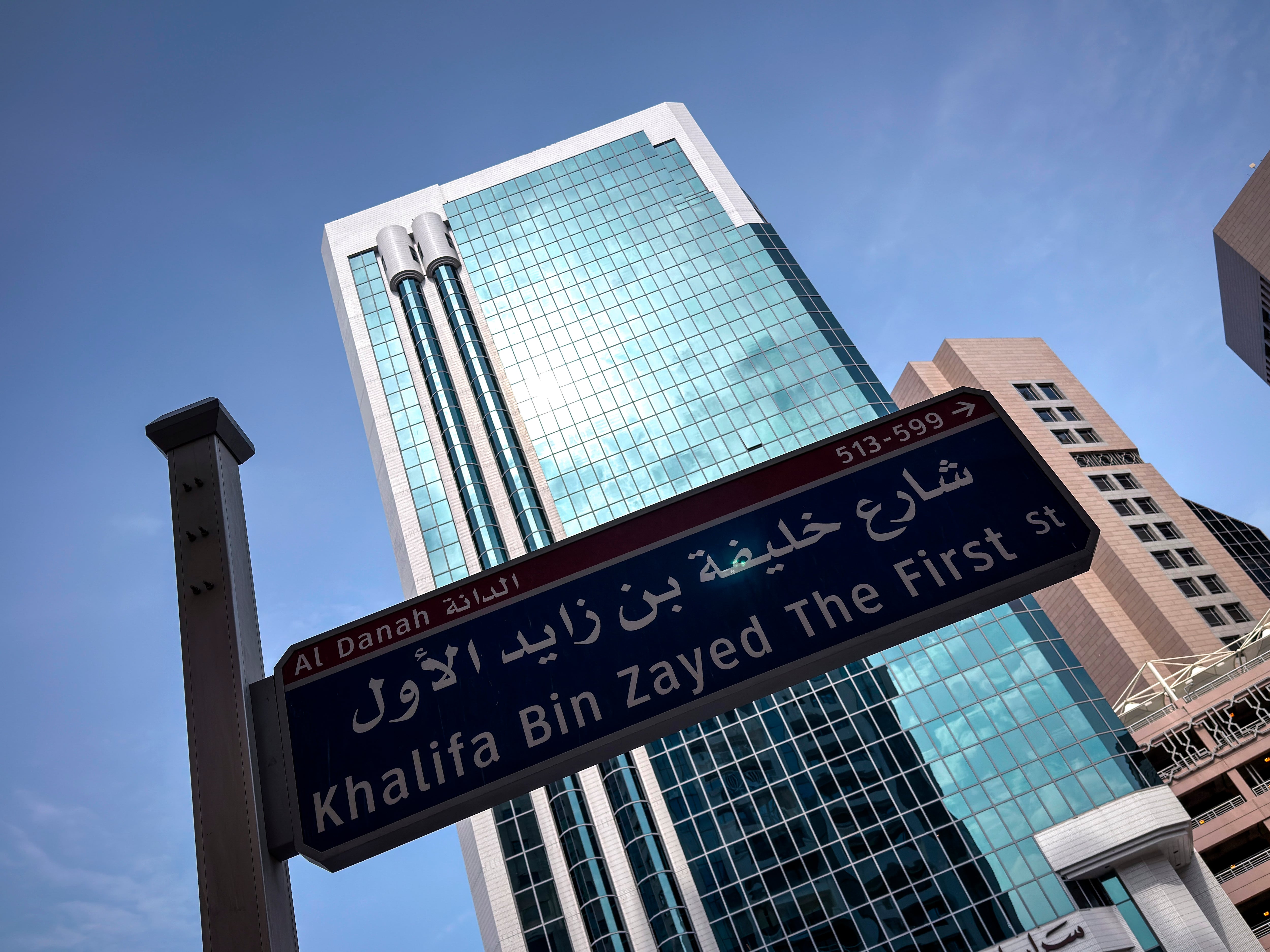
The city is also adding nearly 120 kilometers of walking paths and 283 kilometers of cycling tracks, with Phase Two focusing on facility operation and community service. In terms of transport, recent bridge construction between Al Reem Island and Sheikh Khalifa bin Zayed Highway, capable of handling 7,200 vehicles per hour, is expected to cut busy-hour journeys by 15 minutes.
This time-saving measure benefits commuters, deliveries, and children heading to school. It also supports businesses by minimizing delays and associated costs. Housing must keep pace with economic growth. Last year, Abu Dhabi approved plans for nearly 190,000 homes as part of a broader development of nearly 75 million square meters, including industrial areas, data centers, advanced factories, and about 5,000 hotel rooms.
Balancing residential, industrial, and commercial growth is crucial, as new jobs require homes, roads, schools, and services. Clear and swift government services also aid growth. The Binaa platform, utilizing technology for faster building permit approvals, reduces waiting, paperwork, and unnecessary costs for homeowners, architects, and builders.
This ensures good projects move forward sooner while maintaining safety checks. A city that simplifies daily life is more likely to retain people and businesses that contribute to economic growth. However, solving every city challenge simultaneously may not be feasible. Cities evolve and people's needs change over time, but planning around everyday life, listening to communities, and continually improving living conditions should remain at the forefront.
This approach will be emphasized at LiveX 2026, the first Liveability and Investment Exhibition, taking place at the Adnec Centre Abu Dhabi from September 29th to October 1st. The event will showcase Abu Dhabi's efforts in connecting liveability with investment through projects, policies, and partnerships shaping daily life across the emirate.
The most competitive cities of the next decade will be defined not only by growth but also by how this growth enhances daily life for residents, visitors, and businesses. When people have suitable housing, efficient transport, and well-functioning neighborhoods, they are more likely to stay, businesses can retain talent, and investors can plan with greater confidence. In essence, continuously improving everyday life in Abu Dhabi is an investment in its future.
Written by urgent.news from The National UAE's reporting — not their text. Machine-written — may contain errors; check the original before relying on it.
Also reported by 1 other outlet
- Why building better cities makes good business sense thenationalnews.com