US Department of Transportation Makes Way for Less Efficient Cars as Fuel Prices Soar
The Trump administration’s final fuel economy rule promises $1,300 off the average new vehicle, but will that matter if fuel prices continue to climb?
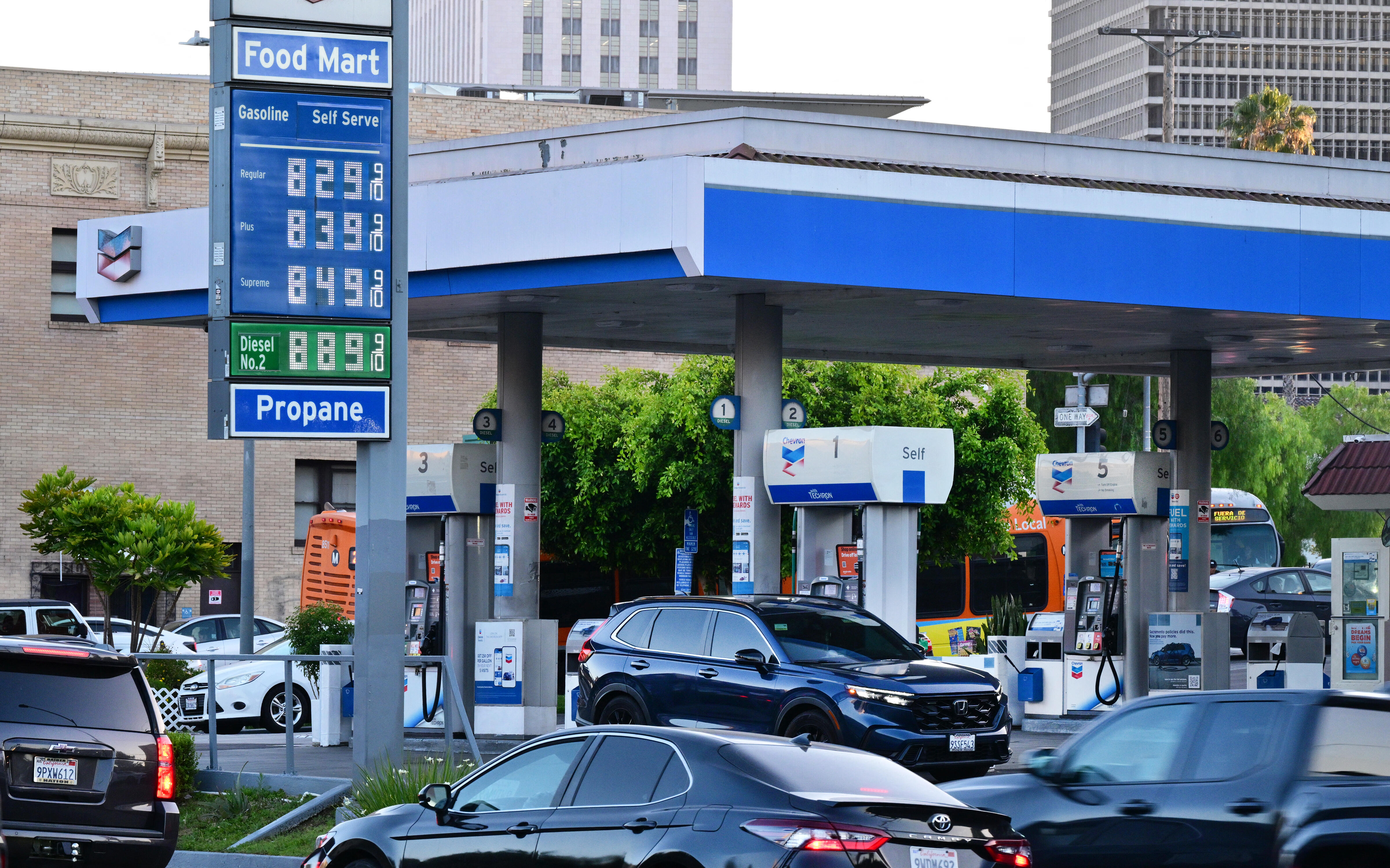
The US Department of Transportation has announced new guidelines for automakers, allowing them to build less fuel-efficient vehicles in response to soaring fuel prices. The Freedom Means Affordable Cars rule, announced on Monday, resets corporate average fuel economy standards to pre-Biden-era levels, effectively nullifying an "illegal mandate" that forced manufacturers to create electric vehicles that Americans did not want.
The new rule is seen as tone-deaf given the current high fuel prices, with Americans paying an average of $4.48 per gallon for regular gasoline and $6.45 per gallon for diesel. AAA estimates that Americans have spent an additional $43 billion on gas since the conflict in Iran began, with no relief in sight. The DOT claims the rule will cut the average new-vehicle price by $1,300, save Americans $138 billion over five years, and prevent 300,000 serious injuries and 1,900 deaths.
However, critics argue that the new standards fall short of what automakers have already achieved and could result in fewer fuel-efficient options for consumers. The rule also changes vehicle classifications, potentially discouraging automakers from making design changes and adding equipment to small crossovers. The closing of the CAFE credit trading program eliminates a major source of income for companies like Tesla.
While some experts see merit in the reclassification rules and the end of credit trading, many believe the Freedom Means Affordable Cars rule is a step backward in terms of affordability and common sense.
Written by urgent.news from CNET's reporting — not their text. Machine-written — may contain errors; check the original before relying on it.