Until she is safe on every street, none of us are free
South Africa has laws, institutions and strategies to combat gender-based violence and femicide. But prevention will remain out of reach unless threats are taken seriously, survivors receive protection and government is held accountable before violence becomes fatal.
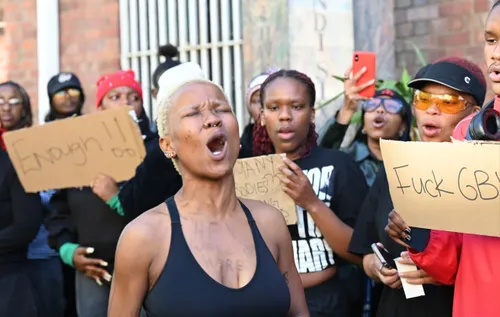
South Africa confronts the harsh reality of gender-based violence and femicide, a crisis that continues unabated despite existing laws, policies, institutions, shelters, courts, police structures, and community organizations. The discovery of yet another woman's body in Ekurhuleni has once more thrust this grim reality into the public eye, highlighting the urgent need for action.
Police are investigating these cases, but the connection between the deaths remains unclear. Nonetheless, each life lost represents not just a statistic, but a family and a community left to mourn.
To prevent further tragedies, the question must shift from how to investigate after a murder to what could have been identified earlier, what warnings were overlooked, whether threats were reported, whether protection was offered, whether known perpetrators were stopped, and whether institutions acted swiftly before violence took a fatal turn.
South Africa has acknowledged this crisis, classifying gender-based violence and femicide as a national disaster in November 2025. The National Council on Gender-Based Violence and Femicide was established to coordinate a multi-sectoral response, but the question remains whether these frameworks and institutions are functioning swiftly and effectively enough to stop the next victim.
The challenge is not merely recognizing the crisis but transforming acknowledgment into tangible prevention, protection, justice, and measurable outcomes. It is crucial to move beyond merely counting violence after it occurs to understanding what transpires before the crime. How many women experienced threats before their attacks?
How many perpetrators had been previously reported? How many warning signs were known to families, neighbors, schools, workplaces, or authorities? How many chances existed to intervene before violence became deadly? Acknowledging these questions is crucial in building a system that can recognize danger and respond before the final act.
Prevention requires early identification of risk, serious consideration of threats, connecting survivors to appropriate services, thorough follow-ups, and ensuring institutions fulfill their responsibilities. Femicide does not emerge from murder; it begins with control, intimidation, stalking, threats, assault, isolation, coercion, and repeated abuse.
To truly combat femicide, society must be proactive in interrupting this dangerous pathway. This means addressing violent behaviors within relationships and environments that should offer safety. Prevention must start in homes and families, where children observe relationships and learn behaviors that shape their understanding of anger, rejection, strength, and respect for women.
The 2024 State of South Africa's Fathers report indicates that 35.6 percent of children in South Africa live without their biological father in the household. While this statistic does not necessarily equate to father absence, it underscores the significance of consistent adult presence and guidance. A father's role extends beyond biological connection; it encompasses responsible fatherhood, involving caring, listening, guiding, setting boundaries, showing affection, demonstrating self-control, and taking responsibility for children's well-being.
Moreover, responsible fatherhood entails treating mothers with dignity and fostering positive male role models.
In essence, preventing femicide necessitates a proactive approach that begins much earlier than the point of police intervention. By addressing root causes, promoting positive male roles, and fostering safe environments, South Africa can strive to protect every woman, safeguarding not just lives, but the future of families and communities.
Written by urgent.news from IOL's reporting — not their text. Machine-written — may contain errors; check the original before relying on it.