Ukraine's defense industry gets a second chance
In 1991, Ukraine inherited the second-largest defense industrial complex of the Soviet Union. It was so big that almost a third of the Soviet space industry sat on Ukrainian soil, and the system employed millions of people. Pivdenmash, a rocket and space technology juggernaut, built the most powerful intercontinental missiles on the planet. Antonov, a world-famous brand, produced the world's…
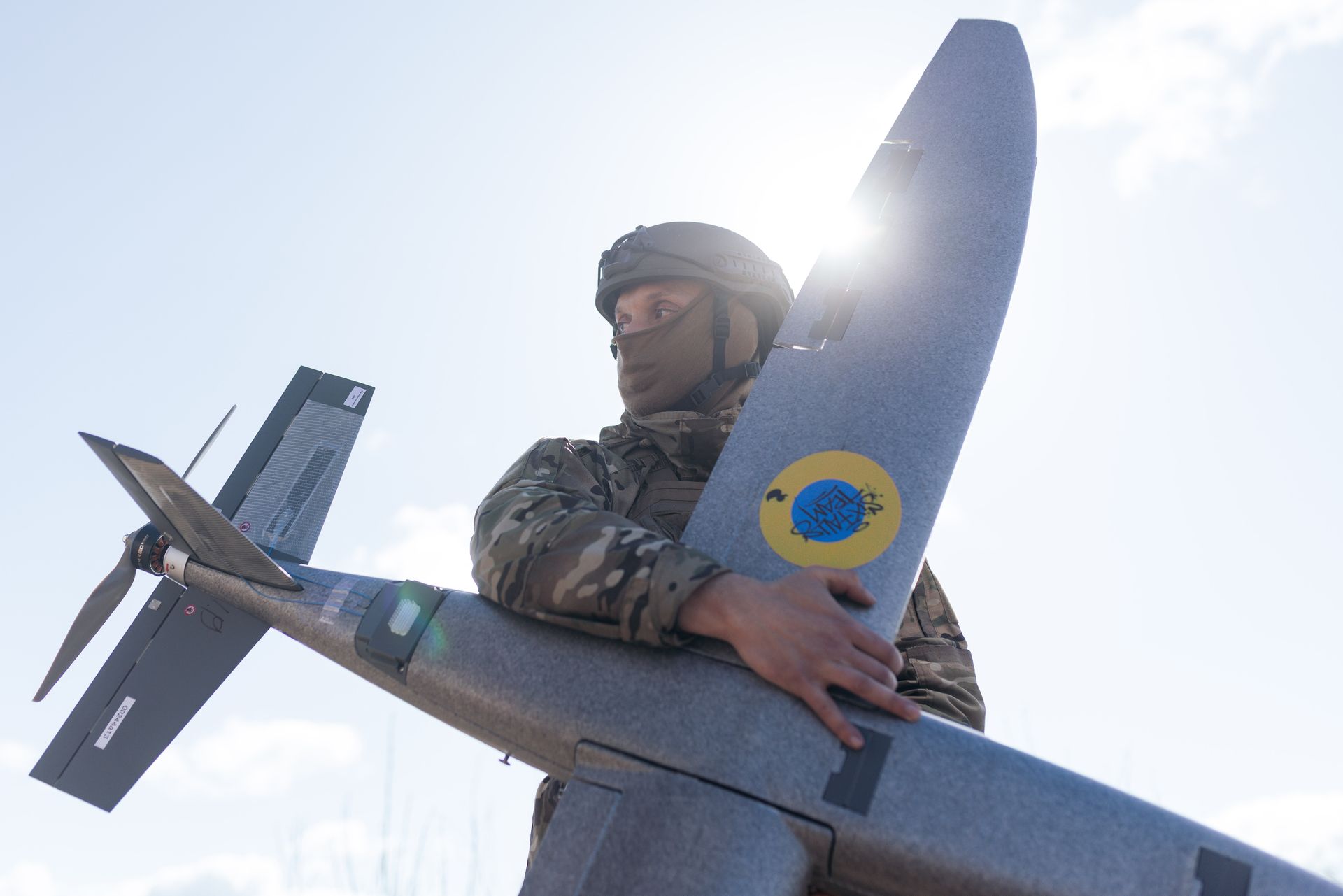
In 1991, Ukraine inherited a significant portion of the Soviet Union's defense industrial complex, which was responsible for producing advanced technologies such as rockets, space technology, large aircraft, and intercontinental missiles. However, over the past three decades, much of this capacity has dissipated, leaving Ukraine with a weakened defense industry in 2014.
Today, the country is rebuilding its defense sector from the ground up, relying on private investment and open competition, with quality control maintained under the harsh conditions of the battlefield. This new approach is in stark contrast to the Soviet model, which relied on state-owned enterprises and a closed system that stifled innovation and growth.
The defense industry now employs over 1,000 companies, with private businesses accounting for up to 90% of drone production. In 2025, the sector generated $13.1 billion in revenue, marking a 31% increase from the previous year. This growth is not limited to funded activities, as the state also estimates the capacity of the defense industry to be worth tens of billions of dollars.
The success of Ukraine's defense industry lies not just in its financial achievements, but in the broader implications for the nation's future. In the United States, Silicon Valley's growth began in military radar labs and Pentagon contracts, while Israel's technology economy emerged from its defense sector. South Korea built its defense industry as part of a broader industrial push and now ranks among the world's top arms exporters.
These examples demonstrate that a thriving defense sector can serve as the foundation for a country's technological and economic development.
However, Ukraine's path forward is not without challenges. The country must decide whether to foster a spillover effect, where military technology and engineering culture permeate the civilian economy, or to remain isolated and autarkic. Similarly, Ukraine must choose between openness—encouraging international partnerships and exports—and consolidation, which could lead to the stagnation seen in the Soviet era.
By navigating these forks with care, Ukraine can build a defense industry that not only meets its current needs but also propels the nation into a future of technological advancement and economic prosperity.
Written by urgent.news from Kyiv Independent's reporting — not their text. Machine-written — may contain errors; check the original before relying on it.