Turbulent monsoon seas trigger unusual wave alerts along Kerala coast
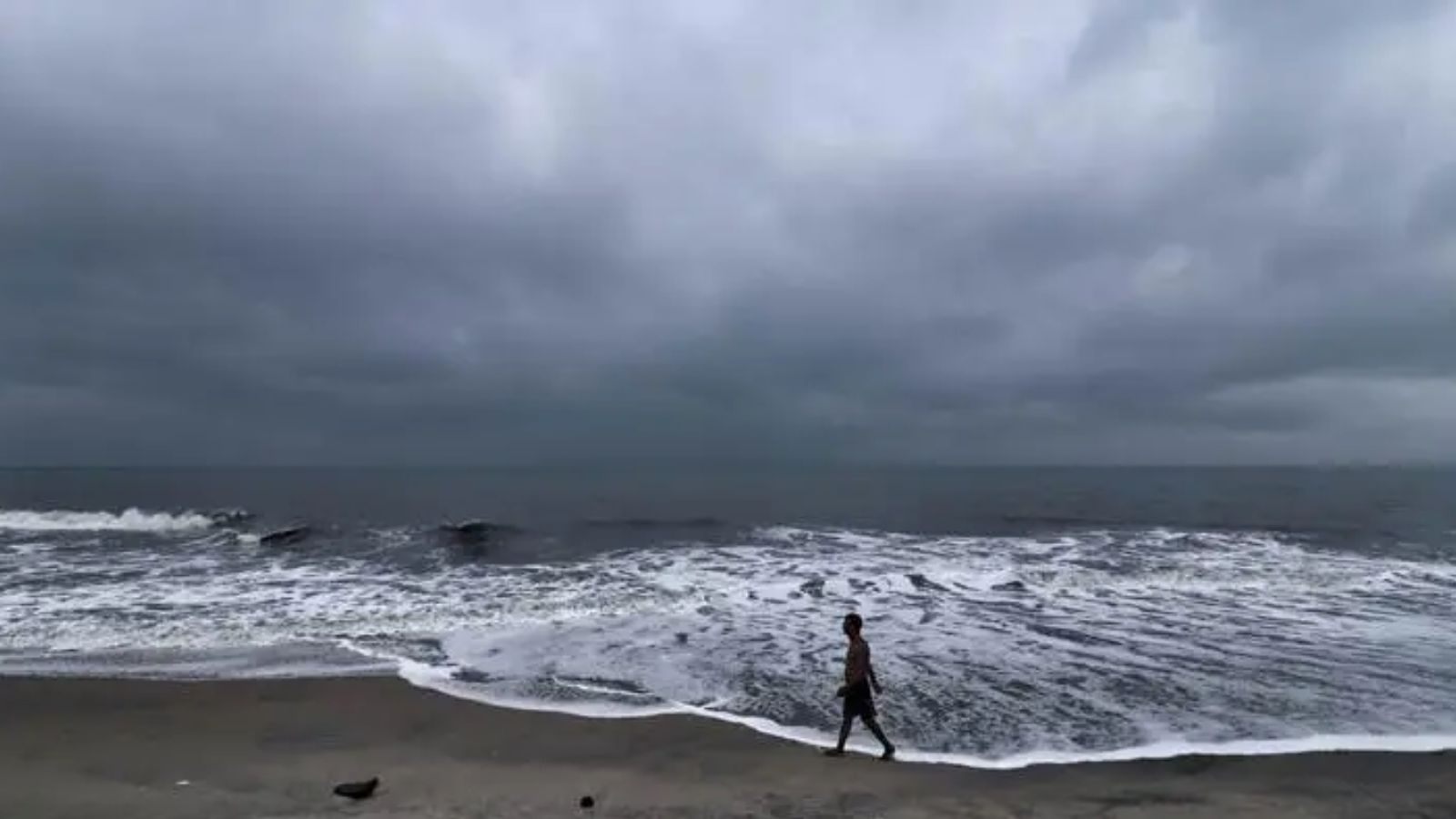
Changes in monsoon-time sea conditions, influenced by El Niño, have led to frequent swell surges along India's western coast, prompting regular alerts during the southwest monsoon season. This is a significant shift from previous years when such warnings were mostly confined to the pre-monsoon period. The Indian National Centre for Ocean Information Services (INCOIS), under the Ministry of Earth Sciences, issued a red alert for swell surge along the entire Kerala coast and southern Tamil Nadu for two days starting from Saturday.
The State Disaster Management Authority (KSDMA) further extended the alert till late night on Monday, urging people to remain vigilant against strong waves, sea erosion, coastal flooding and the destruction of fishing vessels. INCOIS has also issued an orange alert for swell surge along coastal Karnataka since Saturday. Swell surge is caused by ocean swells formed by distant storms such as hurricanes or persistent gale winds, transferring immense energy from the air to the water, creating extremely high waves that can travel thousands of kilometers before striking the shore.
Typically, swell surge is a result of strong winds in the southern Indian Ocean, where ocean swells are generated, with waves then traveling north to reach the coast within two to three days. During the onset of the southwest monsoon this year, Kerala's coast experienced 14 alerts for swell surge, also known as "kallakadal" in fishermen's terminology, with two of them being red alerts.
On Sunday, the Alappuzha district coast witnessed heavy waves, leading to flooding of coastal roads and traffic disruptions. Coastal regions remain under alert for massive waves, despite mainland Kerala reporting a 28% deficit in the southwest monsoon season to date. According to INCOIS director Dr. T M Balakrishnan Nair, the southwest monsoon is expected to withdraw by the end of September, leaving uncertainty about whether swell-surge events will persist into the post-monsoon period under the prevailing El Niño conditions.
Dr. Nair noted that, unlike previous monsoon seasons where alerts against swell surges were typically issued during the pre-monsoon period due to the presence of normal monsoon waves and winds, this monsoon has seen repeated warnings against swell surges. He explained that the El Niño phenomenon has influenced sea conditions, with usual monsoon waves and winds largely absent, allowing powerful swell waves originating from 1000 to 2000 kilometers away to become more evident.
These distant swell waves have resulted in frequent swell surge episodes along the coast. The calm sea due to El Niño has also encouraged fishing and other activities, as the usual rough-sea conditions brought on by monsoon winds have largely been absent. Dr. Nair emphasized the need for vigilance against swell surges during such events, as they contribute significantly to large waves hitting the coast and causing flooding.
For swell surge incidents to be more frequent along India's western coast, Dr. Balakrishnan explained that powerful waves originating from the southern ocean initially strike southern Kerala and the Kanyakumari region of Tamil Nadu. The deep sea in this region allows these swell waves to maintain their energy, hitting the coast with great force.
Written by urgent.news from The Indian Express - India's reporting — not their text. Machine-written — may contain errors; check the original before relying on it.
Also reported by 1 other outlet
- Turbulent monsoon seas trigger unusual wave alerts along Kerala coast indianexpress.com