Therapy prompts adult retinas to repair themselves
A new study offers fresh hope that some forms of vision loss, once thought to be permanent, might one day be recoverable.
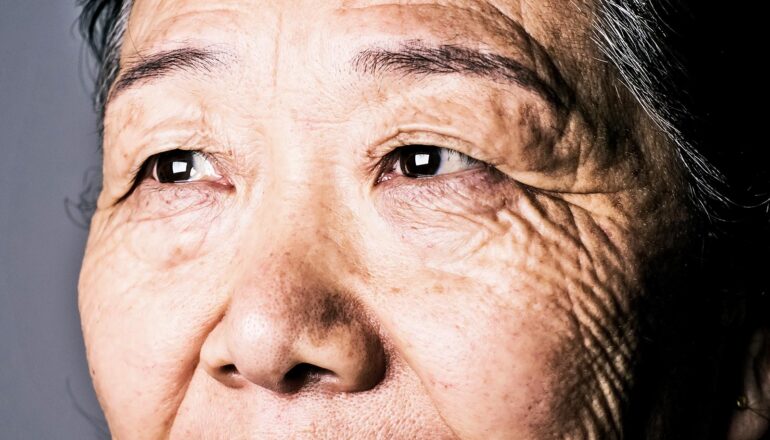
A groundbreaking study published in Molecular Therapy Advances reveals that a single dose of gene therapy not only halted inherited blindness in adult retinas but also spurred mature cells to rebuild damaged connections and restore lost vision. The research, conducted by scientists at Michigan State University College of Veterinary Medicine, challenged the prevailing belief that mature mammalian nerve cells are incapable of self-repair.
Led by assistant professor Billie Beckwith-Cohen and professor Simon Petersen-Jones, the team investigated a gene therapy called CaBP4, designed to treat a rare inherited condition that interferes with calcium signaling between light-sensing cells and the brain.
The therapy proved to be more than just a halt to disease progression, according to the findings. It prompted adult retinas to remodel, thicken, and recover visual function. To understand the therapy's impact, Beckwith-Cohen likens genetic mutations to a typo in a blueprint for the eye. "Our therapy provides new instructions for the misspelled segment, like an editor," she explains.
The researchers observed three distinct structural changes in the adult retinas, indicating not only the addition of new components but also the repair of existing abnormalities.
To evaluate the therapy's efficacy, the scientists studied dogs naturally developing the condition, a valuable approach due to the similarity between canine and human eyes. Dogs with spontaneous diseases offer a more reliable model for studying human genetic mutations, as they develop the condition naturally rather than through artificial modifications.
The study's findings suggest that adult retinas retain the ability to reorganize and repair damaged neural networks, offering renewed hope that some forms of vision loss might be recoverable in the future.
Written by urgent.news from Futurity's reporting — not their text. Machine-written — may contain errors; check the original before relying on it.