The Untold Origins of Trump’s Plan to Sharply Restrict Mail-In Voting
The post The Untold Origins of Trump’s Plan to Sharply Restrict Mail-In Voting appeared first on ProPublica .
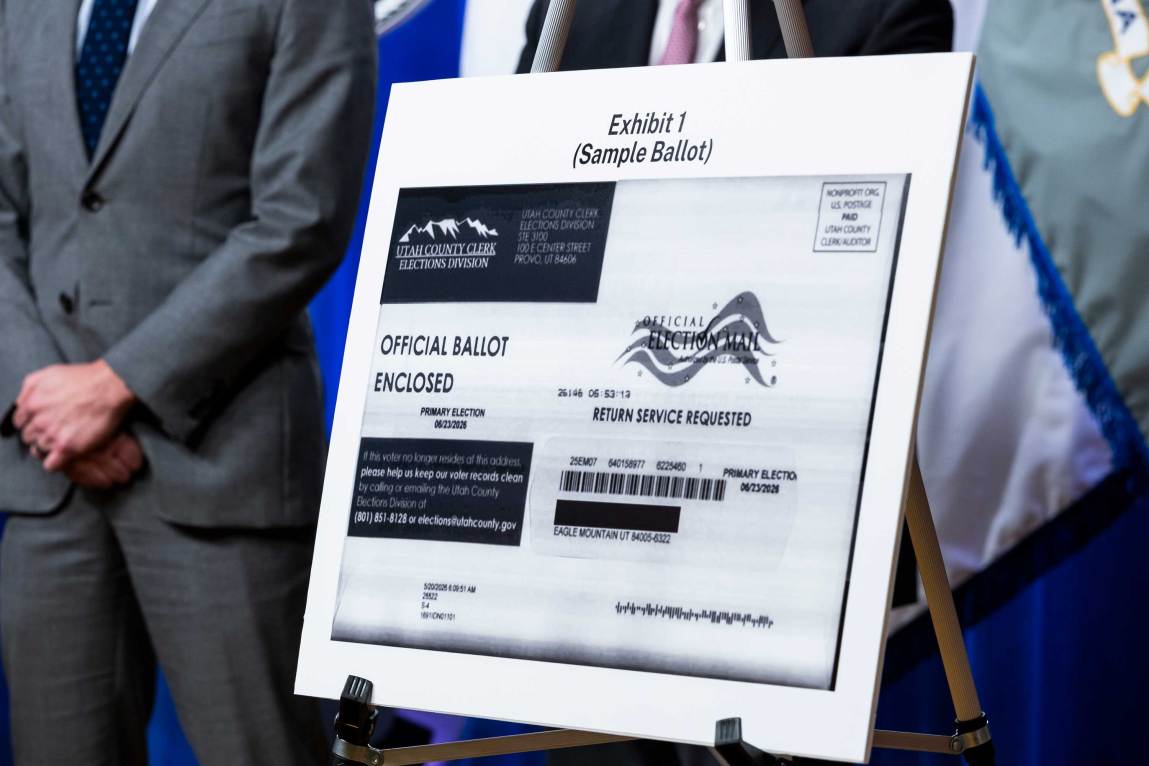
Before the Supreme Court blocked President Donald Trump's executive order restricting mail-in voting, the White House had floated an even more restrictive plan, according to ProPublica. The proposal would have required all mail-in ballots to be delivered through certified mail, forcing voters to be home and sign for delivery. The idea was ultimately abandoned after postal service objections, which claimed it would have been impossible to execute.
Despite this, postal service officials were largely excluded from crucial discussions as the administration moved forward with the final executive order, issued in March. This order placed unprecedented control over the mail-in voting process in the hands of the Commerce Secretary, who has no formal oversight over the Postal Service.
The Postal Service's lawyers were blindsided by the contents of the order, which mandated postal workers to serve as gatekeepers, deciding which ballots would be accepted. Inside the Postal Service, deliberations on compliance stretched for weeks, with some board members concerned but fearful of retaliation from Trump. The board ultimately remained silent, relying on the courts to block the measure.
The White House team involved in the mail-in voting discussions included J. Brian Sikma, a special presidential assistant with ties to election initiatives, and Commerce Secretary Howard Lutnick, who served in an "advisory and coordination capacity." The White House denied interfering improperly with the Postal Service, stating the order added safeguards to vote-by-mail.
However, postal officials called the administration's push to revamp mail voting problematic and based on fabricated fears of widespread fraud. Postal Service leaders had already recommended standardized ballot envelopes with scannable barcodes to improve efficiency, but these recommendations were never implemented under Trump's executive order.
Written by urgent.news from ProPublica's reporting — not their text. Machine-written — may contain errors; check the original before relying on it.