Over 300 custom-made camera traps spread across an area the size of Cape Verde make important wildlife discoveries
Panthera lead scientist Paolo Strampelli talks camera traps and how they’re used to gather important data for conservation
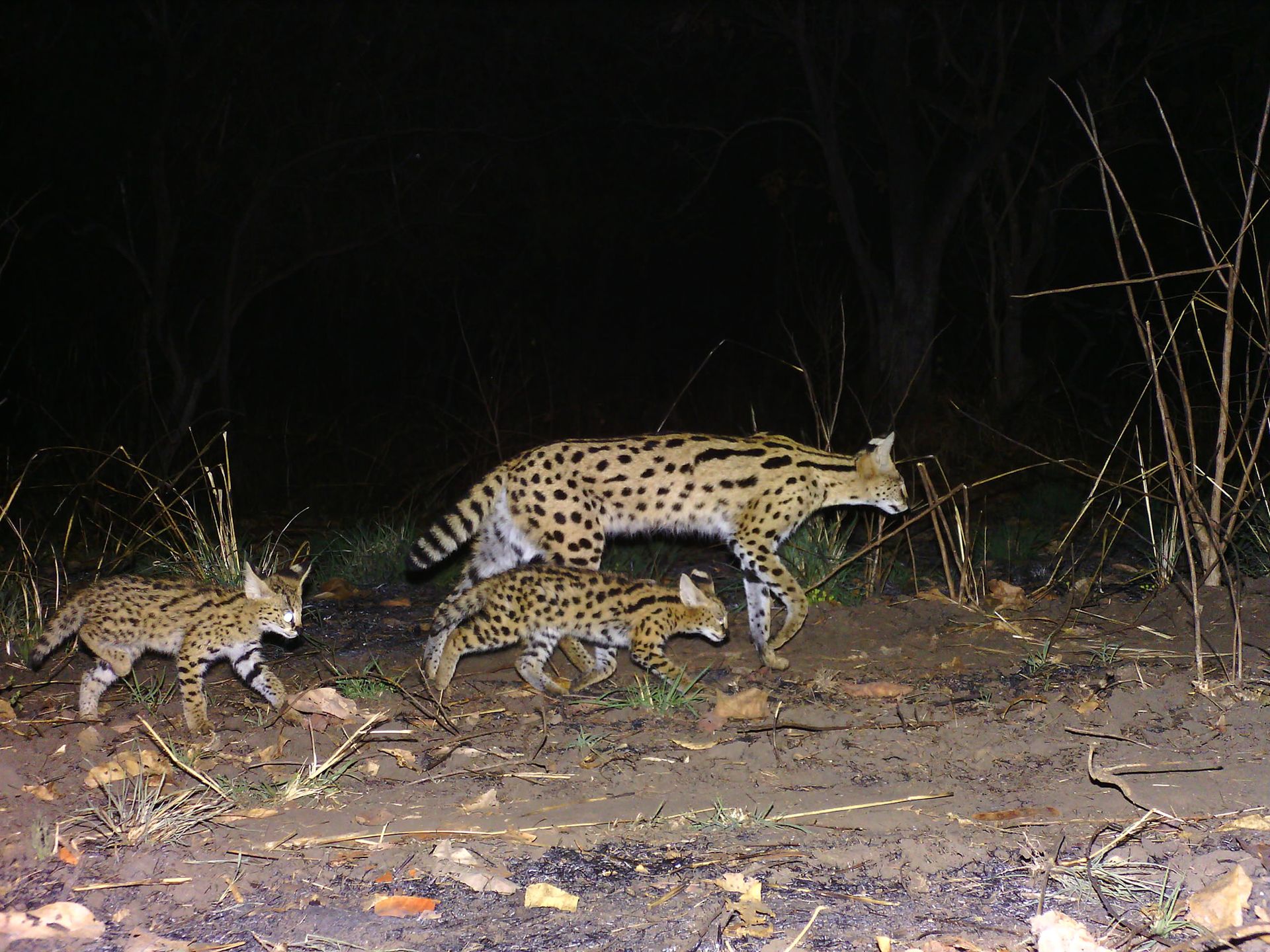
Over 300 custom-made camera traps were deployed across an area roughly the size of Cape Verde in Tanzania, as part of a conservation project by Panthera. This effort captured over 150,000 images, providing valuable insights into the diverse wildlife of the region. For the first time, the project documented servals with a rare coat pattern, as well as aardwolves, bat-eared foxes, and springhares in western Tanzania.
Additionally, the data revealed dwindling lion populations in certain reserves. Panthera's lead scientist, Paolo Strampelli, explained that camera traps are custom-made in-house, called PantheraCams, specifically designed for wild cat monitoring. The positioning of each trap is a meticulous process, starting with satellite imagery to create a grid design, followed by field adjustments based on habitat features and movement pathways.
The traps are highly durable, able to withstand harsh weather conditions, though they occasionally fall victim to wildlife like elephants and hyenas. Panthera's camera traps serve as an invaluable tool for conservationists, offering critical data to guide management strategies, monitor key species, track threatened wildlife, and map mammal distributions.
Written by urgent.news from Digital Camera World's reporting — not their text. Machine-written — may contain errors; check the original before relying on it.