The U.S.-China relationship is on ‘tactical autopilot’ after the Xi-Trump summit. Maybe that’s not so bad
The two countries keep pulling apart, but a summit short on substance suggests that Beijing and Washington want stabilization, not a clean break.
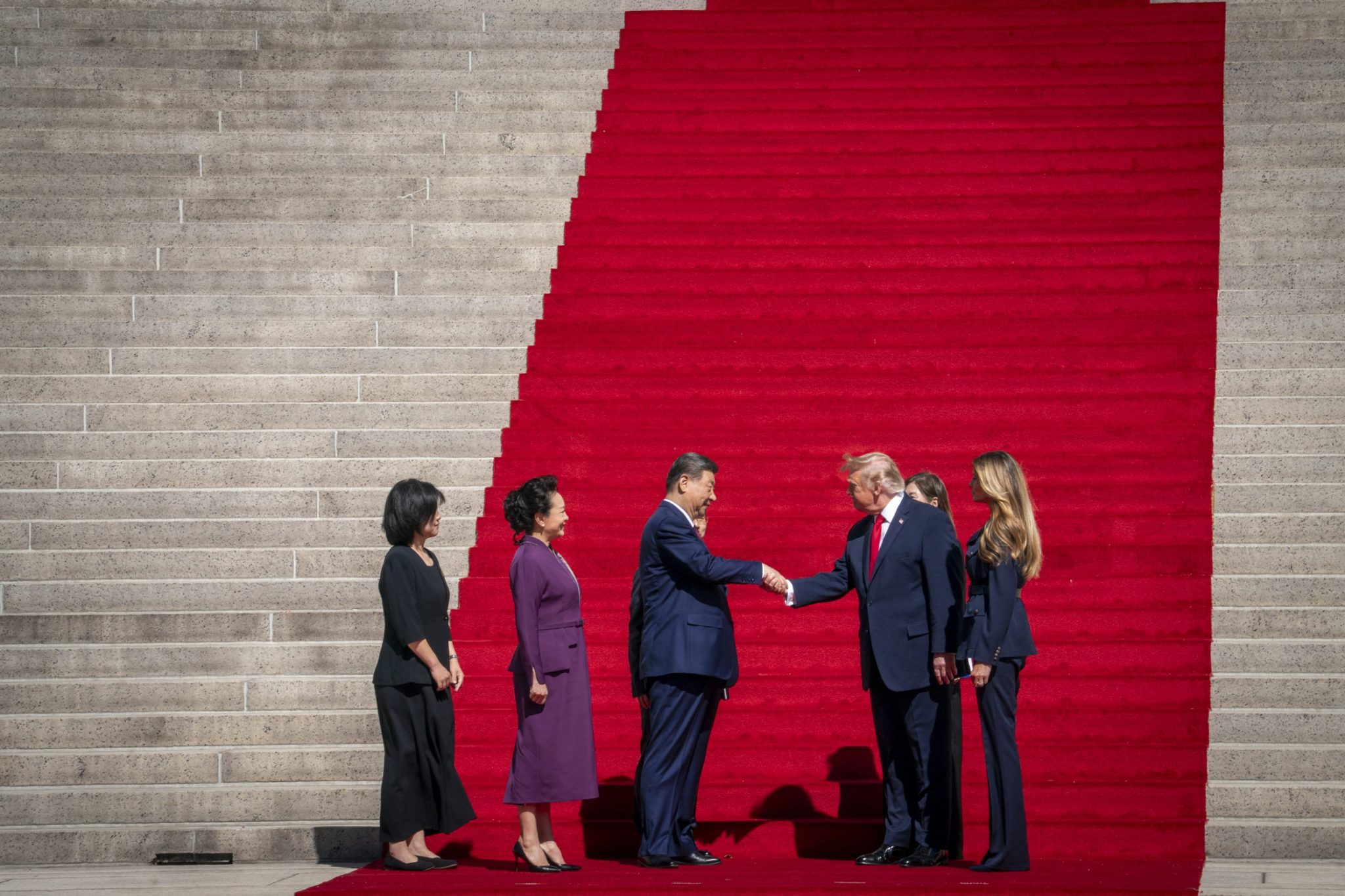
The recent visit of Chinese President Xi Jinping to the United States has raised questions about the future of the U.S.-China relationship. During his three-day state visit, Xi met with U.S. President Donald Trump, who hosted him at a state dinner and showed him key historical documents. Despite the expectations of few observers that the summit would yield significant results, it seems that the relationship is settling into a state of tactical autopilot.
The summit primarily resulted in an extension of the existing tariff truce, with both sides agreeing to maintain lower tariffs on non-sensitive goods for another two months. They also set up new crisis communication channels between their militaries and agreed to import 10 million tons of coal annually from each other over the next two years.
The U.S. announced tariffs on 77 goods, while China reduced tariffs on 1,619 product categories, including agricultural products, timber, seafood, dairy products, and medical equipment.
However, the summit did not mark any major breakthroughs or concessions from either side. Issues such as export controls on U.S. semiconductors and Chinese rare earths, investment between the two countries, and the U.S. stance on Taiwan remained unresolved. Despite these limitations, the relationship is expected to benefit from better stability, as both countries strive to decouple from one another.
The visit comes as the U.S. has imposed several new barriers targeting China, including bans on foreign-made humanoid robots and sanctions on Chinese universities, shipping companies, and refiners. President Trump's decision to halt a $14 billion arms package to Taiwan and his openness to Chinese car companies manufacturing in the U.S. have also created mixed signals in the relationship.
Looking ahead, both leaders have expressed optimism about future visits. Trump plans to return to China in November for the Asia-Pacific Economic Cooperation summit in Shenzhen, followed by Xi's trip to the U.S. in December for the G20 meeting in Miami. These visits are expected to set a positive tone, leaving the details to be worked out by other top officials. Analysts anticipate that the trade truce may be extended again next year, but they remain cautious about the prospects for cooperation on AI development.
Written by urgent.news from Fortune's reporting — not their text. Machine-written — may contain errors; check the original before relying on it.