The surprising origin of Tasmania's cherry blossom festival
Thirty years ago, a Japanese love of Tasmanian new-season soba noodles led to a cross-cultural gift of hundreds of cherry blossom trees, now celebrated at the annual Hanami Trail festival.
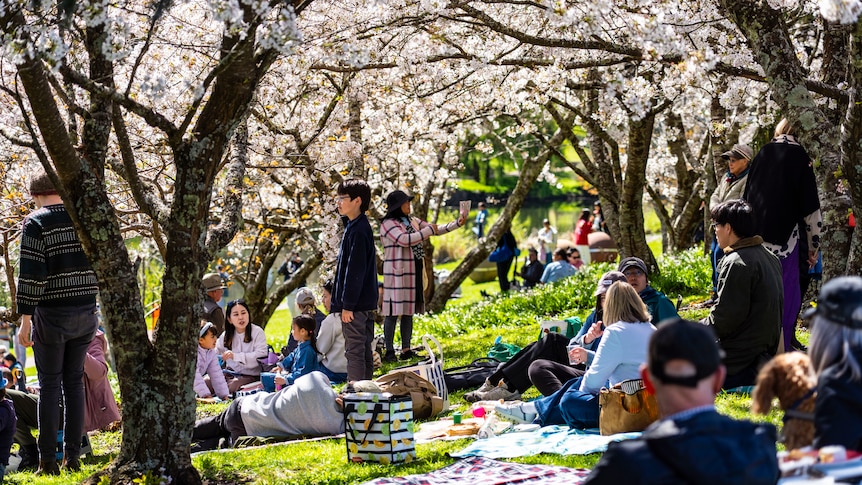
The annual cherry blossom festival in Deloraine, Tasmania, a small town in Australia's southernmost state, has a surprising origin rooted in Japan's love for "shin soba," or new-season noodles. Thirty years ago, a Japanese businessman named Rick Shiratori, who had studied in Australia, gifted three hundred cherry blossom trees to Deloraine after noticing the potential for growing buckwheat in the region.
This gesture aimed to provide Japan with a steady supply of fresh buckwheat, used to make the popular Japanese noodles, and to create an annual festival known as the Hanami Trail. The festival, now in its fifth year, attracts around 200 people each year who celebrate the cherry blossoms through various cultural activities such as martial arts, drumming, and bamboo flute performances.
For the local Japanese community in Tasmania, the festival serves as an opportunity to come together and celebrate their heritage. The success of the buckwheat cultivation in Tasmania relies on the unique reversed seasons, allowing locals to enjoy fresh "shin soba" twice a year.
Written by urgent.news from ABC News AU's reporting — not their text. Machine-written — may contain errors; check the original before relying on it.