'The right diagnosis is unbelievably powerful': It can take years to diagnose rare diseases, and scientists are trying to fix that
Tens of millions of Americans live with rare or undiagnosed diseases. These scientists are working to deliver them better diagnostics and treatments.
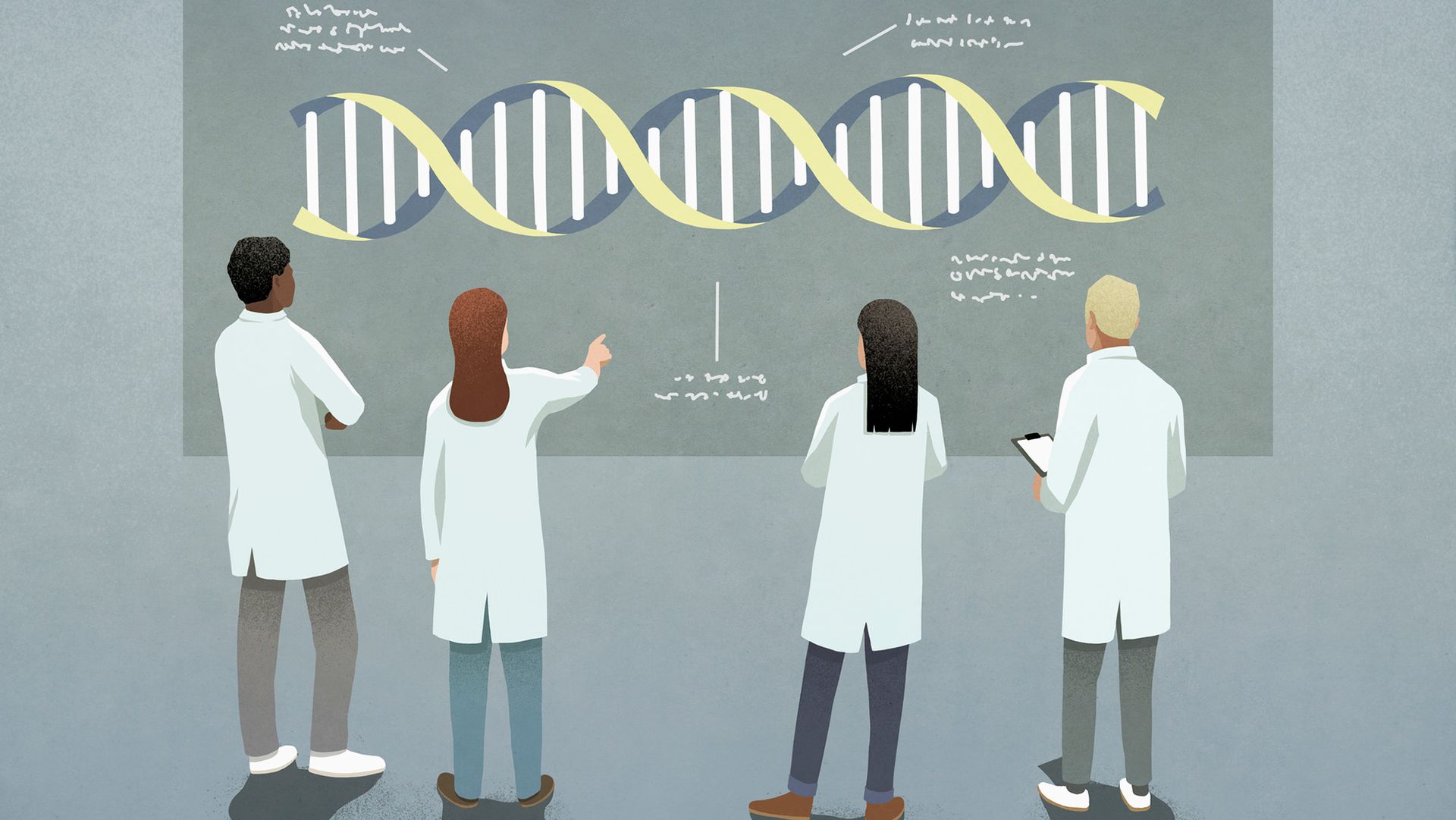
Millions of Americans live with rare diseases, which often go undiagnosed for years. Doctors encounter 12 specialists on average before arriving at a diagnosis, a process that may involve incorrect treatments. Dr. Ada Hamosh, a geneticist, emphasizes that the right diagnosis is incredibly powerful, even if it can't lead to a cure.
Danielle Carnival, CEO of the Undiagnosed Diseases Network Foundation, notes that genetic testing could speed up rare disease diagnosis, potentially affecting the majority of these conditions, most of which are genetic. With the availability of affordable genetic testing and whole genome sequencing, researchers are now better equipped to understand rare and ultra-rare diseases.
Currently, over 10,000 rare diseases are documented, and each year, around 250 new ones are discovered. While each individual disease impacts few people, collectively, more than 30 million Americans have a rare or undiagnosed condition. Genetic factors account for 80% of rare diseases, with the remaining 20% resulting from environmental factors.
These diseases often go unrecognised, leading patients to receive multiple diagnoses instead of one. The search for a diagnosis can be isolating and frustrating, as patients may hear dismissive remarks about their symptoms being "normal." However, the breakthroughs in genetic testing could revolutionise the diagnosis and treatment of rare diseases, offering hope to millions of individuals affected by these conditions.
Written by urgent.news from Live Science's reporting — not their text. Machine-written — may contain errors; check the original before relying on it.