Thai court dismisses petition challenging legality of 2026 election
BANGKOK: Thailand’s Constitutional Court on Monday dismissed a petition challenging the legality of February’s general election, ruling that the ballot papers used did not violate voter secrecy.
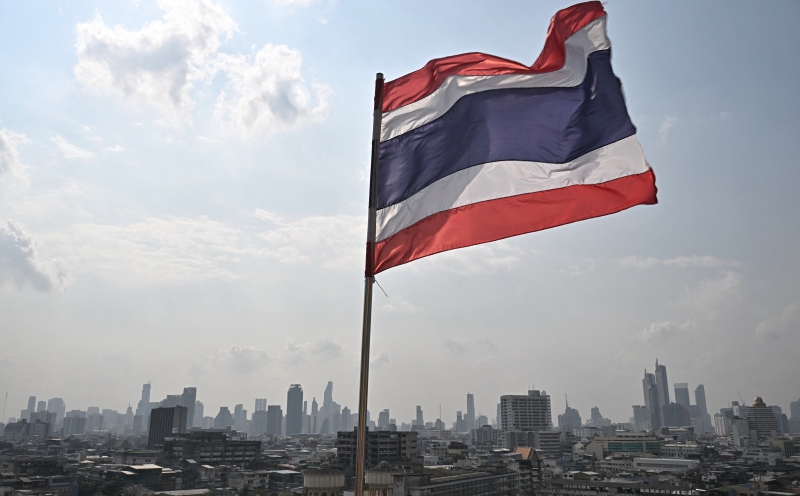
The Constitutional Court of Thailand has dismissed a petition questioning the legitimacy of the February 2026 general election. The court determined that the ballots used did not violate voter secrecy. Over 38 million Thais participated in the election, which was won by Prime Minister Anutin Charnvirakul's Bhumjaithai Party, enabling them to form a coalition government with a majority in parliament.
The ruling prevents the need for a re-run election and is a relief for Anutin, whose party faces challenges related to a lack of public trust, economic stagnation, and allegations of corruption and involvement in Senate selection rigging, claims the party denies. This decision was heavily anticipated in Thailand, where the Constitutional Court has been a major factor in the country's political landscape over the past two decades, dissolving major parties, nullifying two elections, and ousting several governments and prime ministers.
The current court case originated from a petition by the ombudsman arguing that barcodes and QR codes on ballots could be used to identify individual voters. The Election Commission argued that these codes were used for security reasons and that voting would remain anonymous as long as ballot stubs, stored separately, were not accessed.
The court found that while the codes could potentially identify voters, they were only for administrative purposes by election officials and there was no intent to trace specific votes. They also stated that the ballot storage, stubs, and voter lists were stored securely. Despite this, the court advised against using such codes in future elections.
The court's decision echoes past rulings, including the annulment of the 2006 election due to polling booth arrangement compromising secrecy and the 2014 election cancelation after protests blocked polling stations in Bangkok and the south, preventing nationwide voting on the same day. These decisions occurred during periods of intense political unrest that culminated in military coups in the same year.
Written by urgent.news from New Straits Times's reporting — not their text. Machine-written — may contain errors; check the original before relying on it.