SpaceX launches Starship on giant rocket's first flight to orbit
The Super Heavy-Starship rocket's 14th test flight, the first boosting the upper stage to orbit, marked a major milestone for both SpaceX and NASA.
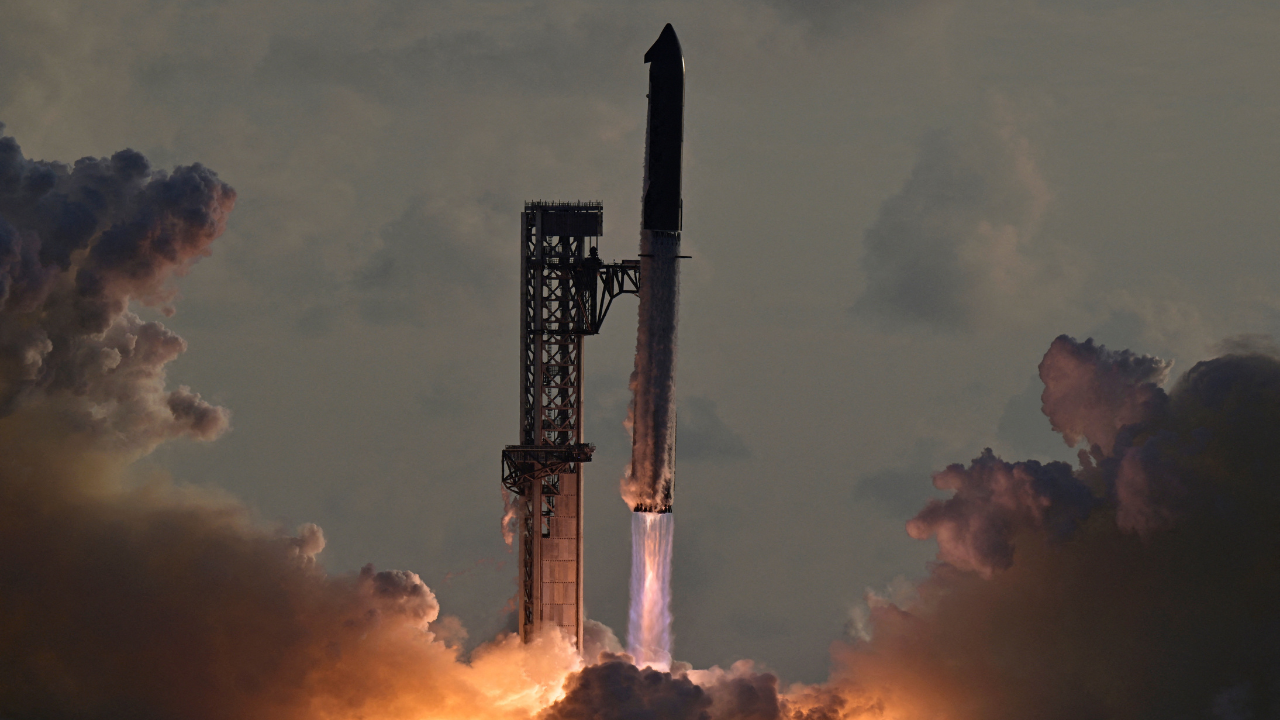
On Monday, SpaceX launched its Super Heavy-Starship on its inaugural flight to orbit, marking a significant milestone in the development of the world's most powerful rocket for commercial flights and NASA's moon missions. During the ascent, the Starship upper stage experienced an engine failure, but flight controllers determined it was safe to continue to orbit. This flight follows 13 successful suborbital test flights, and its success is crucial for both SpaceX and NASA.
The primary objective of this mission is to demonstrate SpaceX's ability to successfully launch and return the Starship to Earth, a feat that will bolster confidence in the system's readiness for NASA's planned Artemis moon landing in 2028. To achieve this, multiple Super Heavy-Starship tanker flights will be required to fuel the lander for its journey to the moon.
Once in orbit, the Starship will deploy 26 third-generation Starlink internet satellites, boosting SpaceX's constellation and paving the way for future test flights to test autonomous orbital refueling, a feat never before attempted at the scale required for Artemis missions.
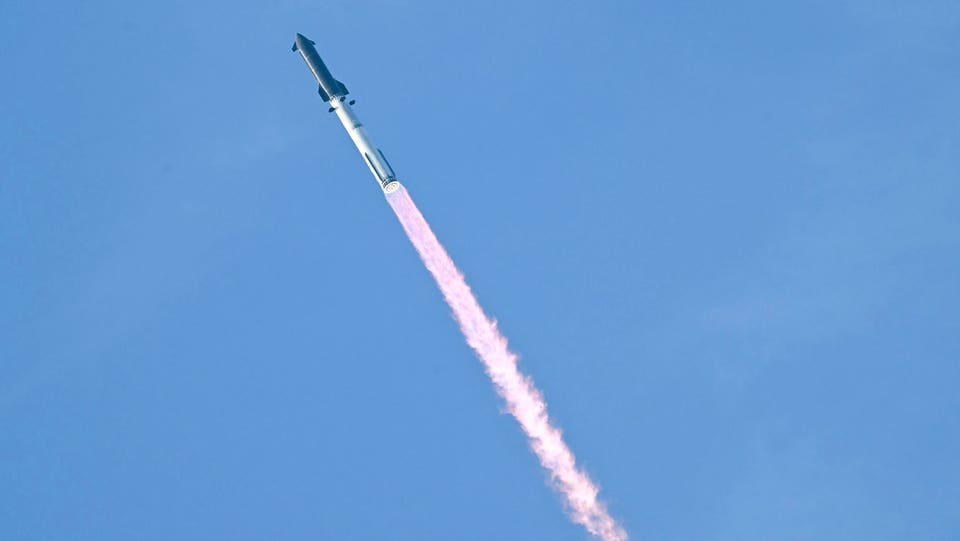
The Super Heavy booster, powered by 33 methane-burning Raptor engines, ignited at 8:49 a.m. EDT from SpaceX's Starbase launch site on the Texas Gulf Coast. Within two minutes and 20 seconds, the first stage engineers began shuttling down while the Starship's six Raptor engines ignited for the hot staging maneuver. After the booster separated, it was programmed to flip around, restart its engines, and fly back to the Gulf Coast for a controlled splashdown. Meanwhile, the Starship continued its ascent toward a 180-mile-high orbit.
Written by urgent.news from CBS News's reporting — not their text. Machine-written — may contain errors; check the original before relying on it.