Southwest and United don't want Boeing's newest 737 MAX software on their new planes
The problem can arise after a flight crew abandons a landing and changes the aircraft's planned route. Under certain conditions, an automated navigation feature may not work as intended. Pilots could then have to fly without some autopilot functions until they restore the system or continue using manual procedures. Read Entire Article
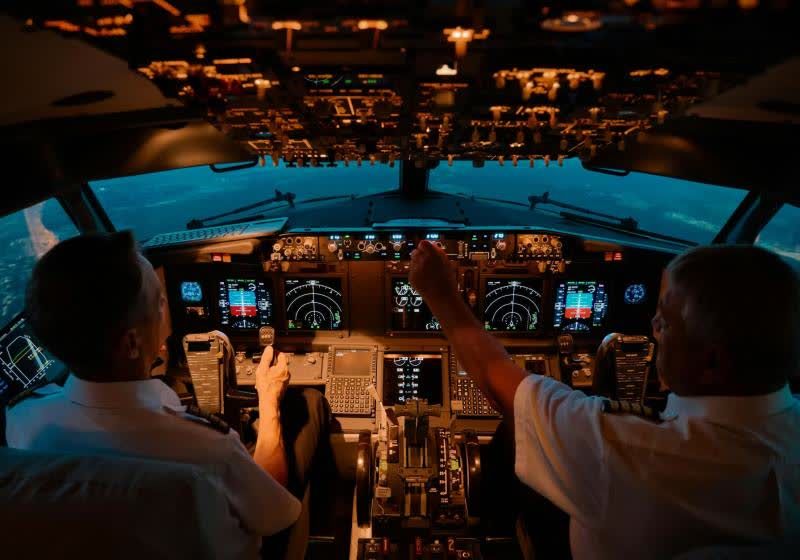
Southwest Airlines and United Airlines have requested Boeing to supply newer 737 MAX aircraft equipped with a previous version of software after the manufacturer discovered a glitch in an automated navigation system. Neither airline currently operates planes with the affected software, according to their statements. However, both airlines have informed Boeing that they do not wish the software to be installed on their upcoming aircraft.
The issue may occur when a flight crew aborts a landing and alters the plane's intended route. In certain circumstances, an automated navigation feature may not function as expected. Pilots could subsequently need to fly without certain autopilot functions until the system is restored or they resort to manual procedures, which can increase workload during a crucial flight phase.
A missed approach typically involves departing from the runway, navigating a new route, and managing the aircraft at a relatively low altitude. Weather or other operational factors may also be involved. Boeing informed 737 MAX operators about the issue in late August, stating that it did not view the problem as a safety risk at the time.
The company has since initiated a formal safety review and shared the findings with the Federal Aviation Administration (FAA), which is currently investigating. Boeing has reminded operators of existing procedures to safely handle such situations and is developing a software update to permanently address the problem. The company is also working with airlines to enable pilots to re-enable the affected navigation function.
Boeing expects more guidance by November and anticipates a software update in early 2028. GE Aerospace, which developed the software in question, is collaborating with Boeing and will support the FAA's review. The number of MAX aircraft with the software installed is unknown, but airlines are not obligated to inform the manufacturer when they update cockpit software.
Airlines including Alaska, American, Southwest, and United operate MAX jets, and none of their active aircraft use the problematic software version. Boeing has advised carriers to revert to an earlier version. The software issue could potentially impact Boeing's plans for its latest MAX variants, as the FAA approved the smaller MAX 7 for passenger service last month with the newer software installed.
Boeing Chief Executive Kelly Ortberg anticipates the MAX 10 to receive approval soon. However, if the FAA determines the glitch is an unsafe condition that needs rectification, it could affect MAX 10 certification. Southwest has a specific interest in the outcome, as the carrier has been anticipating the MAX 7 for years and plans to commence flying it next year.
Federal regulations typically require newly manufactured aircraft to match the configuration approved during certification. It remains uncertain whether new MAX 7s could be delivered with the earlier software requested by Southwest. Delta, United, American, and Alaska have MAX 10s on order. Boeing learned of the issue from a MAX operator in November 2024 and initially deemed the report insufficient for a safety review.
The matter comes amid ongoing scrutiny of the MAX program following crashes in 2018 and 2019 that claimed 346 lives. Those accidents involved the Maneuvering Characteristics Augmentation System (MCAS), which repeatedly pushed the planes' noses down. Boeing later modified the system and added safeguards before the MAX returned to service.
Written by urgent.news from TechSpot's reporting — not their text. Machine-written — may contain errors; check the original before relying on it.