South Tongu Records Rise in Teenage Pregnancy
The South Tongu District in the Volta Region has seen a notable rise in teenage pregnancy cases during the second quarter of 2026. According to reports, about 190 teenage pregnancy cases were recorded across various health facilities from January to June 2026, compared to 166 cases during the same period in 2025. Traditional authorities have […]
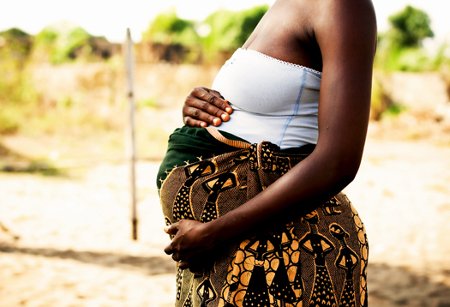
In the South Tongu District, located in the Volta Region of Ghana, teenage pregnancy rates have increased significantly during the second quarter of 2026, according to reports. From January to June 2026, there were 190 recorded cases, up from 166 cases during the same period in 2025. This spike in teenage pregnancy cases has raised concerns among public health officials and traditional leaders alike, who believe it poses a threat to sustainable human development in the region.
Central Tongu District, where South Tongu is situated, has a poverty index of 36.0%, according to the Ghana Statistical Service. The majority of residents are rural dwellers grappling with multidimensional poverty. Factors such as poverty, drug abuse, inadequate sexual education, sexual and gender-based violence, and unprotected sexual intercourse have consistently contributed to the high rates of teenage pregnancy in the district.
Public Health Nurse Rachelle Elikem Zewu from South Tongu District expressed worry over the statistics, stating that the district has surpassed the national threshold for teenage pregnancy, which is set at 11.5%. She emphasized the need to address the issue by increasing the knowledge of teenagers about their well-being and how to navigate the challenges of adolescence.
Public Health Nurse Zewu outlined an intensive adolescent education drive, in collaboration with stakeholders, aimed at tackling teenage pregnancy and other related issues such as substance abuse.
Traditional authorities in the area have also expressed serious concerns about the rising teenage pregnancy rates. The Queenmother of Fevie, Nanega Mariama Fomedigbe II, pointed out that ignorance, joblessness, and indiscipline are among the identified causes of the problem. She stressed the importance of tackling these factors to prevent young people from succumbing to peer pressure and engaging in illicit drug use and sexual activities.
Written by urgent.news from MyJoyOnline Ghana's reporting — not their text. Machine-written — may contain errors; check the original before relying on it.