Singapore semiconductor industry commits over S$500m to R&D as global chip race intensifies
This exceeds the more than S$400 million spent on such efforts between 2020 and 2025, according to the Agency for Science, Technology and Research (A*STAR).
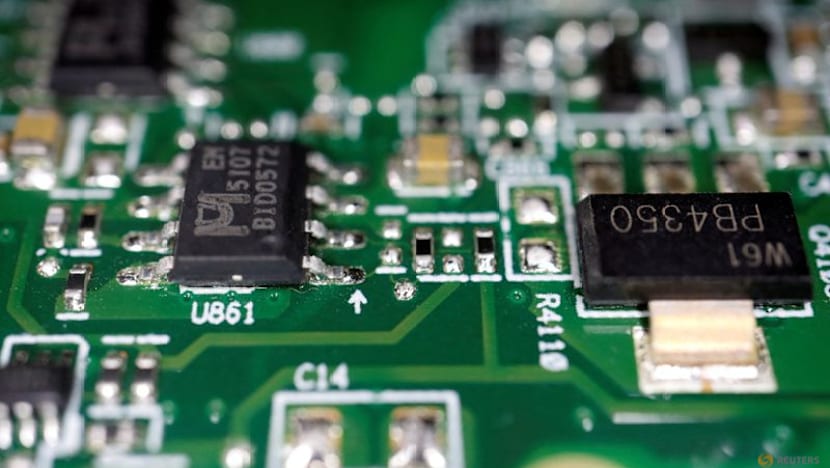
The semiconductor industry in Singapore has pledged over S$500 million (US$390 million) to research and development (R&D) projects over a five-year period starting in 2026, according to the Agency for Science, Technology and Research (A*STAR). This exceeds the more than S$400 million invested in such efforts from 2020 to 2025, according to A*STAR.
As Singapore aims to boost its standing in advanced chip technologies and help local firms compete in the capital-intensive sector, Professor Yeo Yee Chia, A*STAR’s deputy chief executive for innovation and enterprise, noted that Singapore boasts "one of the most well-organized and coordinated ecosystems" globally.
Singapore currently accounts for approximately one in every ten chips produced globally, a position attained through years of investment in semiconductor manufacturing and R&D. However, the growing influence of artificial intelligence presents new challenges for chipmakers, as the traditional method of enhancing computing performance by packing more transistors onto a chip (Moore's Law) becomes increasingly difficult as features shrink to atomic scales.
In response, Singapore has been developing alternative technologies to improve computing performance, such as advanced packaging, heterogeneous integration, chiplets, photonics, and specialized chips for data centers.
A*STAR is also working on providing its infrastructure and talent to help small- and medium-sized enterprises (SMEs) in Singapore's semiconductor sector accelerate their progress from research to development to manufacturing. These efforts aim to give SMEs an unfair advantage and lower the barriers to their R&D and innovation capabilities.
Meanwhile, companies like MetaOptics, a Singapore-based metalens firm, have already benefited from A*STAR's support in terms of talent, intellectual property, and R&D efforts. However, finding customers for niche technologies remains a challenge for some semiconductor companies, as they strive to translate breakthroughs into sustainable businesses.
Written by urgent.news from Channel News Asia's reporting — not their text. Machine-written — may contain errors; check the original before relying on it.