Restorers expose trove of 16th-century nude murals in Rome that were covered by disapproving nuns
Hidden for 300 years, the paintings inside Italy's Villa Silvestri Rivaldi are by some of the leading artists of the day
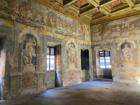
Hidden beneath layers of plaster for centuries, a remarkable collection of 16th-century nude murals adorned the walls of the Villa Silvestri Rivaldi in Rome. The site, once a grand residence of the powerful Silvestri family, was later acquired by a religious order who deemed the depictions of nude figures from non-Christian mythology as offensive. As a result, they covered the vibrant frescoes, obscuring centuries of artistic achievement.
The villa, built by Eurialo Silvestri in the mid-16th century, was intended to bolster his ambitions of becoming a cardinal. However, when his plans fell through, the villa changed hands over the years, ultimately becoming a center for community arts and political activism. In recent years, a €25 million restoration project has begun in earnest, revealing the villa's hidden treasures.
Research conducted by a team from the Istituto Centrale per il Restauro has uncovered a wealth of fascinating details. A team of conservators, led by Paola Mezzadri, has been painstakingly removing centuries of overpainting to reveal the original artwork. In the Hall of Divinities, monumental semi-nude goddesses, inspired by the Last Judgment painted by Michelangelo, emerge from behind layers of paint.
The Hall of the Emperors features battle scenes and portraits of emperors such as Titus and Hadrian, while the Hall of Cupid and Psyche still awaits thorough investigation.
The restoration project is a slow process, both due to the complexity of the work and funding constraints. However, the team is employing innovative techniques such as lasers and 'green', water-based cleaning methods. Community involvement is also a key aspect of the project, with local residents who remember the villa in the mid-20th century being actively engaged in the restoration process.
Mezzadri emphasizes that the project is still in its early stages, but it has the potential to become one of Rome's most significant museums, comparable to the likes of Villa Borghese and Castel Sant'Angelo. The circular tomb, which has served various purposes throughout history, will also be part of this revitalization, reopening as a museum following its own restoration.
Written by urgent.news from The Art Newspaper's reporting — not their text. Machine-written — may contain errors; check the original before relying on it.