'Positive and constructive' US-Iran talks continuing through mediators, including on nuclear issues: report
Despite President Donald Trump's rejection of Iran's proposal , “positive and constructive” US-Iran discussions were continuing through mediators, including on nuclear issues, Axios reported. The report indicated that talks between Washington and Tehran are "still possible" despite Trump's "no" , and saying Iran had “overplayed its hand”. Qatar has emerged as the principal intermediary in the…
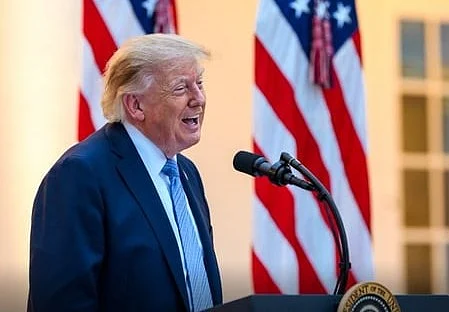
The recent talks between the United States and Iran have remained "positive and constructive" despite President Donald Trump's rejection of Iran's proposal, according to a report by Axios. Mediators, including Qatar, have been facilitating these discussions, which also cover nuclear issues. Qatar's prime minister met with Iranian President Masoud Pezeshkian in New York, and subsequent meetings took place to finalize a compromise proposal for both sides.
Initially, Trump had rejected Iran's proposal outright, but later comments suggest he still hopes to resume negotiations. Direct talks between the two nations could potentially resume as early as Monday, September 28, 2026, with Qatar continuing its mediation efforts. Iran has indicated it will await a definitive US position through mediators before deciding its next move.
Analysts view the dispute shifting from the possibility of diplomacy to what each side is willing to compromise on to reopen the Strait of Hormuz. The US administration believes its naval blockade and economic sanctions on Iran are effective in squeezing the country's economy. Iran, on the other hand, has threatened a "doomsday war" but remains open to diplomacy.
The situation can be seen as a contest over who needs the deal more urgently. Iran seeks relief from US sanctions, restored oil revenues, reduced military pressure, and protection of its economic access to the outside world. The US aims to maintain unrestricted commercial navigation through Hormuz, limit Iran's nuclear program, and ensure continued pressure on Tehran until its objectives are met. Gulf states also desire safe shipping, stable oil exports, and an end to attacks on their territory and infrastructure.
Despite Iran's ability to disrupt Hormuz, which is a critical chokepoint for the global economy, Washington appears increasingly confident that managing a partially disrupted Hormuz is less costly than Iran's demands for reopening it. While Iran has not lost its leverage, the balance of power may be changing. President Trump's latest position implies he wants Hormuz open but does not accept Iran's terms for doing so.
With Trump expecting more talks this week, the focus now shifts to whether the US and Iran can agree on a mutually acceptable deal.
Written by urgent.news from Gulf News's reporting — not their text. Machine-written — may contain errors; check the original before relying on it.
Also reported by 4 other outlets
- Oil heads higher as US-Iran peace talks in stalemate brecorder.com
- Oil heads higher as US-Iran peace talks in stalemate myjoyonline.com
- Oil heads higher as US-Iran peace talks in stalemate businesstimes.com.sg
- Oil heads higher as US-Iran peace talks in stalemate channelnewsasia.com