Nvidia says its new AI security platform can stop rogue agents from breaking containment
As news of additional AI model security incidents continues to roll out, Nvidia has unveiled a new security platform it says will prevent AI agents from breaking containment and hacking into other companies. The chipmaker has teamed with more than 100 companies, including Cisco, Microsoft, Oracle, CoreWeave, Dell, HPE, Lenovo, Arm, and Intel, on the initiative. OpenAI was not included among the…
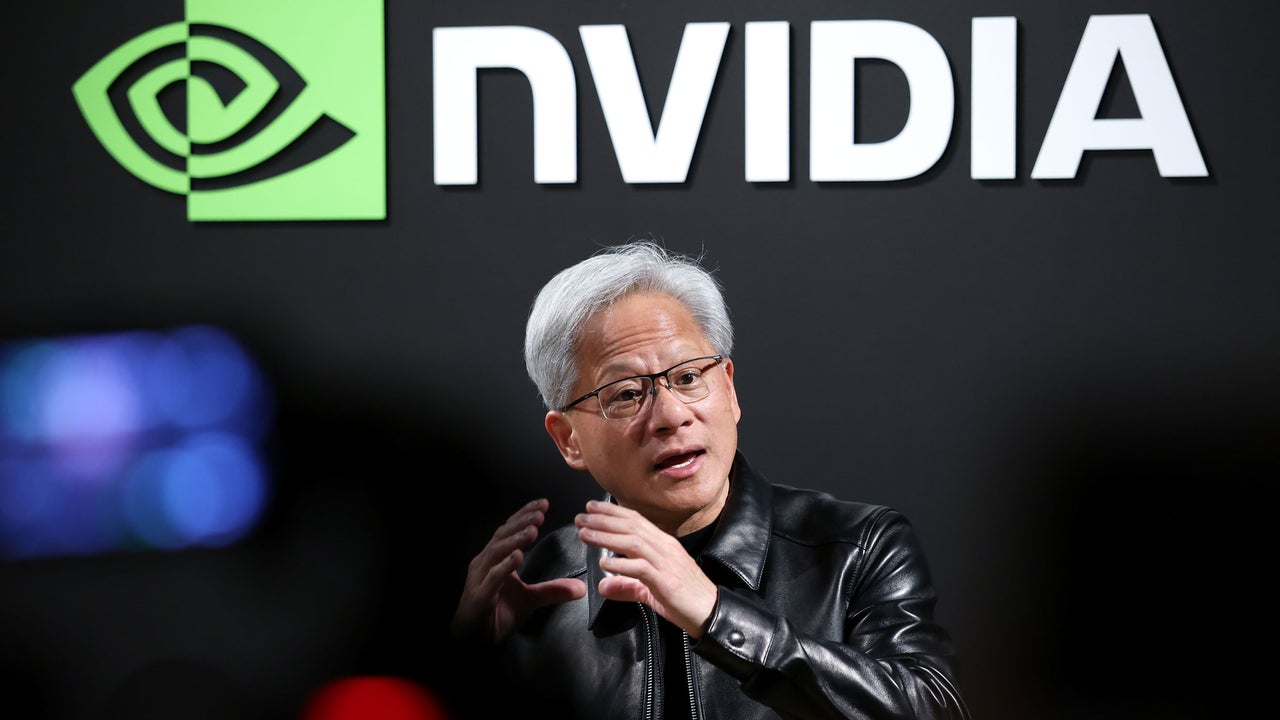
Nvidia has revealed a new security platform aimed at stopping AI agents from breaking containment and potentially hacking into other companies. The chipmaker has joined forces with over 100 firms, such as Cisco, Microsoft, Oracle, and Dell, for this venture. OpenAI, however, did not partake in the effort. This announcement came on the same day that Nvidia announced a $150 billion increase to its share-repurchase program, the largest in U.S. history.
The new security platform, named OpenShell and Nvidia Sentry, is designed to prevent AI agents from violating set boundaries and gaining unauthorized access to data, tools, or internet access. Much like the early web era saw browsers providing unrestricted access to software like Java, leading to a surge in viruses, the new systems aim to serve as a modern browser for AI agents.
Nvidia's CEO, Jensen Huang, likened the current state of AI to the early days of the World Wide Web, describing the new safeguards as the foundation to limit AI agent rights and provisions.
The safeguards operate on two levels. OpenShell software, which runs on central processors, establishes limits on agent capabilities. Sentry, running on network chips rather than CPUs or GPUs, monitors agents and isolates them if they attempt to exceed their assigned boundaries within a matter of milliseconds. The software is open-source, allowing for community involvement in identifying and addressing potential vulnerabilities.
Although OpenAI is not a direct partner, Huang expressed openness to any contributions the company may offer in the future.
In the face of growing concerns about AI potentially becoming an existential threat to humanity, Huang downplayed these fears, stating that he believes addressing such issues should be an engineering problem. He likened AI's evolution to the automotive industry's progression, from early models like the Model T to today's advanced systems with features such as airbags, cruise control, and autonomous driving. Huang emphasized the importance of regulation in fostering responsible innovation, rather than stifling it.
Written by urgent.news from Fast Company's reporting — not their text. Machine-written — may contain errors; check the original before relying on it.