Nikkei, Yen, Hang Seng: Asienbörsen schließen im Minus – Steigende Ölpreise lasten auf der Stimmung
Sorgen vor steigenden Zinsen und den geopolitischen Spannungen im Nahen Osten haben die asiatischen Börsen belastet. Besonders in China ging es abwärts.
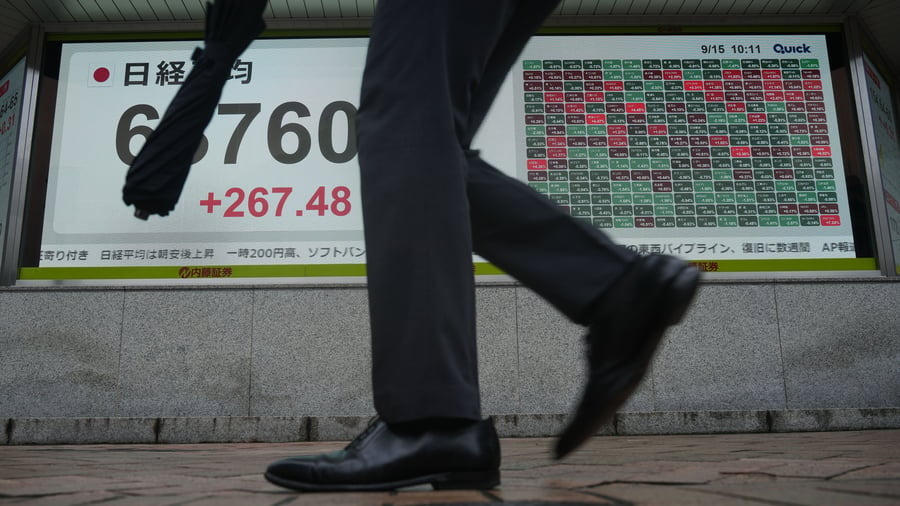
Asian stock markets closed in the red on Monday, with rising oil prices weighing on sentiment. The Nikkei 225 index in Tokyo fell by 0.7%, closing at 65,878 points. The broader Topix index also posted a slight decline of 4,112 points. Chinese markets saw significant declines as well, with the Shanghai Composite and the Shanghai and Shenzhen indices dropping by 2.5% and 2% respectively.
The CSI-300 index, comprising the 300 largest Chinese companies on mainland exchanges, fell by 2.2% to 4,340 points. The focus in Japan turned to monetary policy, with the Bank of Japan (BOJ) considering more rapid interest rate hikes due to rising inflation risks. A bank official stated that "the pace of interest rate hikes could be quicker than markets anticipate."
The persistent weakness of the yen, coupled with the conflict in the Middle East driving up energy import prices, contributed to the price rise. This led to a surge in bond yields, increasing the cost of financing globally and particularly burdening tech stocks, which are currently investing billions in artificial intelligence (AI) expansion.
In China, weak economic data took a toll on sentiment as industrial profits growth slowed further in August. Notable winners included computer and electronics manufacturers, whose profits surged 110% in the first eight months due to the AI boom. In contrast, the beverage industry saw a 34.7% decline in profits.
Written by urgent.news from Handelsblatt's reporting — not their text. Machine-written — may contain errors; check the original before relying on it.
This story
This is one outlet's version. Read the fullest account.