New formulation helps RNA vaccines withstand high temperatures
MIT engineers have found a way to stabilize the lipid nanoparticles used to deliver RNA vaccines, which could allow the vaccines to be more widely distributed.
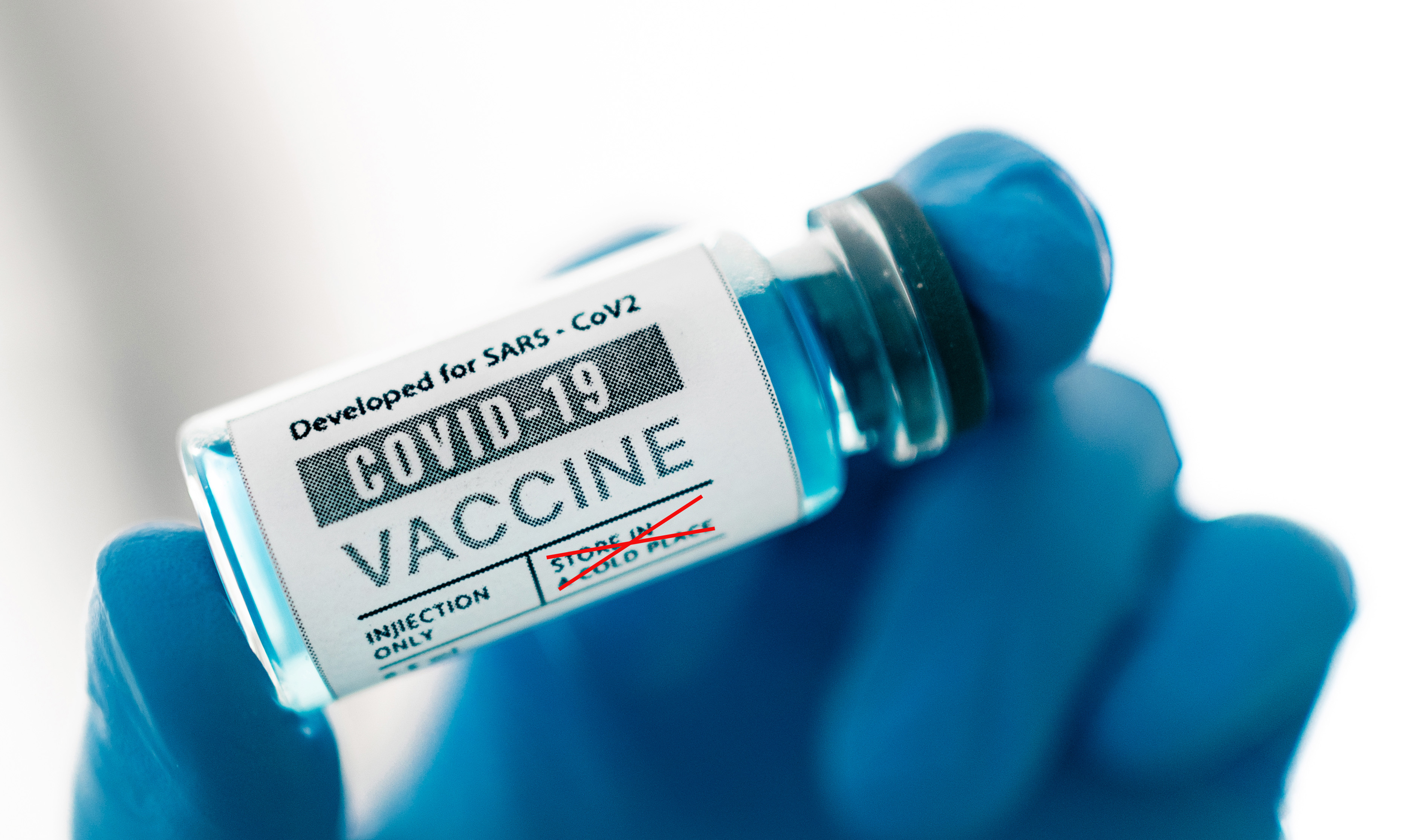
RNA vaccines, already proven effective against Covid-19, are being developed for various diseases, including cancer. However, they require ultracold storage, typically between -20 to -80 degrees Celsius, which hinders distribution to regions lacking cold-storage facilities. Researchers at MIT found a solution to this limitation by tweaking the formulation of lipid nanoparticles (LNPs) used in these vaccines, making them more heat-resistant.
The team, led by Ana Jaklenec and Robert Langer, used an AI algorithm to predict optimal formulations for LNPs, cutting down the number of experiments needed. This approach enabled the vaccines to remain stable at room temperature for up to a year or at nearly 100 degrees Fahrenheit for two months. When tested on mice, the Covid-19 vaccine carried by these particles generated a strong immune response comparable to Moderna's RNA Covid-19 vaccine.
This innovation could enable vaccines to be administered through novel methods, such as microneedle patches, which contain hundreds of vaccine-filled microneedles that dissolve upon application to the skin, releasing the vaccine.
Written by urgent.news from MIT News AI's reporting — not their text. Machine-written — may contain errors; check the original before relying on it.
This story
This is one outlet's version. Read the fullest account.