New formulation helps RNA vaccines withstand high temperatures
MIT engineers have found a way to stabilize the lipid nanoparticles used to deliver RNA vaccines, which could allow the vaccines to be more widely distributed.
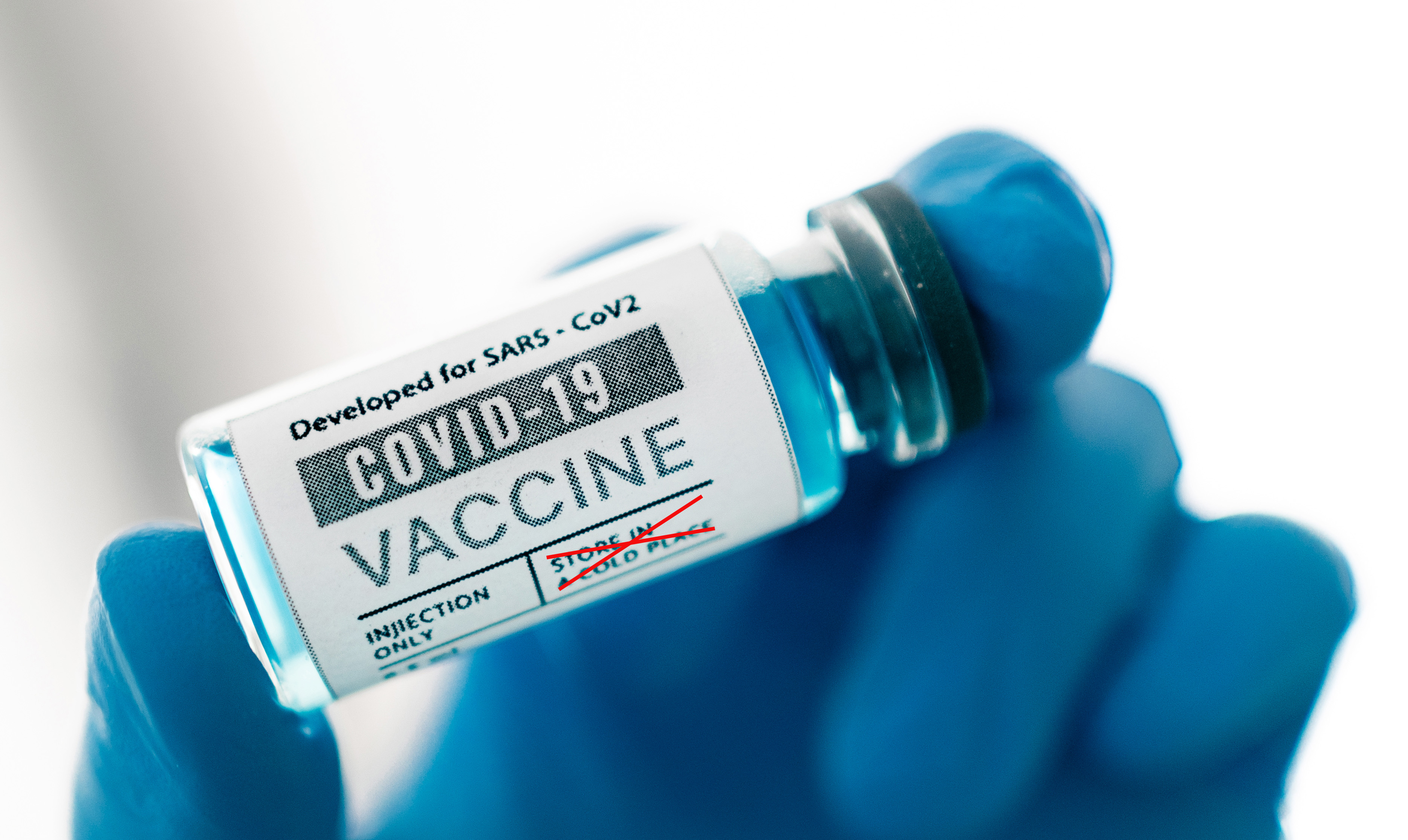
RNA vaccines, originally developed to combat Covid-19, are now being engineered to target various diseases, including cancer. However, these vaccines present a challenge due to their requirement for extreme cold storage. Researchers at MIT have developed a groundbreaking approach using an AI algorithm to stabilize RNA vaccines against heat, potentially changing the distribution and administration methods of these vaccines.
The MIT researchers utilized an AI algorithm, developed in collaboration with MIT's Computer Science and Artificial Intelligence Lab (CSAIL), to predict optimal formulations of lipid nanoparticles (LNPs) that can withstand high temperatures. The algorithm analyzed nearly 50 FDA-approved excipients, identifying five most effective ones for stabilizing LNPs similar to those used in Moderna's Covid-19 vaccine.
By employing this algorithm, the scientists significantly reduced the number of experiments required, which accelerated the vaccine development process.
The new heat-resistant formulation enables the storage of vaccines at room temperature for up to a year or at nearly 100 degrees Fahrenheit for two months without compromising stability. This breakthrough allows the distribution of vaccines in regions lacking cold-storage facilities and opens the door for novel administration methods, such as microneedle patches. These patches contain hundreds of vaccine-filled microneedles that dissolve upon application, releasing the vaccine into the skin.
The researchers demonstrated the effectiveness of their heat-resistant LNP formulation by vaccinating mice with the particles, followed by long-term storage. The mice exhibited immune responses comparable to those receiving Moderna's original LNPs. Additionally, they utilized the heat-resistant formulation to create solid microneedle patches capable of delivering a SARS-CoV-2 vaccine, showing promise for new and more accessible vaccine delivery methods.
Written by urgent.news from MIT News Research's reporting — not their text. Machine-written — may contain errors; check the original before relying on it.