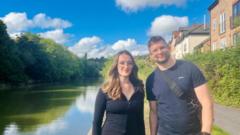
Nature spaces 'need to be next to where people live'
Campaigners are pushing for more wildlife-rich green spaces to be created within urban communities.
People should not have to venture far to enjoy the benefits of nature, according to conservationists who are campaigning for more wildlife-rich green spaces in urban areas. In Greater Manchester and north London, organisations and volunteers are converting former industrial land and neglected parks into habitats for wildlife and recreational areas for residents.
Research indicates that many people lack access to parks, woodlands, or wetlands within a 15-minute walk of their home, despite the proven health and wellbeing advantages of spending time in nature. Stephen Cartwright, a representative of the Lancashire Wildlife Trust, emphasized that nature reserves need to be located close to where people live, describing such sites as "scrappy bits of land."
He stated that to ensure wildlife thrives alongside expanding communities, access to nature must become a higher priority for policymakers and urban planners.
The Wildlife Trusts, a federation of 47 independent conservation charities across the UK, have called on the government to enhance people's access to nature. Meanwhile, a coalition formed by the Horticultural Trades Association and the Gardens Trust is advocating for trees, plants, gardens, and parks to be deemed essential infrastructure with long-term investment backing.
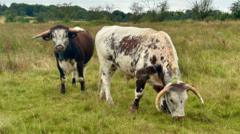
Various projects nationwide have already demonstrated that green spaces can be brought nearer to people. The Cutacre reserve, situated on the edge of Salford in Greater Manchester, is a prime example. Formerly an open-cast coal mine, this site has been transformed into meadows, wetlands, ponds, and grazing areas inhabited by species like grey partridge, lapwing, skylark, grasshopper warbler, and willow tit.
The reserve's close proximity to housing estates, industrial units, and communities has made it accessible to those who might otherwise not visit a nature reserve. Cartwright highlighted the reserve's ideal location, stating, "We need to bring reserves to them."
Alan Wright, a colleague of Cartwright, added that engaging people in nature is most effective when it occurs near where they reside. At the Lordship Recreation Ground in Tottenham, London, residents have spearheaded a transformation following decades of neglect and safety concerns. Once described by the park's former chairman, David Morris, as a "neglected and unsafe space with derelict buildings and little biodiversity," the park now boasts woodland, meadows, an orchard, food-growing areas, sports facilities, and a restored watercourse.
Funded with £7m in lottery and other grants, the Friends of Lordship Rec group manages the park in partnership with Haringey Council, securing its status as a site of nature conservation importance. Morris emphasized the positive impact of green spaces on both wildlife and residents, stating that being in nature yields immediate benefits.
The park now welcomes volunteers of all ages and hosts activities such as bat walks, birdwatching groups, and schoolchildren's events designed to foster a lifelong connection with nature.
Written by urgent.news from BBC Science's reporting — not their text. Machine-written — may contain errors; check the original before relying on it.