Malaysia waits until its durians are fully ripe — and fully smelly. China’s $7.5 billion market looks on hungrily
The prime Malaysian fruit’s shelf life is at most two to three days, a pungent, dated delicacy.
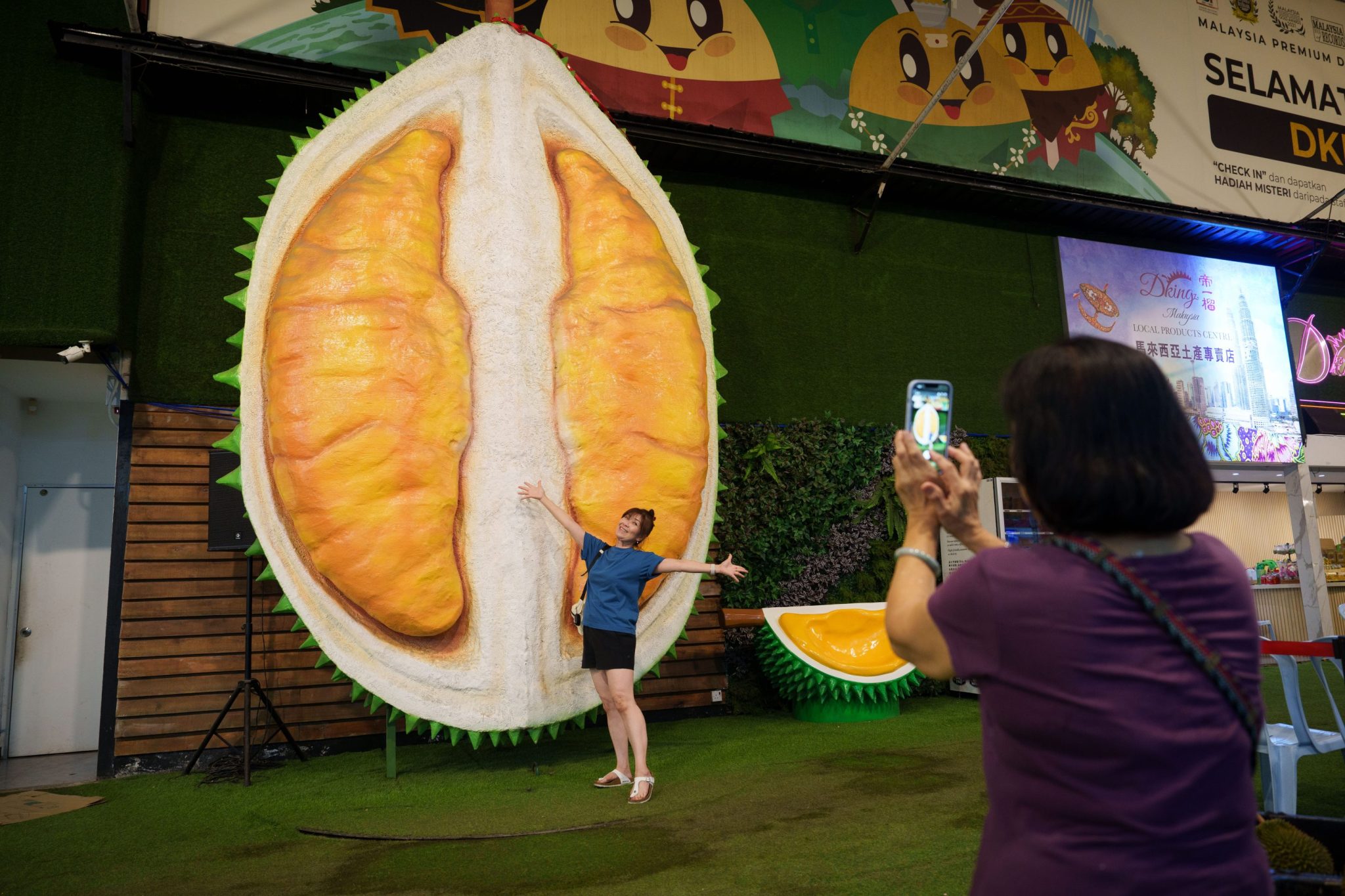
Malaysia is investing in promoting its durian fruit to China, the world's largest importer, despite the fruit's strong odor. The smelly yet delicious durian is a beloved delicacy in Malaysia, with diverse flavors ranging from sweet and fruity to bitter and peanutty. The Malaysian government launched a two-story center in Kuala Lumpur, near the iconic Petronas Twin Towers, to showcase the fruit's culture and history.
The center, which opened this summer, offers guided tours, durian-based products, and an orchard exhibit. Chinese consumers have long been influenced by Thai durian culture, but Malaysian durians aim to win over Chinese palates. In 2025, China imported 1.87 million tonnes of fresh durian worth $7.5 billion, with Malaysian exports seeing a quadrupling of value in the first half of 2026 compared to the same period last year.
Durian businesses in China and Malaysia are expanding beyond the fruit itself, offering durian-flavored products like ice cream, chocolate, and even perfume. Chinese consumers' willingness to travel to Malaysia to taste durians highlights the growing market potential for Malaysian durian.
Written by urgent.news from Fortune's reporting — not their text. Machine-written — may contain errors; check the original before relying on it.