Las hipotecas sobre viviendas caen un 3,5% en julio: el dato marca un cambio de ciclo inmobiliario
En julio se firmaron 43.372 hipotecas para la compra de viviendas, un 3,5% menos que en las mismas fechas un año antes, después de que en julio la cifra aumentara un 10,8% hasta máximos para ese mes desde 2010 . Leer
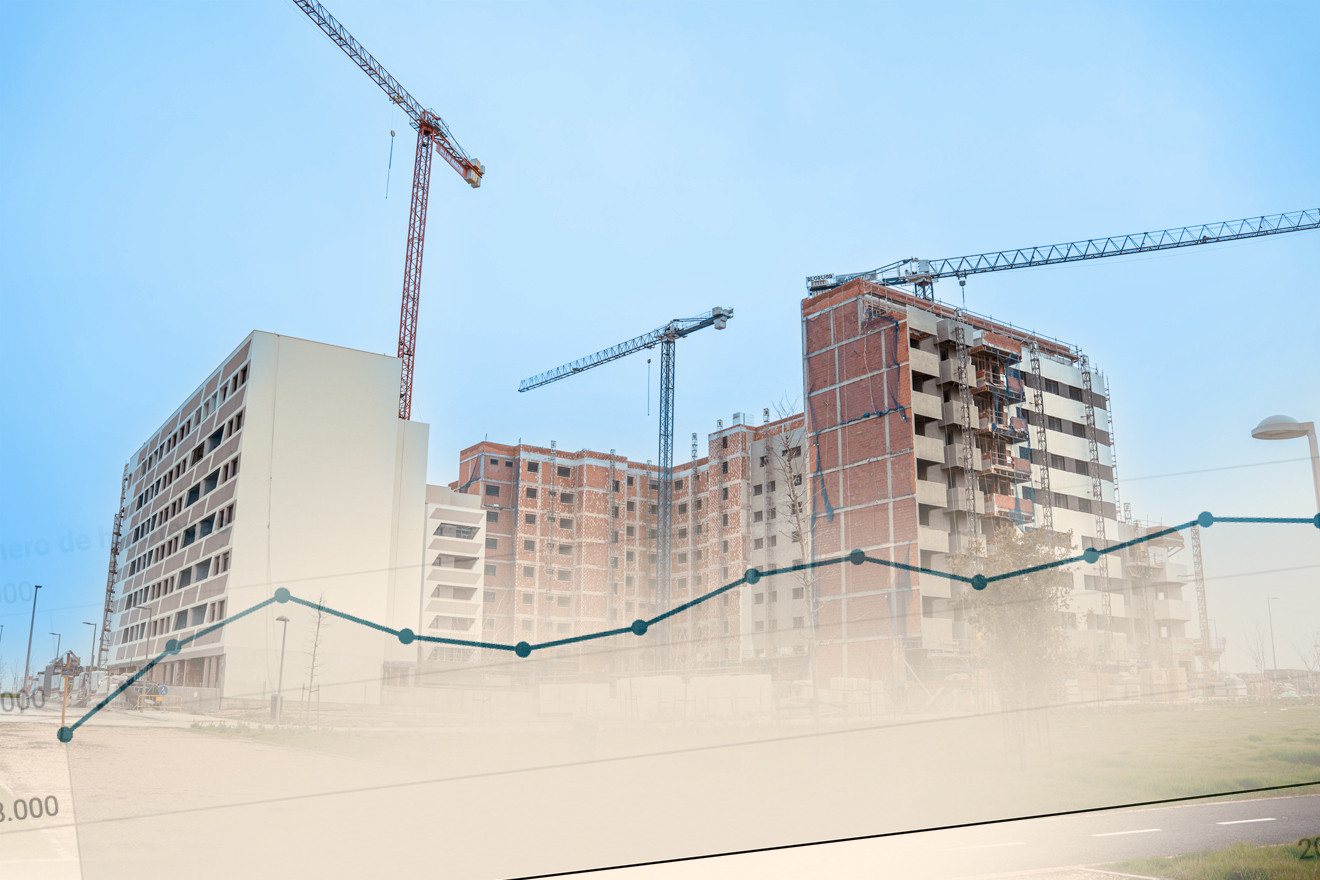
In July, 43,372 mortgage loans were signed for home purchases, a 3.5% decrease compared to the same period last year, following a 10.8% increase in July, which marked a record high since 2010. The number of registered mortgages on property registries was 43,372 in the seventh month of the year, a 3.5% decrease year-over-year, according to data released by the National Institute of Statistics (INE).
Mortgage loans have seen a monthly decline (from July to June, down 5.5%). The average loan amount rose by 10.9% to 180,785 euros, with the average interest rate at 3.01% and the median loan term of 26 years. Of all mortgages, 37.7% were variable-rate and 62.3% fixed-rate. Interest rates were at 2.97% for variable-rate mortgages and 3.03% for fixed-rate mortgages at the beginning of the month.
Territorial differences are marked, with the Balearic Islands (+8.6%), Asturias (+8.1%), and Galicia (+7.1%) seeing the greatest increases, while Cantabria (-26.9%), Aragon (-20.5%), and La Rioja (-19.7%) experienced the largest declines. Mortgage loans also increased in Castilla y León (+6%), Catalonia (+4.9%), Murcia (+2.9%), and Comunitat Valenciana (+0.2%), while decreasing in the remaining autonomous communities.
The number of mortgages with changes in conditions registered in property registries fell 18.6% year-over-year in July, according to the INE. Novations (or modifications with the same financial entity) dropped 19.3%, transfers to debtors (change of title) fell 19.6%, and transfers to creditors (change of entity) decreased by 3.8%.
Juan Villón, director general of idealista/hipotecas, stated that the drop in the volume of registered home mortgages in July clearly shows a changing cycle that has been observed in recent months. This phenomenon is due to high home prices, reduced sales transactions, and rising interest rates, which are already affecting mortgage formalizations and will continue to do so in the coming months.
Villón expects this price increase to continue in the coming months, making monthly payments more expensive for buyers with variable-rate mortgages or mixed loans with short-term fixed terms. He recommends that those with exposure to Euribor fluctuations review available mortgage conditions, as there are still attractive fixed-rate and mixed offers significantly below the Euribor, which could provide immediate savings and peace of mind against further interest rate hikes.
Despite the market's dynamism, María Matos, director of Studies at Fotocasa, says the mortgage market is changing cycles, even as activity remains strong. The mortgage market continues to show strength, but it is entering a more demanding financial environment following recent European Central Bank interest rate hikes. Credit continues to flow, and the volume of approvals remains elevated, driven by active demand and financial institutions competing for solvent profiles.
However, the financial context has changed, and financing conditions are now less favorable. Matos cites eurozone inflation, which has returned above 3%, and anticipates a new interest rate increase before the year ends, noting that the current situation has not yet fully absorbed the impact of the new monetary tightening. In the first seven months of 2026, 303,999 mortgages were formalized, a 5.1% increase compared to 288,324 in the same period last year, although these figures reflect conditions from earlier in the year.
The INE notes that the average interest rate has already reached 3.01%. Credit remains available but increasingly tailored to profiles, with conditions that are somewhat less favorable. After an intense period of commercial competition, banks are beginning to prioritize profitability over volume growth. Amid persistent inflation, rising interest rates, and expectations of further tightening, fixed-rate mortgages are expected to remain the most popular choice as buyers seek greater certainty about their monthly payments.
While financial institutions maintain some commercial competition, offers are becoming less aggressive, reflecting the new monetary context. In the coming months, the percentage of buyers opting not to seek a mortgage, currently at 32%, will likely decline. Moreover, buyers will become much more sensitive to financial conditions and how much they can afford, with the high home price and difficulty saving for a down payment continuing to be the primary condition for purchasing a property.
Written by urgent.news from Expansion ES's reporting — not their text. Machine-written — may contain errors; check the original before relying on it.