John D. Rockefeller Is a Cautionary Tale for Today’s Business Titans
The oil tycoon was celebrated as a pioneer before the public turned on him.
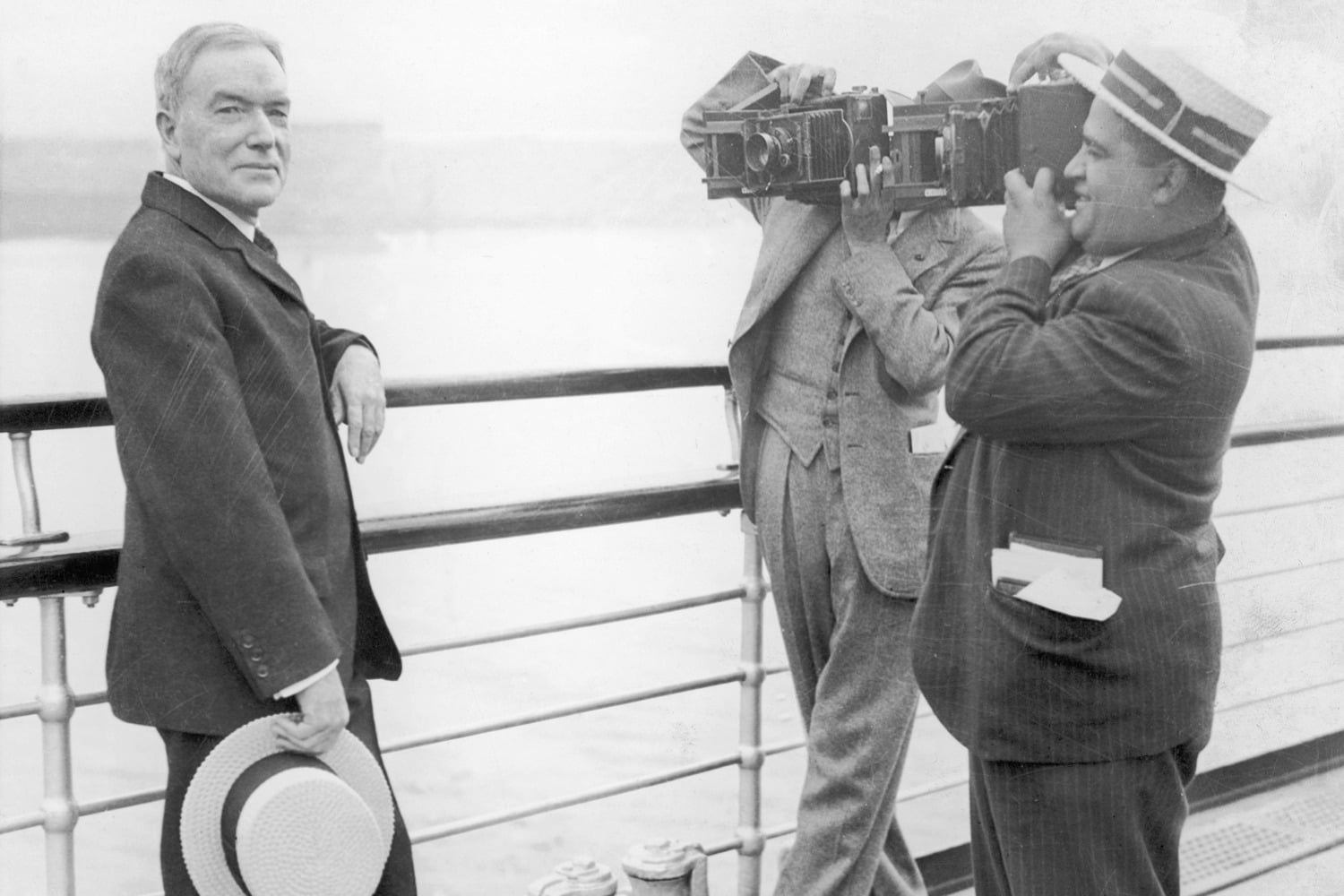
John D. Rockefeller, born on July 8, 1839, in upstate New York, emerged as one of the most influential figures in American history through his transformation of the oil industry. Rockefeller's journey began in a household marked by adversity; his father, a bigamist and peddler of dubious remedies, and his mother, a devout woman who emphasized hard work and charity.
After struggling in various jobs and educational institutions, Rockefeller secured a position as an assistant bookkeeper at Hewitt & Tuttle in 1855. This opportunity marked the start of his meteoric rise, as he gradually took on more responsibilities within the company, eventually engaging in trade deals on his own.
In 1859, Rockefeller co-founded Clark & Rockefeller, a commission merchant firm dealing in agricultural commodities, which eventually expanded into the oil refining industry. In 1863, he joined Andrews, Clark & Company, and by 1867, Rockefeller had taken full control, establishing Standard Works in Cleveland. With the partnership of his brother William and the addition of Henry Flagler, they became the dominant force in the oil refining sector by 1872, following the Cleveland Massacre.
Rockefeller's strategy involved integrating nearly every aspect of Standard Oil's operations, from refining and negotiating rebates from railroads to producing barrels. This monopolistic approach, described by Ron Chernow as "grand-scale collusion," led to the consolidation of nearly every competitor within his reach, significantly influencing the economic landscape of America.
This period of dominance exhibited the power of wealth to shape political alliances, particularly during periods of economic turmoil, such as the Panic of 1873.
Written by urgent.news from Foreign Policy's reporting — not their text. Machine-written — may contain errors; check the original before relying on it.