How Hong Kong is trying a new solution to its land value problem
When Hong Kong’s first chief executive, Tung Chee-hwa, announced his housing plan in 1997, the ambition was extraordinary. The government would produce at least 85,000 flats a year across the public and private sectors, and raise the home ownership rate to 70 per cent. The idea was simple. Build more homes, make housing more affordable and allow more families to own a piece of Hong Kong. Then…
Hong Kong's first chief executive, Tung Chee-hwa, introduced an ambitious housing plan in 1997. The goal was to build at least 85,000 flats annually, raise home ownership to 70%, and increase affordability. However, the Asian financial crisis disrupted the plan. Property prices fell drastically, leading to the government retracting its targets.
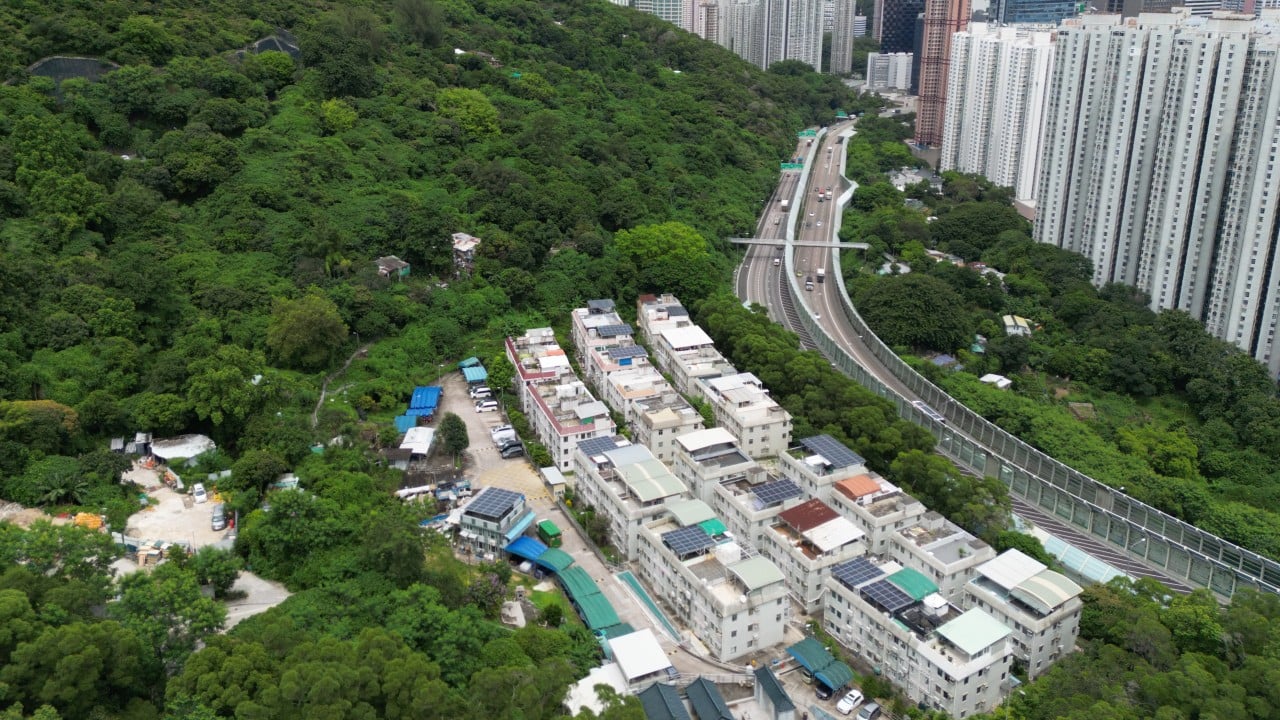
Now, Hong Kong faces the challenge of determining how much land it can release without destabilizing existing land values. While higher land values generate government revenue and wealth, they also make it harder for younger generations to enter the housing market. The government must balance the need for affordable housing with the fear of property value collapse.
Tung's plan recognized the need for more land and homes but arrived at an inopportune time, when an economic downturn and the Asian financial crisis led to a severe property collapse. The issue is not whether Hong Kong should increase land supply but whether the policy can be implemented gradually, with flexible development and financing mechanisms.
The Northern Metropolis is an example of this approach, where private-sector capital and expertise are involved in development. The government aims to prepare 2,500 hectares of "spade-ready" sites over the next decade, including about 1,000 hectares in the Northern Metropolis. This shift focuses on creating economic value from land rather than just its price.
The key to Hong Kong's land model is time, consistency, and the willingness to absorb short-term uncertainty for long-term gains.
Written by urgent.news from South China Morning Post - Hong Kong's reporting — not their text. Machine-written — may contain errors; check the original before relying on it.
This story
This is one outlet's version. Read the fullest account.