Chickens in Malaysia are producing fewer eggs. Is haze a leading cause?
This year’s haze crisis has added to the heat woes squeezing livestock farmers in Malaysia and Indonesia, as they struggle to keep their animals cool, fed and productive. While it is difficult to separately assess the effects of haze-related smoke from heat, water shortages, feed and disease, farmers and industry groups say the cumulative strain is severely affecting animal health, productivity…
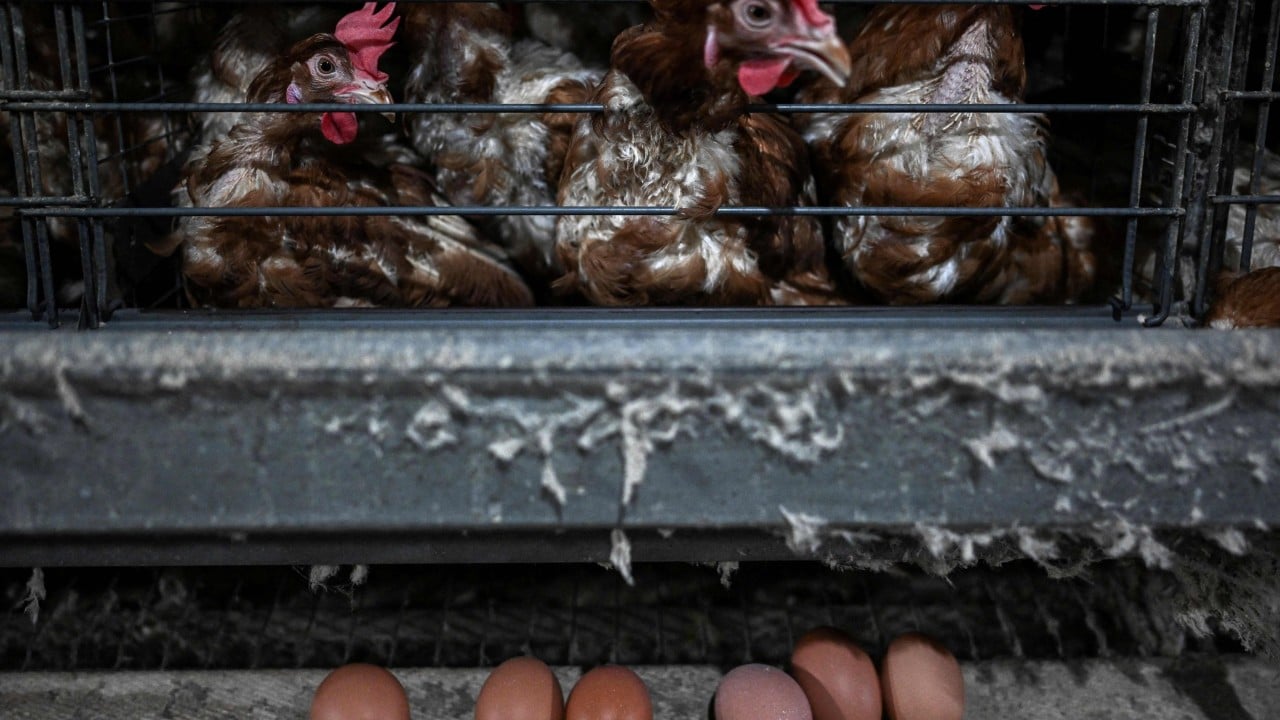
Chickens in Malaysia and Indonesia are experiencing reduced egg production due to a combination of factors exacerbated by the region's haze crisis, including heat, poor air quality, water shortages, feed issues and disease. Poultry farmer Zaiful Zakaria, who installed ventilation fans and misting systems in his chicken sheds, suspects the haze and extreme heat are the primary reasons for his birds' diminished productivity.
Another breeder, Mohd Hazarulhizam, has rebuilt his coops with exhaust fans, solar panels, and automatic misters, incurring costs up to 50,000 ringgit to protect his heritage chickens. Despite these measures, many small-scale farmers and backyard breeders struggle with the combined stress of heat, smoke and limited resources to address the issue.
Veterinarians note that attributing lower milk or egg yields solely to the haze is challenging, as other factors like feed, housing and disease also play a role. Small-scale farmers, lacking access to veterinary advice and climate-controlled shelters, are particularly vulnerable to the adverse effects of the haze.
Written by urgent.news from South China Morning Post's reporting — not their text. Machine-written — may contain errors; check the original before relying on it.