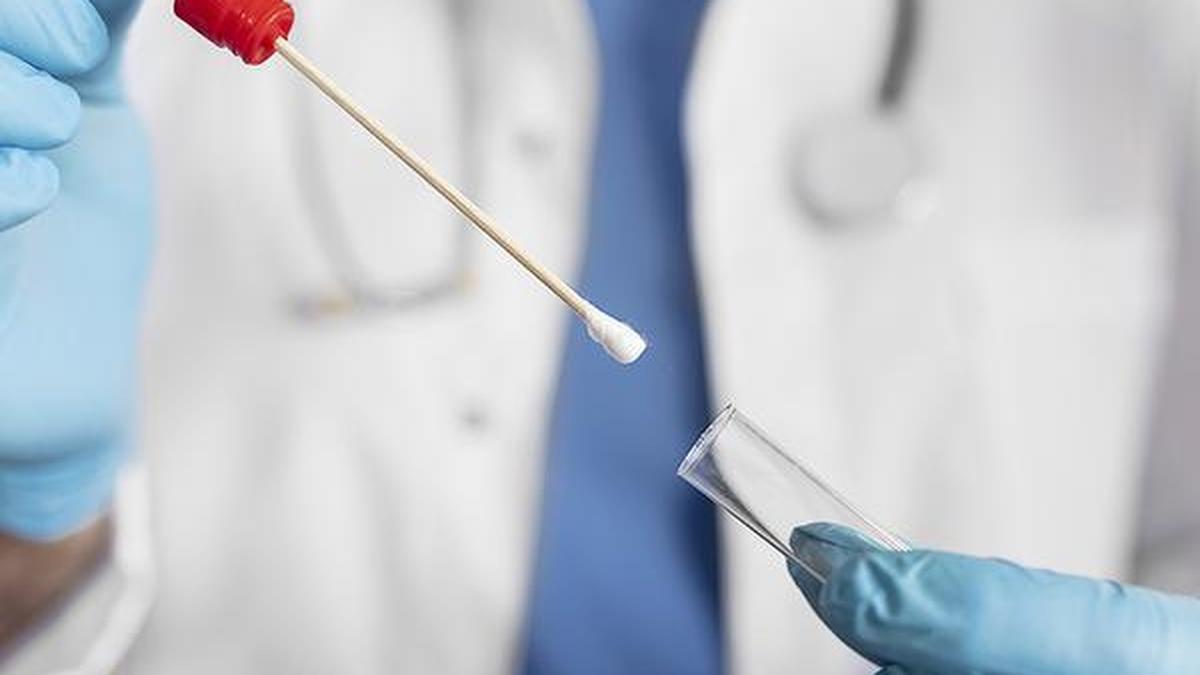
Hopes for early diabetes diagnosis after link found with gut bacteria
Monitoring changes in bacteria in the gut could provide an early warning of Type 2 diabetes , a study has found. The early alarm could be used to target those who would most benefit from lifestyle change and preventive approaches, the study authors said. Analysis of data from hundreds of thousands of people identified changes in the composition of the gut microbiome – the community of…
Researchers have discovered that changes in gut bacteria could serve as an early indicator of Type 2 diabetes. This finding could help identify individuals who would most benefit from preventive measures and lifestyle modifications, according to the study authors. By analyzing data from hundreds of thousands of people, researchers identified alterations in the composition of the gut microbiome – a community of microorganisms residing in the gastrointestinal tract – that can be detected prior to any changes in blood glucose levels.
While previous studies have established a correlation between diabetes and gut microbiome, they have not consistently identified key bacteria across large populations. Existing tests focus on elevated blood sugar levels, but they fail to detect people with normal levels who may face future risks. These risks are typically assessed through factors like age, sex, weight, and family history.
The study's findings mark a "major step forward in understanding how our gut microbiome is directly linked to metabolic disease," commented Prof Tim Spector, a scientific co-founder of health data firm Zoe and study author. Identifying these clear microbial changes before blood sugar levels deteriorate could facilitate earlier intervention through dietary and lifestyle choices, as well as potential treatments to prevent Type 2 diabetes.
The research, presented at the annual meeting of the European Association for the Study of Diabetes in Milan, included nearly 230,000 adults in the UK and the US. The scientists identified 789 bacterial species linked to diabetes in individuals with the condition or prediabetes. Subsequently, they tested the blood sugar of people with normal glycaemic levels two hours after consuming a meal.
Elevated blood sugar levels post-meal may indicate poor insulin response, signaling an early stage of Type 2 diabetes. The study revealed that individuals with persistently high blood sugar were more likely to exhibit the same bacterial pattern associated with diabetes. Dr Gabriel Baldanzi of the University of Trento in Italy emphasized that while lifestyle changes such as diet and physical activity can prevent or delay the onset of Type 2 diabetes, many individuals find it challenging to recognize these changes' impact beyond potential weight loss.
Detecting early shifts in the gut microbiome and demonstrating to individuals that they are on the right track could serve as a potent motivator to maintain these positive habits.
Written by urgent.news from The National UAE's reporting — not their text. Machine-written — may contain errors; check the original before relying on it.
Also reported by 1 other outlet
- Hopes for early diabetes diagnosis after link found with gut bacteria thenationalnews.com