Access to cancer genetic testing unequal worldwide: New Lancet Commission
The team estimated that seven to eight million (70-80 lakh) people with cancer worldwide need standard-of-care molecular testing every year
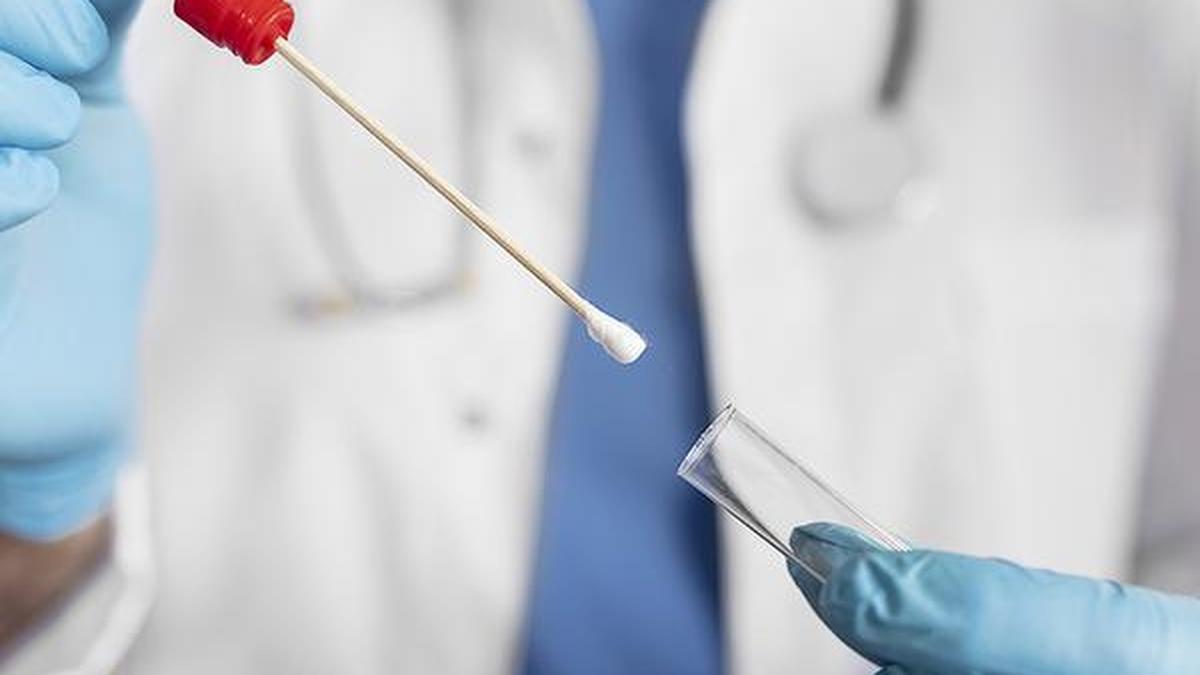
A new report by The Lancet Oncology Commission warns that access to cancer genetic testing and tailored treatments remains significantly unequal both within and between countries. The commission found that only 2% of biomarker-based cancer trials are conducted in low- and middle-income countries (LMICs), compared to 81% in high-income nations.
The rapid growth of precision oncology has led to rising costs and complexity, outpacing the population-level benefits, with global spending on cancer medicines projected to increase from USD 252 billion in 2024 to USD 441 billion by 2029. The researchers analyzed global clinical trial and genomic data, as well as national cancer program surveys, estimating that seven to eight million people worldwide need annual standard-of-care molecular testing.
However, coverage is far from universal, especially in LMICs, where only around half of eligible women with ovarian cancer receive BRCA testing, primarily due to low testing rates in these regions. To help address these disparities, the commission proposes a framework for prioritizing molecular tests and matched therapies, a system-readiness assessment tool, and workforce-competency standards, along with principles for responsible data-sharing.
The report also includes 10 core recommendations for equitable, effective, and responsible integration of precision oncology into cancer control and universal health coverage, accompanied by a phased implementation roadmap.
Written by urgent.news from The Hindu - Sci-Tech's reporting — not their text. Machine-written — may contain errors; check the original before relying on it.