Ghana sees geopolitical tensions as opportunity to end dependence – Ablakwa
Foreign Affairs Minister Samuel Okudzeto Ablakwa says Ghana intends to leverage the changing global geopolitical order to reduce its dependence on external support and strengthen control over its natural resources.
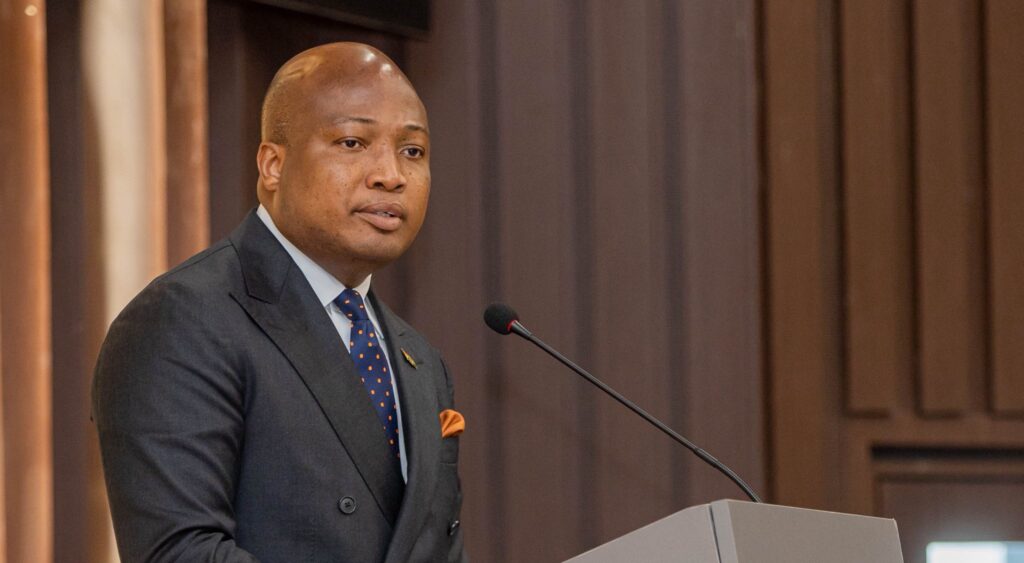
Foreign Affairs Minister Samuel Okudzeto Ablakwa believes Ghana should capitalize on the shifting global geopolitical landscape to lessen reliance on external aid and bolster control over its natural resources. The minister sees the current international tensions as a chance for African nations to devise domestic solutions, negotiate more advantageous deals, and strive for greater sovereignty over their resources.
"We see this as an opportunity to look within and find home-grown solutions to our challenges," Mr Ablakwa stated.
He emphasizes that despite Africa's vast natural and human resources, the continent cannot afford to remain dependent on external support. With a median age of 19 and a projected population of around 1.4 billion by 2050, Africa is poised to account for one in every four people worldwide. Mr Ablakwa argues that this demographic potential, along with the continent's rich reserves of oil, gas, lithium, cobalt, cocoa, and bauxite, should position Africa as a significant global economic player.
The minister disclosed that Ghana recently turned down a health financing package worth less than $200 million due to concerns over the attached conditions, which included access to Ghana's health and pathogen data as well as citizen privacy information. "We refused. But we found the resources within," Mr Ablakwa said, highlighting the importance of developing domestic resilience and strengthening national capacity without sacrificing strategic interests for external financing.
Ghana aims to end raw material exports by 2030 to foster industrialization and retain more value from its resources. The country plans to process cocoa, gold, and bauxite locally before export. The Foreign Affairs Minister also mentioned that Ghana is seeking to renegotiate resource agreements to secure better returns for the nation, citing gold mining agreements where Ghana holds a 10% stake while the remaining 90% goes elsewhere.
Mr Ablakwa emphasized that technological advancements, such as artificial intelligence and other generative tools, can help Ghana build local expertise and strengthen its capacity to manage natural resources. He also discussed Ghana's intention to seek new global partnerships based on mutual interests, fairness, and tangible benefits for citizens, moving away from traditional alliances and historical relationships.
The minister highlighted Ghana's recent support for a UN resolution declaring transatlantic enslavement the greatest crime against humanity, which received backing from 123 countries. He sees such voting patterns as a means to identify countries with which Ghana can establish closer diplomatic and economic ties.
Written by urgent.news from MyJoyOnline Ghana's reporting — not their text. Machine-written — may contain errors; check the original before relying on it.
This story
This is one outlet's version. Read the fullest account.
- IDP Foundation partners with Opportunity International to expand the Rising Schools Program to Northern Ghana myjoyonline.com
- World Vision Ghana partners Ahafo assemblies to expand water, sanitation and hygiene coverage adomonline.com
- Watch: President Mahama explains Ghana’s rejection of US Health Compact gbcghanaonline.com