From Mat Kilau to flying Malays: How communal anxieties fuel alternative history publishers
KUALA LUMPUR, Sept 28 — From claiming that ancient Malays could fly to asserting that they taught the Romans naval...
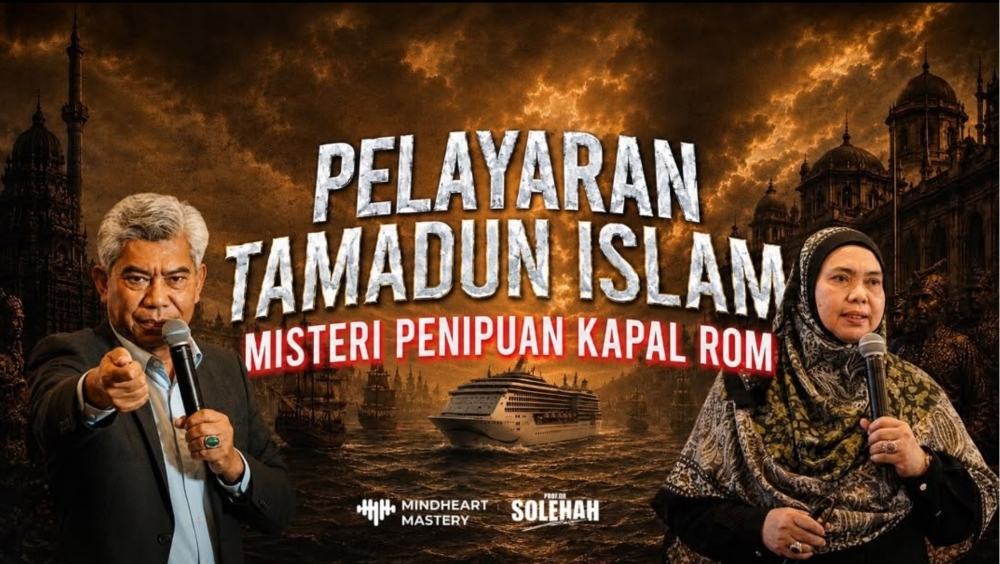
KUALA LUMPUR, Sept 28 — Former linguistics professor Solehah Yaacob has drawn international ridicule and stirred passionate debate at home with her revisionist claims about ancient Malays, including the assertion that they could fly and taught the Romans naval shipbuilding. Despite being dismissed by the International Islamic University Malaysia in April, Solehah's claims retain a significant following, with over 500,000 Facebook and TikTok followers, and her seminars remain highly sought after.
Sociologists attribute the popularity of such revisionist narratives to contemporary communal insecurities, particularly the multicultural landscape of Malaysia and Malay socio-political and economic anxieties. While over 60% of Malaysia's 34 million citizens hold constitutionally protected status, economic anxieties continue to fuel fears of marginalisation, creating a fertile ground for historical revisionism.
Academics have criticized standard history syllabuses for relying too heavily on British colonial perspectives, arguing that terms such as "feudal" do not accurately represent traditional Malay governance. Furthermore, revisionists often attempt to erase Malaysia's pre-Islamic heritage to assert historical supremacy. Solehah, in a September lecture, dismissed the country's Hindu-Buddhist past as "mere propaganda" concocted by Western colonisers and claimed that the prophet Abraham was Malay and that Moses visited Kedah's Gunung Jerai.
Cultural historian Eddin Khoo argues that defining Malay identity exclusively through puritanical religious ideologies has made the region's pre-Islamic heritage uncomfortable for nativists. The demand for such narratives is commercial, with alternative history publishers like The Patriots gaining over 52,000 followers on their online bookstore.
However, cultural historian Khoo warns that unchecked pseudohistory erodes public historical literacy and undermines the role of myth in Asian history.
Written by urgent.news from Malay Mail's reporting — not their text. Machine-written — may contain errors; check the original before relying on it.