Food Safety Finds a Place Among ‘Kitchen-Table’ Political Issues
Recent outbreaks of foodborne illness and high-profile recalls have made this issue a concern of voters.
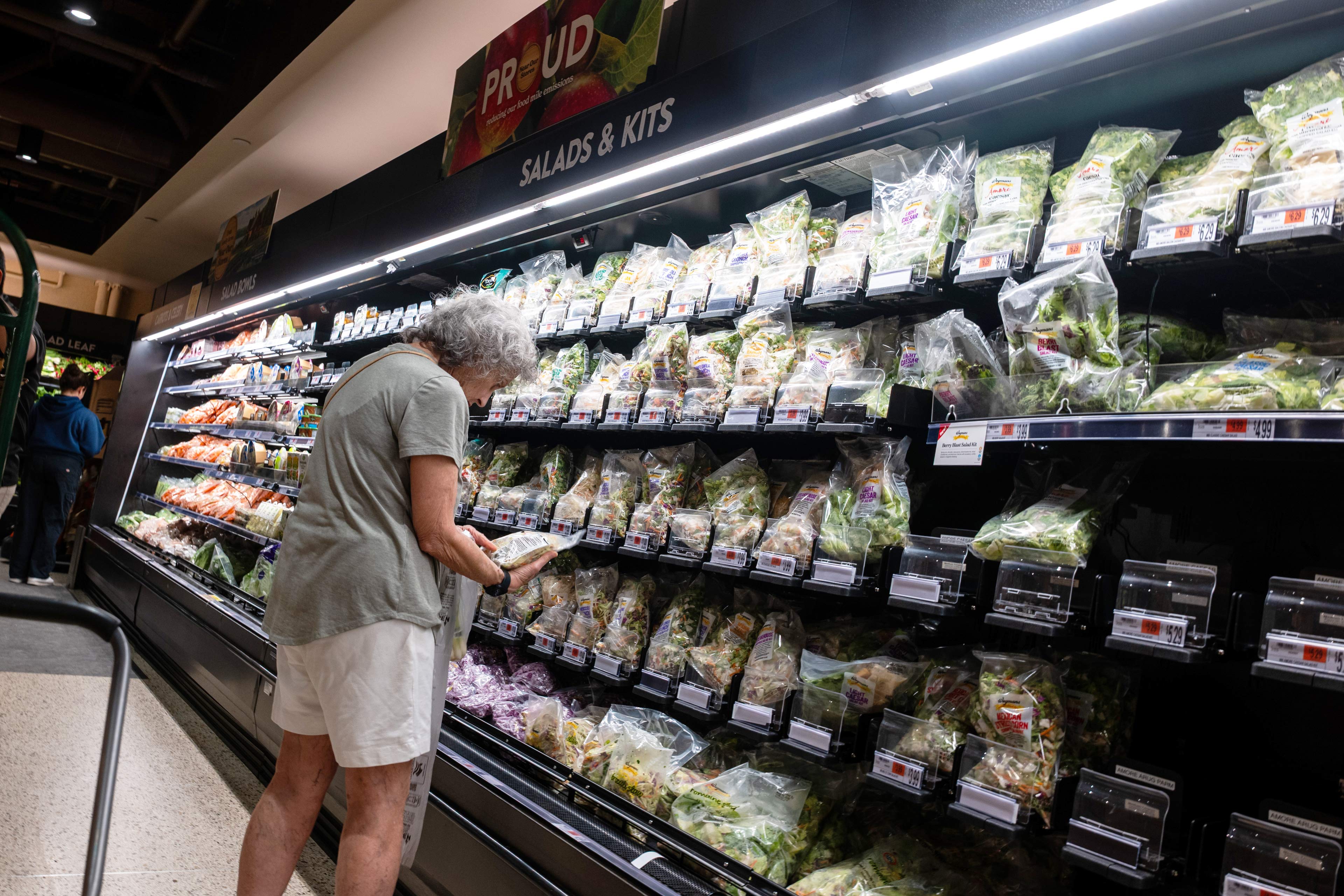
As midterm elections approach, the safety of the U.S. food supply has become a contentious political issue. A massive foodborne outbreak in the summer, linked to cyclospora in lettuce, caused nearly 20,000 lab-confirmed illnesses from May through August, making it the largest recorded outbreak of the parasite. This led to a recall of tens of thousands of pounds of imported meat, turning the topic into a national conversation and a political cause.
Late-night talk show hosts joked about the symptoms, which included explosive diarrhea, while chain restaurants like Chipotle and Taco Bell pulled suspected products from their menus. Some food safety scientists blamed the outbreaks on federal cuts to public health agencies. Democrats have seized this opportunity to criticize the Trump administration, accusing it of scaremongering over food safety to appeal to voters. The administration, in turn, accused Democrats of exaggerating the issue.
The cyclospora outbreak was unprecedented, affecting people in 21 states, and prompted critics to question whether it's safe to order a salad or burger. Democrats have used this as a rallying point, urging voters to oust Republicans in the midterm elections. They have pointed to budget cuts and proposed reductions in funding for food safety agencies as evidence of negligence.
However, the number of food recalls doesn't fully reflect the scale of the problem. While recalls have increased in recent years, the overall trend in bacterial contamination of food shows a decline, with fewer people falling ill. This could indicate that the food supply is becoming safer, despite the perception of increased risk.
Written by urgent.news from KFF Health News's reporting — not their text. Machine-written — may contain errors; check the original before relying on it.