Farmers need a share of the solar boom

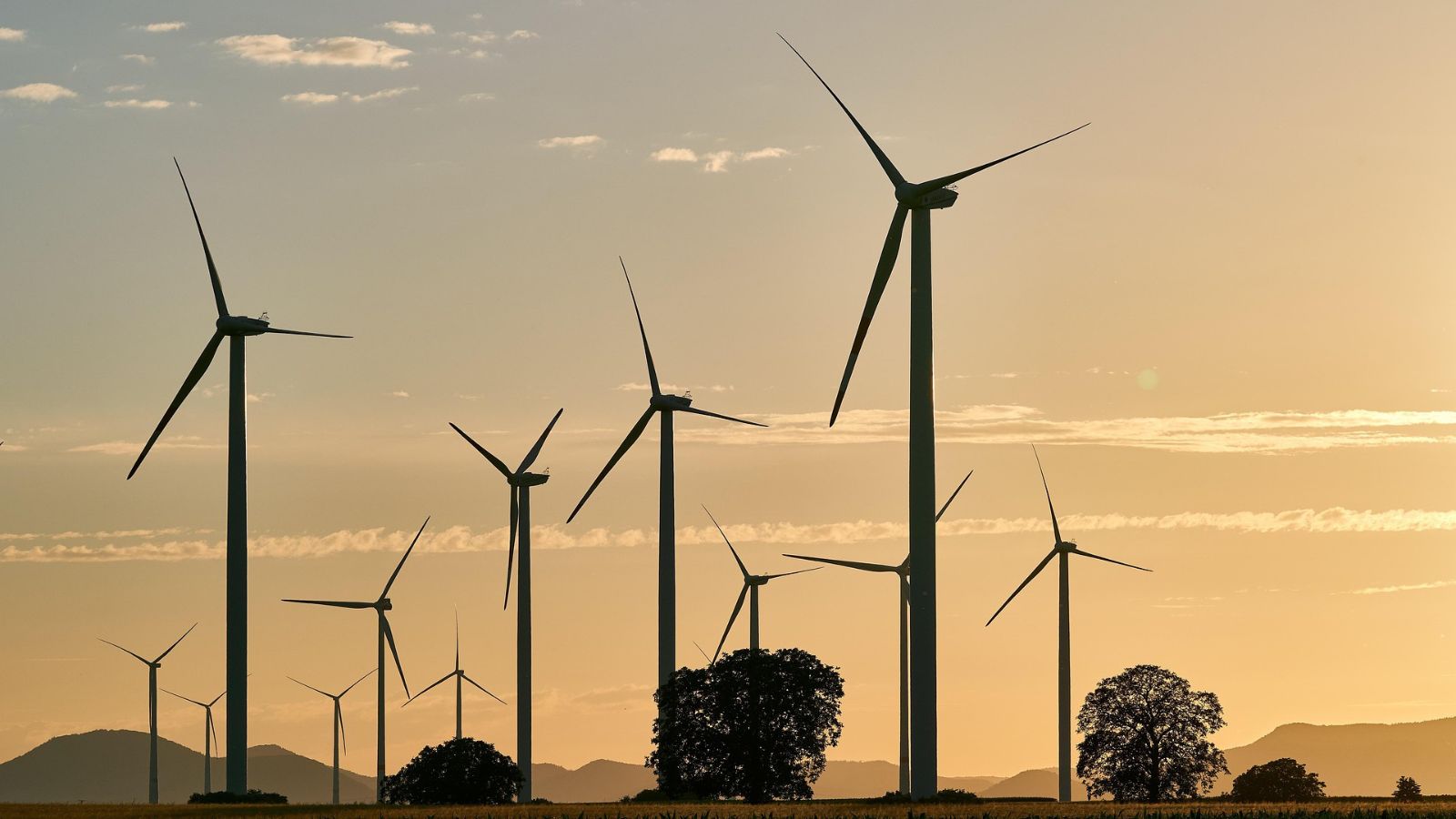
India has seen a remarkable surge in solar energy capacity, growing from just 2.82 GW in 2014 to a staggering 168.04 GW as of August 2026. This sixtyfold increase has established India as the third-largest player in solar power globally, following China and the United States. While much of this capacity (74%) is utility-scale, primarily driven by big companies like Adani Green Energy, ReNew, NTPC, JSW Energy, and Greenko Energy, rooftop solar accounts for roughly 20%, and the remaining 6% is made up of off-grid and hybrid projects.
One of the key initiatives aimed at expanding solar energy in rural areas is the PM-KUSUM scheme, designed to benefit farmers by allowing them to set up solar power plants on their land. However, the scheme's Component A, which enables farmers to establish solar power plants of up to 2 MW, currently offers no capital subsidy, unlike its counterpart, PM Surya Ghar, which provides central subsidies to households installing rooftop solar.
Given this disparity, there is a need to reconsider Component A of PM-KUSUM and provide farmers with a similar capital subsidy.
Agri-photovoltaics (agri-PV), a concept involving the installation of solar panels at an 11-foot height above the ground to allow cultivation underneath, presents a promising solution. This approach could enable the same land to produce both food and energy, augmenting farmers' incomes by up to eight to ten times. Moreover, agri-PV can help reduce the government's power subsidy bill while generating clean energy to foster rural industrialisation.
The World Bank has already approved an $820-million loan, including concessional finance and a grant, to support PM Surya Ghar and mobilize private financing. However, PM-KUSUM lacks such financial backing. To unleash a new rural revolution akin to "PM Surya Khet Kranti," where solar energy becomes the "third crop" for farmers, the World Bank should consider creating solar cooperatives, similar to the milk cooperatives established under Operation Flood.
By setting the feed-in tariff at half the cost of supplying power to rural areas and providing priority sector lending rates for capital, the success of this model can be demonstrated.
Written by urgent.news from The Indian Express's reporting — not their text. Machine-written — may contain errors; check the original before relying on it.