Country braces for 25pc Rabi water shortage
• Reservoir carryover falls below 9.5MAF, lowest since 2021 • Wheat crop faces added pressure after estimated shortfall last season • Irsa technical committee to finalise Rabi water availability, provincial shares • Three-tier water distribution formula may revive acrimony among traditional rivals Sindh, Punjab ISLAMABAD: After many years, Pakistan is bracing for a water shortage of around 25 per…
Pakistan anticipates a 25 percent reduction in Rabi water supply starting from this week, prompting worries over food security due to the season's primary crop being wheat. The last Rabi season experienced no such shortage, yet the country incurred a wheat loss of over two million tonnes, prompting the government to import one million tonnes, primarily in the first phase by November.
The shortfall stems partly from political considerations of the coalition government, according to sources. More than a million acre-feet (MAF) of water were unnecessarily released from reservoirs during the Kharif season, with parliamentary interventions enabling greater discharges to Sindh, but adjustments for subsequent Kharif seasons were not realized.
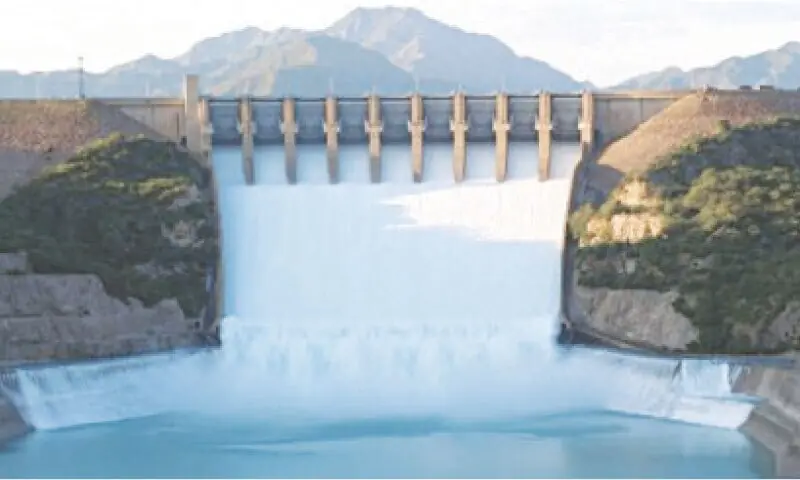
Reservoirs Tarbela and Mangla began depleting after peaking at 11.6MAF on September 9. Storage in these reservoirs now stands below 9.5MAF, the lowest since 2021. Rabi season commences on October 1 and concludes on March 31. Last year, reservoir storage at season's start was 13MAF, a 27 percent increase from this year. The technical committee of the Indus River System Authority (Irsa) will finalize water availability estimates and distribution recommendations among provinces for Rabi on Monday.
The Irsa Advisory Committee (IAC) is tentatively scheduled to meet on October 5 to endorse provincial water allocations based on the technical committee's recommendations. The anticipated water shortage is expected to reignite provincial tensions, particularly between Sindh and Punjab, as Irsa attempts to allocate water using its three-tier distribution formula.
Tarbela Dam hit its maximum conservation level of 1,550 feet on August 9 and remained at that level until September 9. Mangla Dam peaked at 1,222 feet on August 9 against its maximum conservation level of 1,242 feet. Flows in the Jhelum River were weak throughout the Kharif season, and subsequent releases further diminished Mangla's conservation level.
Over 10.33MAF of water has flowed into the sea since the Kharif season began on April 1, exceeding the annual environmental requirement of 8.2MAF. Total water requirements for Rabi crops under the Water Apportionment Accord of 1991 are 37-38MAF. With minimal carryover storage from Kharif, water availability is expected to be around 21-22MAF, alongside river flows over the next six months.
The 1991 accord allows Irsa to determine water availability and provincial shares twice annually, but shortages surpassing 10 percent have become frequent. Irsa has utilized a de facto three-tier formula for distribution, a mechanism challenged by Sindh, which has advocated for the implementation of Para 2 of the accord. Under this formula, Balochistan and Khyber Pakhtunkhwa are exempt from water shortages, leaving Sindh and Punjab to bear the burden.
Sindh contends that Irsa has overstepped its mandate by introducing the three-tier formula and devising its own formulas despite objections through provincial committee meetings.
Written by urgent.news from Dawn's reporting — not their text. Machine-written — may contain errors; check the original before relying on it.
This story
This is one outlet's version. Read the fullest account.