China is no longer just the world’s factory. It’s the HQ
The global electronics industry is entering a structural transition. For over two decades, China served as the dominant manufacturing centre, with an unmatched concentration of suppliers, skilled labour, infrastructure, logistics and engineering capabilities. That concentration is being diluted. But interpreting this as the decline of Chinese manufacturing would be a mistake. China is exporting…
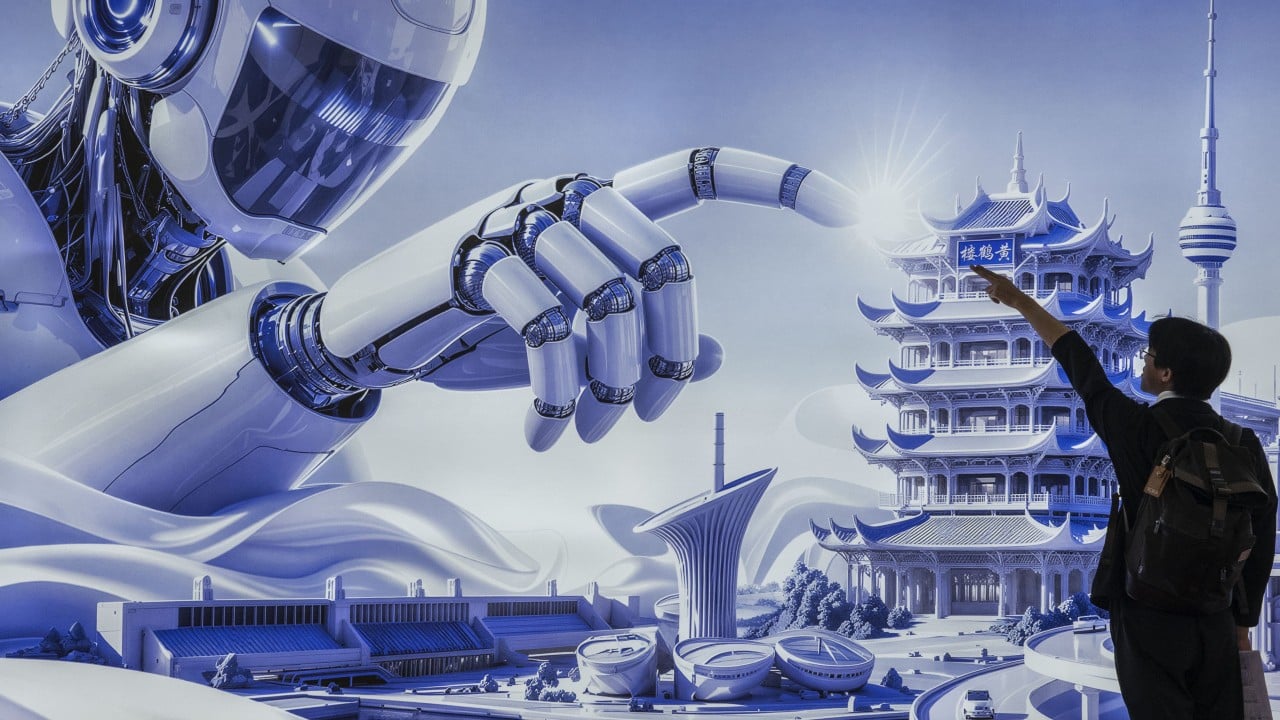
China's manufacturing landscape is undergoing a significant transformation, shifting from being solely a global factory floor to becoming the headquarters for innovation and development. For over two decades, China dominated the manufacturing industry, leveraging its concentration of suppliers, skilled labor, infrastructure, logistics, and engineering capabilities.
However, this dominance is now being challenged by a series of factors including rising tariffs, export controls, and stricter scrutiny of critical technologies.
In response to these challenges, Chinese companies are strategically diversifying their production locations. According to the Boston Consulting Group, the share of electronics manufacturers with overseas production has risen from 12% in 2017 to 56% since then. This transformation is not a sign of declining manufacturing in China, but rather a strategic move to create a "hub-and-spoke" model.
While components, materials, tooling, and machinery continue to originate in China, final assembly is increasingly being moved to countries such as Vietnam, Thailand, Malaysia, India, and Mexico.
This shift is producing a new industrial model where China retains the "industrial brain" while its production facilities are dispersed globally. This model is characterized by advanced research, engineering, technological innovation, and sophisticated manufacturing remaining concentrated in China, while selected production stages are distributed internationally.
The most significant development may be in sectors beyond electronics, as China's industrial strategy increasingly aligns with a division of labor, where the country continues to lead in research, innovation, and technological advancement, while outsourcing specific production stages to other countries.
The shift in China's manufacturing strategy carries an important implication. While Washington seeks to reduce China's role in global manufacturing through tariffs and technology restrictions, it has inadvertently encouraged Chinese companies to build production networks with greater geographic diversification. This could potentially make Chinese manufacturing systems less vulnerable to political risks associated with any single country's trade policy.
The result may be a manufacturing system that is less dependent on any single country's trade policies, thereby enhancing China's resilience and global competitiveness.
However, this transformation does not guarantee China's manufacturing dominance indefinitely. As competitors develop their own supplier ecosystems, technologies, and industrial capacities, competition will only intensify. Nonetheless, the overarching conclusion is clear: globalization is not ending; it is rapidly evolving. China is not abandoning its role as the "world's factory," but rather redefining what the term "manufacturing power" means in the contemporary context.
It is becoming a global hub for innovation and development, ensuring that while manufacturing capacity disperses across various countries, the "industrial brain" remains firmly in China.
Written by urgent.news from Reuters Business via SCMP's reporting — not their text. Machine-written — may contain errors; check the original before relying on it.
This story
This is one outlet's version. Read the fullest account.