BASF-Offerte: Übernahmepoker um Evonik ist nicht vorbei – drei Szenarien sind möglich
Ein erstes Angebot von BASF lehnt Evonik ab. Doch entscheidend bleibt die Position der RAG‑Stiftung. Politik und Gewerkschaften mischen kräftig mit. Es lauern Interessenkonflikte.
The BASF-Offerte: Evonik Acquisition Poker Continues - Three Scenarios Possible
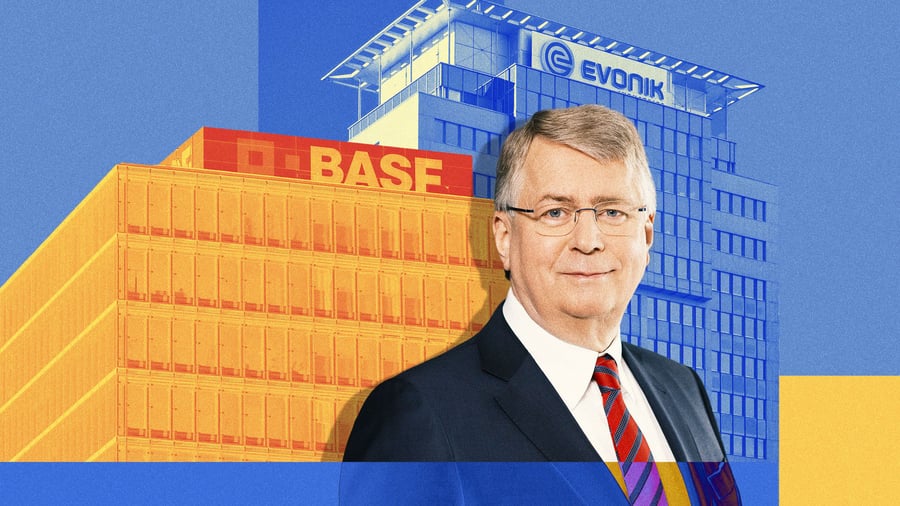
The Essener RAG Foundation, Germany's wealthiest private foundation, is now faced with deciding the future of Evonik, the country's second-largest chemical company. BASF, a rival, rejected Evonik's first takeover offer presented by the Evonik leadership on Monday afternoon. The EVONIK board had initially had a critical stance towards the takeover attempt from the beginning.
However, the poker game continues. With the RAG Foundation's 44% stake, it now becomes a decisive factor for further actions. The foundation has not yet taken a clear stance.
The foundation's 16.5 billion euro wealth funds education and science in the mining regions and supports startups. Most importantly, it pays for what are known as the "eternal burdens" of coal mining, such as pumping out water from the mines. The foundation spent around 288 million euros on this in the previous year, with 200 million euros coming from the Evonik dividend for 2025.
The foundation aims to reduce its dependence on Evonik over the next few years by selling three bond instruments that can be exchanged for Evonik shares between 2028 and 2030. However, the foundation wants to retain a minority stake of 25.1% to secure influence over Evonik.
Two main questions now face the foundation: Should it protect Evonik's independence as it believes in the company's solo future viability, or does Germany need a national champion in BASF and Evonik that would be stronger in global competition with Asian and American rivals? These three scenarios are possible:
1. The RAG Foundation turns down BASF's offer. With a fortune of 16.5 billion euros, the RAG Foundation supports education and science in the mining regions and engages in startups. However, it primarily funds the so-called "eternal burdens" of coal mining, which amounted to 288 million euros last year. The foundation's dependence on Evonik will be reduced in the coming years through three bond instruments that can be converted into Evonik shares between 2028 and 2030.
The aim is to retain a 25.1% minority stake to secure influence over Evonik. Evonik's CEO, Christian Kullmann, who is currently ill and expected to be out until early next year, is in a good relationship with the RAG Foundation's chair, Bernd Tönjes. Claus Rettig is steering Evonik as deputy CEO, a longtime Evonik insider, and is well connected within the company.
Tönjes supports Evonik's growth strategy and the announced reduction of 3,200 positions. He also supports the new dividend policy that might bring the foundation lower revenues. In business circles, it is not expected that Tönjes would push for a merger with BASF against the board without involving Kullmann.
2. The RAG Foundation accepts the BASF money. If the RAG Foundation shows willingness to talk, BASF could make another cash offer directly to them. The first offer from BASF corresponds to a purchase price for all Evonik shares of more than ten billion euros, with around 4.3 billion euros going to the foundation. What would the foundation do with so much money?
It needs to flow into assets that offer the same and secure returns as the Evonik dividend, according to an insider, referring to the problems the foundation has faced as an investor in the past. In April, authorities in Essen received a comprehensive report from the NRW and Saarland state auditors who reviewed the foundation's budget and economic management between 2021 and 2025.
Over this period, the foundation's wealth fell by about 4.8 billion euros. The auditors mainly attribute this to the economic crisis. The auditors also highlight failures in the foundation's investments, such as the failed Signa real estate venture led by René Benko, which has already been written off in the Essen foundation's books.
Written by urgent.news from Handelsblatt's reporting — not their text. Machine-written — may contain errors; check the original before relying on it.