As yellow-eyed penguins disappear, conservationists focus on deaths in fishing nets
OTAGO PENINSULA, Aotearoa New Zealand — Sandfly Bay was long a key nesting area for yellow-eyed penguins (Megadyptes antipodes), noisy, pink-footed birds that spend long days foraging at sea. But this wild beach on the Otago Peninsula, like others nearby, has gone quiet. In 2024, the last breeding-age female at Sandfly Bay, who’d been consistently […]
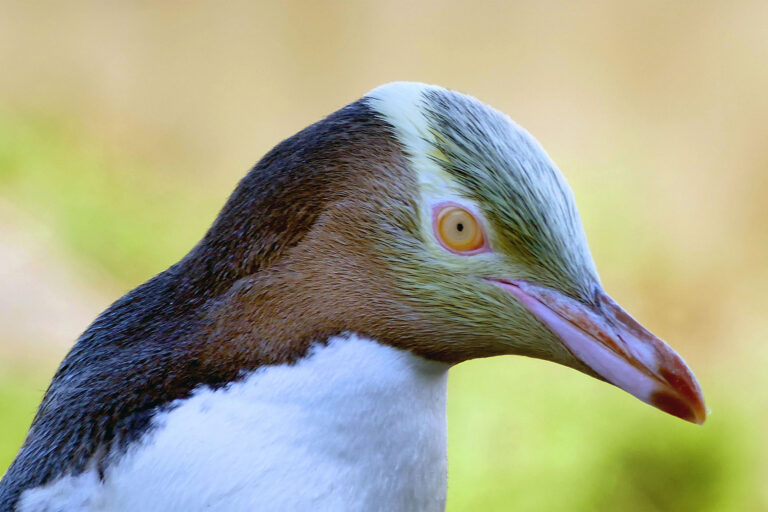
OTAGO PENINSULA, Aotearoa New Zealand — Sandfly Bay, once a vital nesting site for the endangered yellow-eyed penguin, has witnessed a drastic decline. In 2024, the final breeding-age female at Sandfly Bay met her end in a fishing net, further contributing to the species' dwindling numbers. Fishing, among other factors, has significantly contributed to the decline of the yellow-eyed penguin, which is native to Aotearoa New Zealand.
The mainland population of breeding pairs has plummeted from 739 in 2008-2009 to just 117 pairs, marking a decline of more than 80%. The IUCN listed the species as endangered in 2020, when the mainland population was still twice as large as it is now. Despite the dire circumstances, conservationists remain hopeful for the species' survival.
Trudi Webster, a marine scientist who has dedicated the past decade to researching and conserving the yellow-eyed penguin, acknowledges the grim situation but insists that hope remains. Several organizations are actively working to save the yellow-eyed penguin, employing various conservation strategies to combat the mounting threats.
Written by urgent.news from Mongabay's reporting — not their text. Machine-written — may contain errors; check the original before relying on it.