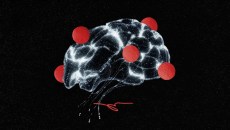
AI detects signs of aging in blood stem cells from nuclear images
Aging progressively affects how our bodies function. Among other effects, it reduces the ability of the hematopoietic system—the organs and tissues responsible for producing blood cells—to maintain adequate blood cell production. Understanding and measuring this process is especially important for studying how blood stem cells age and identifying ways to preserve or restore their function.

Researchers have developed an AI-based tool called ChromAgeNet, which can identify signs of aging in blood stem cells through nuclear images. The tool, created by scientists at the Bellvitge Biomedical Research Institute (IDIBELL) and the Barcelona Supercomputing Center—Centro Nacional de Supercomputación (BSC-CNS), works by analyzing the three-dimensional organization of chromatin within the cell nucleus.
Chromatin is the material that packages DNA and regulates gene expression, which changes as cells age. ChromAgeNet achieved a 77% accuracy rate in classifying cells as young or aged, surpassing a previous machine learning model based on chromatin features. The model identified key features such as chromatin entropy, heterochromatin at the nucleus' periphery, and certain chromatin condensates as indicators of aging.
This new tool could complement existing age biomarkers like epigenetic clocks, providing additional insight into the nuclear architecture associated with aging.
Brief written by urgent.news from Medical Xpress's own syndicated text. Machine-written — may contain errors; check the original before relying on it.