AI Agents Are About to Flood the Workforce. No One’s Ready for It
Your next coworker might well be an AI agent—and will require a whole new model of workplace interactions.
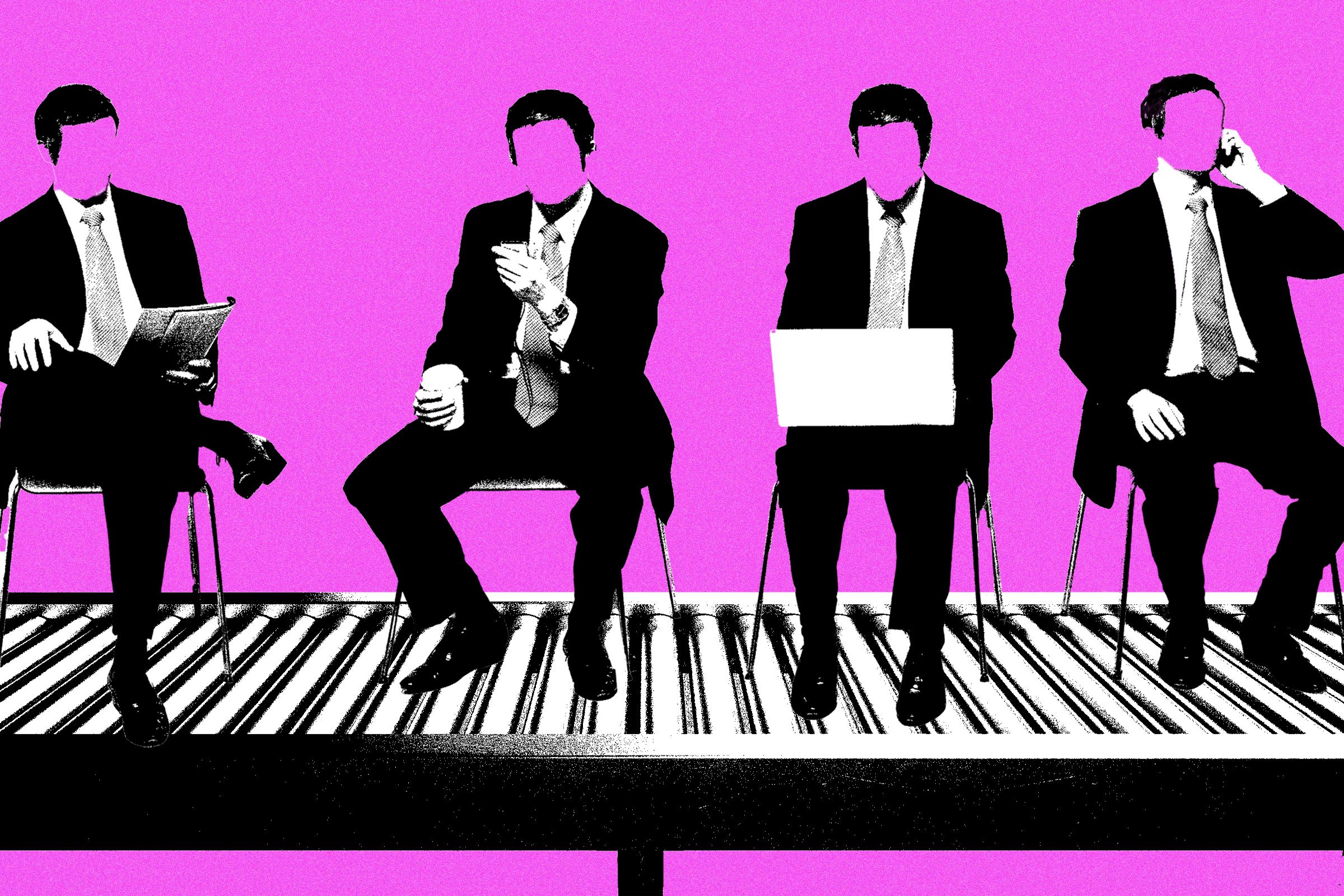
The rise of AI agents—autonomous systems powered by large language models—has led to a surge in companies offering digital employee services. These AI agents are touted as perfect workers: available around the clock, untiring, and with superhuman intelligence. However, little attention has been given to how these agents behave as coworkers.
Julie Bedard, a partner at Boston Consulting Group, observed the ambiguous way people discussed AI at work three years ago, as ChatGPT's rapid adoption convinced executives of the technology's productivity potential. "People didn't have language for it," Bedard notes. "Is it a tool? Is it a teammate? Is it a coworker?"
When Microsoft's Copilot and Google's Gemini for Workspace launched in 2023, they were primarily marketed as tools for employees. Yet, in January, Bedard and her team found that 22% of surveyed managers had added AI agents to their corporate org charts. This figure is expected to rise as numerous startups and big tech companies promote autonomous AI agents.
Microsoft's "Scout" agent, designed to handle tasks like scheduling meetings and drafting emails, exemplifies the growing trend. Omar Shahine, Microsoft's corporate vice president, described Scout as "your assistant working when you're not working." The agents are designed to blend seamlessly into the workforce, with anthropomorphic features to encourage employees to treat them like human colleagues.
These AI agents aim to provide financial returns while integrating well with the existing workforce. Companies have crafted agents that boast AI's benefits, packaged in human-like traits to foster emotional connections and anthropomorphization. As a result, employees may form strong attachments to these agents, referring to them as coworkers with names and roles.
While these agents excel in efficiency and lack office politics, their absence of human qualities presents challenges. Research by Bedard and her colleagues at BCG revealed that managers were 18% less likely to catch errors when they believed tasks were completed by an AI employee rather than an AI tool. Guardrails for appropriate AI usage in the workplace are still being developed as companies grapple with the unique aspects and limitations of AI agents.
Written by urgent.news from Wired's reporting — not their text. Machine-written — may contain errors; check the original before relying on it.