In great powers’ AI race, New Delhi’s place will depend on capabilities built at home
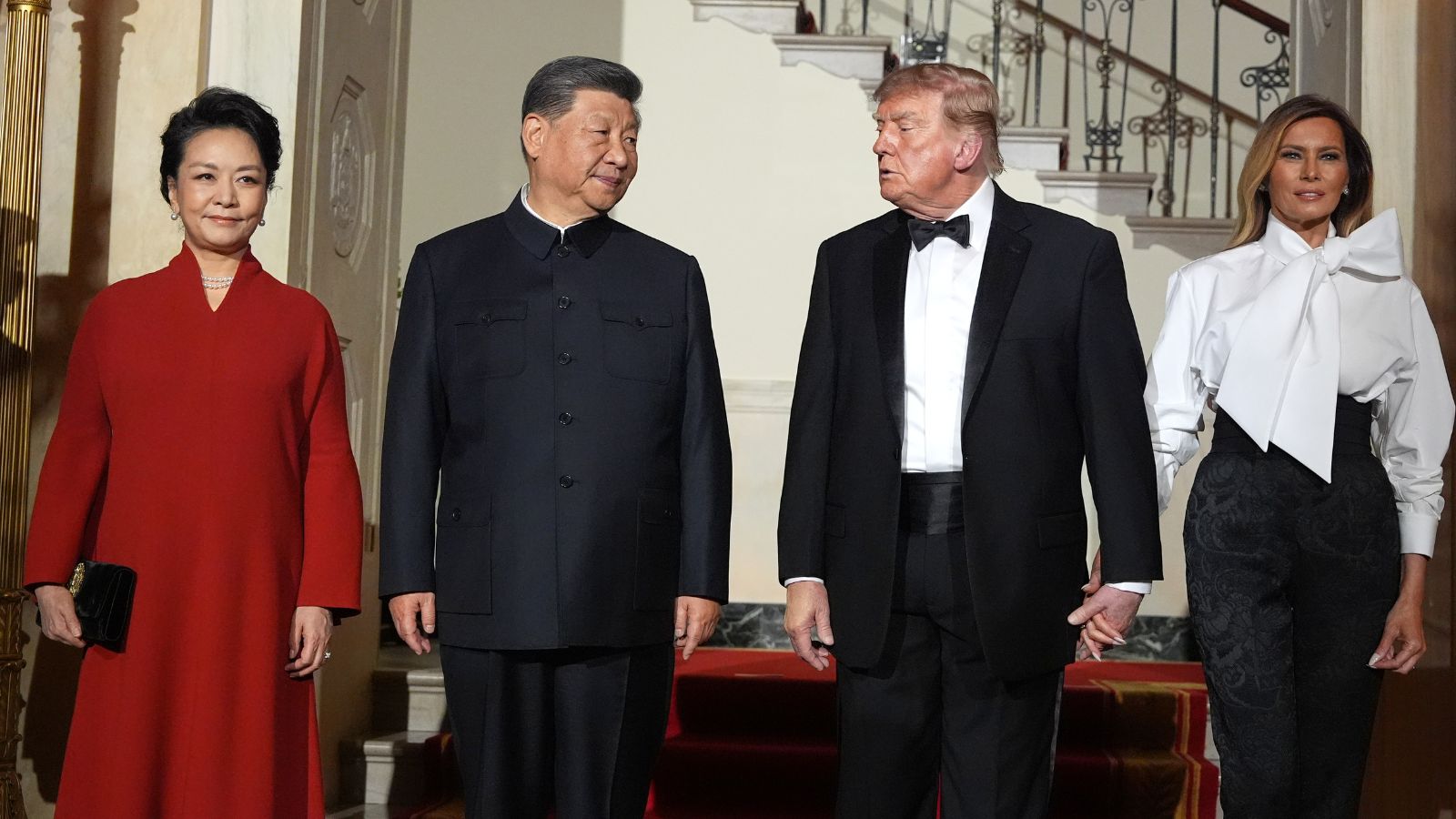
As the world's great powers engage in an artificial intelligence (AI) race, New Delhi's position will depend on the capabilities they develop at home. At the September 23 summit in Washington, AI was considered an area of possible common ground, with AI safety gaining prominence after alarming incidents in American labs and calls to "pace the frontier".
However, the two sides could not agree on terminology, with the White House opting for "super intelligence" over "artificial intelligence". Chinese officials emphasized control over development, urging both countries to "ensure that the development of AI is always under human control".
Xi Jinping sought a collaborative relationship, avoiding a destructive race and competition within limits. Beijing acknowledged competition while viewing it as an opportunity to close the gap. The Chinese government accepted the possibility of competition but stressed cooperation as the mainstay, with competition limited and differences controlled. India faces three primary concerns: G2 overlay, competing standards, and the attraction of China's open-weight models.
Firstly, rules on frontier risk may be influenced by the G2, as both the US and China possess significant AI compute power. This could lead to discriminatory controls on other nations. Secondly, India should confront the issue of two AI systems and two sets of standards. Washington aims to keep its AI ecosystem free from China, while Beijing promotes its agenda through platforms like BRICS. India is unlikely to join China's open-source AI community, WAICO, as it is a unilateral initiative.
Lastly, India must manage its dependence on China's open-weight, open-source models. While they are competitive, cheap, and adaptable, they may pose security risks if incorporated into government systems, critical infrastructure, or sensitive data. To mitigate these risks, India should welcome any US-China steps that reduce risk but insists on multilateral norms in incident-notification arrangements.
Additionally, India should make human control over nuclear-use decisions part of its nuclear discourse and encourage all nuclear powers to affirm this. Lastly, India should apply dual and differentiated de-risking to AI, maintaining Chinese models out of sensitive areas and avoiding over-dependence on American models.
Written by urgent.news from The Indian Express's reporting — not their text. Machine-written — may contain errors; check the original before relying on it.