13,000-year-old butchered bones of long-tusked beast found in Chile give more evidence of early first Americans
Archaeological excavations in the Lake Tagua Tagua basin in central Chile have revealed stone tools and animal bones with cut marks dated to 13,000 years ago.
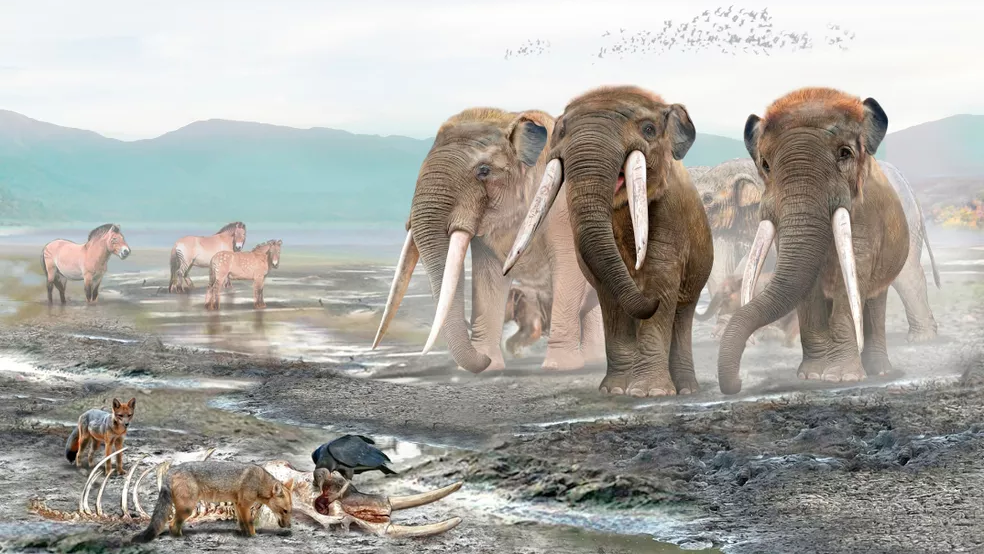
Excavations in Chile have uncovered 13,000-year-old bones of extinct elephant-like animals with human-made cut marks, suggesting early humans hunted and consumed these creatures, according to new research. The bones, found at Lake Tagua Tagua in central Chile, were discovered alongside stone tools, providing evidence of ancient human occupation of the area.
The artifacts and bones date back to approximately 12,000 to 13,000 years ago, indicating that hunter-gatherers frequently visited the ancient lake shore. This discovery supports the existence of early human settlements in southern South America, alongside other Indigenous sites such as Monte Verde in Chile and Huaca Prieta in Peru, which date to around 14,500 and 14,000 years ago respectively.
Archaeological excavations in the basin of the ancient lake revealed a vast concentration of megafauna remains and stone tools, offering crucial insights into the timeline of human arrival in the Americas and their exploitation of the continent's megafauna prior to their extinction.
Written by urgent.news from Live Science's reporting — not their text. Machine-written — may contain errors; check the original before relying on it.